Category: 1992
-

At some point during Innocent Blood–I think it was the lengthy sequence with recently resurrected Robert Loggia wrecking havoc at attorney Don Rickles's house–I realized it was hilarious. The movie moves so fast, director Landis never lets up long enough for a laugh. There's one other really good pause spot a few minutes earlier involving…
-

Memoirs of an Invisible Man is pointless. Most of its problems stem from the film’s lack of focus–in some ways, given Chevy Chase is a stockbroker and leads a life of extreme comfort, it ought to be an examination of eighties yuppies. Only a few years late. Except it’s obvious director Carpenter doesn’t want to…
-

The Bohemian Life is almost a farce. Kaurismäki is doing a version of the La bohème story–though he’s not concerned with it being a modernization as much as filming it in modernity–and his use of symbolism is exaggerated. He’s making sure the viewer knows what he’s doing and why. These moments of exaggeration don’t come…
-

It’s kind of sad “Darkman” didn’t get a series order. Not because it’s good, but because it’s so laughably bad. One can almost hear director Grant telling lead Christopher Bowen to be more British. But this “Darkman” pilot doesn’t exactly seem like a pilot. There are only five characters–Bowen, Larry Drake reprising from the movie…
-
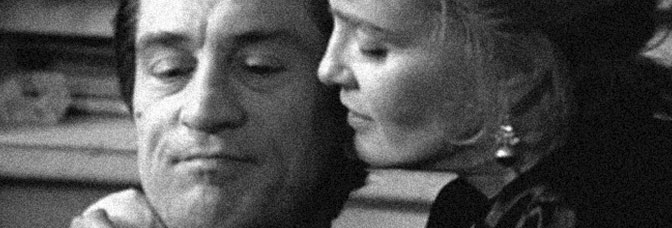
Night and the City ends on a comic note. Given the film deals with struggling and desperation–with no humor–having a funny line for a finish doesn’t just feel wrong, it invalidates all the work Robert De Niro does in the film. It turns his performance into a comedic one, which it had not been until…
-

Basic Instinct somehow manages to be smart and stupid at the same time. The direction and the production are impeccable. Verhoeven sort of does a nouveau Hitchcock thing–ably aided by Jerry Goldsmith’s score–while mixing in a bit of film noir. He does this thing with establishing shots; the focus is always on character, never the…
-

Jennifer Eight ought to be a lot more tolerable, but writer-director Robinson hinges everything on Andy Garcia being likable. Garcia starts out all right, but he can’t sell–or doesn’t even try to sell–his police detective (or crime lab technician, it’s unclear). Garcia becomes obsessed with a case. It’s his first case at a new job,…
-

Batman Returns is one of those films I always hope will end a little differently. Tim Burton gets such wonderful performances out of Michael Keaton and Michelle Pfeiffer, their penultimate scene always has this glimmer of a different outcome. There’s so much energy between the two actors, such rich characters, it’s tragically unfair they don’t…
-

It’s too bad no one burned all the copies of Another Round, as it might save someone from coming across it. The short–which may or may not have started as a terrible pilot episode–takes place in a hip bar, which doesn’t seem to have an actual bar just unlikely tables. The budget, more than Mimi…
-

For the entire issue–which is incredibly fast paced as Alec and Abby try to find a kidnapped Tefé–Scot Eaton’s pencils are fine. There aren’t any amazing panels, but it all flows rather nicely. Until the final reveal, where Eaton goes entirely flat. It’s a full page too. It ends the issue poorly. Otherwise, the issue’s…
-

What does it say about a performance when the actor is better voicing a cartoon than giving a full performance? I think it says the actor’s performance is godawful, but I’m not sure that adjective is strong enough to describe Kim Basinger in Cool World. And Cool World is not a film with good performances,…
-

Even with his silly, slicked back eighties cop hair, Raymond J. Barry is easily the best actor in Rapid Fire. His first appearance is delightful, as it washes away some of the film’s already very bad taste. Rapid Fire is an action movie without any good action. Director Little’s terrible with actors and composition, but…
-

For an innocuous Touchstone family comedy, Captain Ron isn’t bad. Like most Touchstone movies, it lacks any real personality–Daryn Okada’s photography, for example, should be full of lush Caribbean visuals but it isn’t. Part of the blame goes to director Eberhardt, who doesn’t know how to open up his shots, and Okada’s no help. Ron…
-
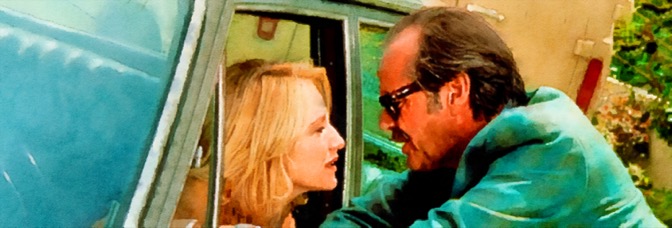
Man Trouble is a strange film, right from the start. It opens with then thirty-year-old Lauren Tom in old age makeup (well, her hair tinted grey). That casting choice–following the animated opening titles–establishes it as an oddity. It’s not a bad film, just a strangely detached one. The protagonist is Ellen Barkin, but since she’s…
-

It’s not hard to identify the problem with White Sands. Daniel Pyne’s script is terrible. His characters often act without motivation and the double and triple crosses he writes into the plot never have any pay-off. It doesn’t help director Donaldson sees himself–and not incorrectly to a point–doing a desert noir in the vein of…
-

Harvey Keitel’s performance in Bad Lieutenant reminds me of a supporting actor in a stage play who keeps fidgeting to get the audience’s attention. I wonder if Keitel passes out copies of the DVD to his neocon buddies these days. I have seen the film before, back when I turned eighteen and went through about…
-
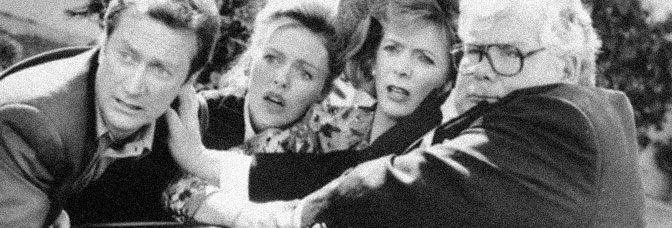
Herman opens Blame It on the Bellboy with his two weakest features—and the film’s full of weaknesses so to start with the worst ones? It’s sort of impressive he set it up to immediately stumble. First, Andreas Katsulas’s mobster. The film takes place in Venice and Katsulas plays the only Venetian. He plays the role…
-
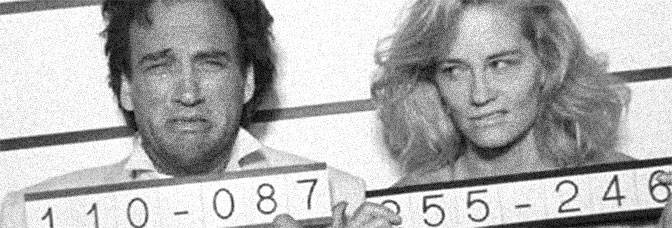
To sum up Levy’s direction, although Once Upon a Crime filmed entirely on location in Europe, the whole thing feels vaguely Canadian. Or, to put it another way, it’s hard to believe anyone footed Jim Belushi’s airfare to Monte Carlo to film this one. But Levy’s only a mediocre director, the casting is the real…
-

Honeymoon in Vegas almost defies description. Bergman drags a sitcom out to ninety minutes. But he also makes his straight man—Nicolas Cage—act like a lunatic. Cage’s performance during the second act features him screaming the end of every sentence. Wait, I forgot about the utterly useless prologue (though it does give the chance for an…
-
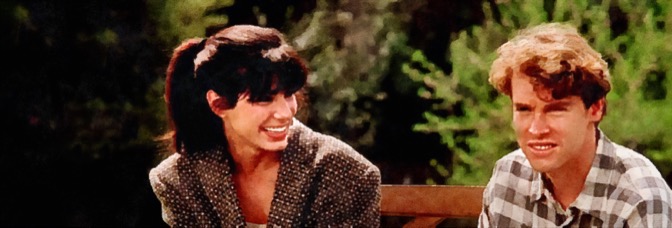
I wonder if there’s not a better version of Love Potion No. 9 out there somewhere. The film only runs ninety minutes and feels anorexic. Launer’s writing–even his narration for Tate Donovan–has these moments of incredible strength. It’s so strong, in fact, it and Donovan make Love Potion a fine diversion. Well, those aspects and…
-
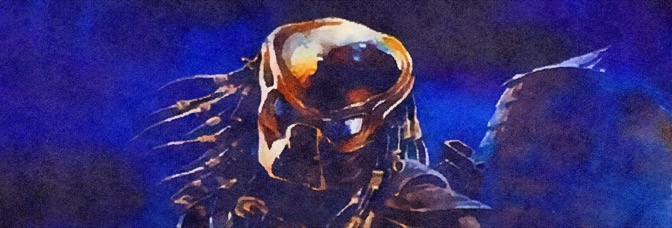
The Predator story continues and its problems become real clear. Stradley’s trying to take a “real” approach to certain elements–gang members, serial killers–and it just comes off as silly with the Predator running around. Raskin’s art suggests he’s unprepared for such a big assignment (and Wiacek seems to have been brought in to correct things…
-
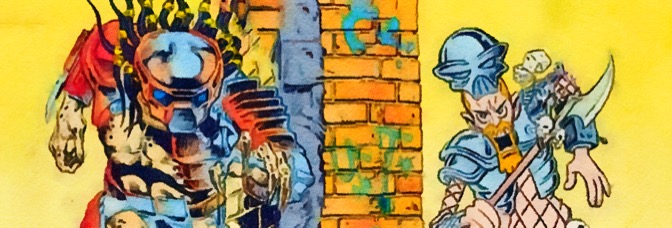
The issue opens with an idiotic story about an annoying character called Zoo-Lou. Hedden and McWeeney usually do great work. The art here’s excellent, but the writing is an absolute nightmare. Dark Horse really loves poking fun at themselves… and usually it comes out awful, like Zoo-Lou. An Accidental Death comes to its conclusion here.…
-

Obviously, the major attraction is the second chapter of An Accidental Death. The pace changes throughout; it opens with the body being hidden, then Brubaker moves to summary, then to scene again. The final scene–the discovery–comes after the two boys (the protagonist and the murderer) start to discover where they really live. Reality, in more…
-

An Accidental Death opens this issue. It’s been a while since I’ve read it. The most immediate thing is Shanower’s art. It’s finished and precise; I’m sure Dark Horse Presents has had artwork as good, I just can’t think of any example. But then there’s Brubaker’s writing–and the way he presents the moral ambiguity of…
-

Seriously, they thought this issue was good enough? The opening is a terrible bit of corporate synergy–a prologue to the Dr. Giggles movie from screenwriter Coto, who’s just as awful writing comics as he is writing movies. It’s a mean, gory eight pages of crap. Though Burrows’s art isn’t bad. Then there’s a Boris the…
-

Well, the Moebius story is pretty but I’m not sure it’s got much in the way of narrative. It’s a fine little diversion–I think it’s my first Moebius short story–but it’s got zero heft. No idea why they opened the issue with it. The Creep gets near its finish with more great art and a…
-
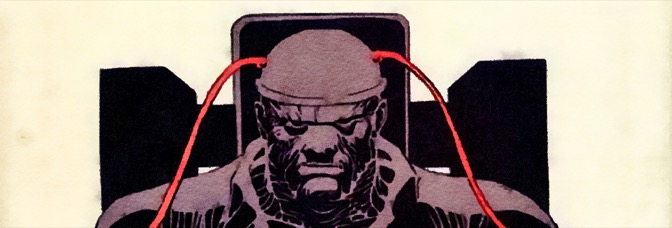
Maybe what Miller needs for Sin City is a full issue. This issue, dedicated to Marv finishing up all the villains–I wonder if Miller intentionally gave his psychotic cannibal a harmless name like Kevin or if there’s some backstory to it–and getting executed, is nearly reasonable. The opening is a disaster, with lots of the…
-

Sin City has gotten useless to the point I’m not even sure I should talk about it. It’s sort of interesting in regards to Miller’s terrible plotting. One might think he’d adapt Chandler or even Hammett, just amping it up, but he doesn’t. He figures out his own “hard boiled” structure and it’s awful. I…
-

Oh, lucky me, Sin City isn’t over yet. Instead, Miller spends most of his pages with one image, a lot of white space and even more terrible narration. I think I hate this entry the most. Not sure if it’s because I’m subjected to more of Miller’s writing or if it’s because I thought I…
-
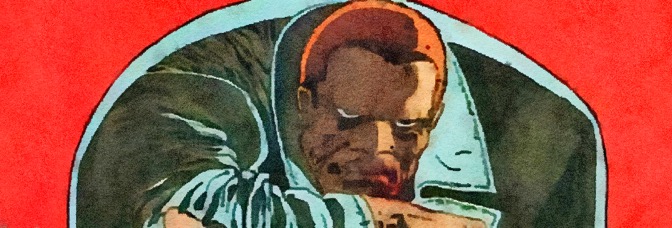
Wow, I really don’t know what’s the best thing in the issue. Geary’s one page entry is a failure. It’s his solid art, but the writing doesn’t work here. It’s just too much forced sentiment. Alien Fire seemingly comes to an end this issue–some very nice space frog art from Vincent–but Smith’s writing is just…
 The Stop Button