Category: ★★½
-

The first hour of A Hole in the Head is slow going. It shouldn’t be slow going, not with everything the film has going for it, but director Capra is real lazy. He’s lazy with his composition, he’s lazy with his actors, he’s lazy with the pace. It’s amazing how the film’s pluses are able…
-
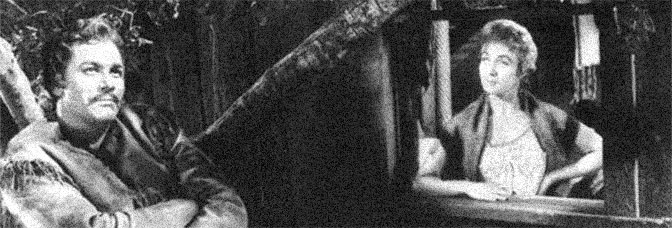
Seven Brides for Seven Brothers is a lot of fun. The songs are always pretty good, with some standouts and the dance numbers are fantastic (ditto the choreographed fight sequences–director Donen and cinematographer George J. Folsey shoot it all beautifully), and the cast is likable. But there’s not much ambition for the film. Based on…
-
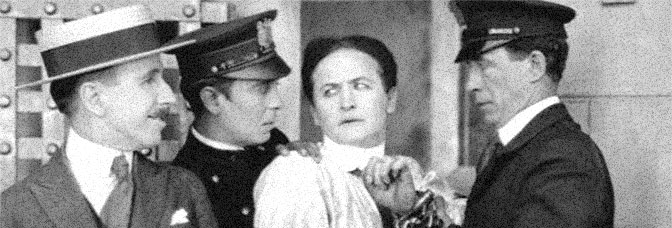
Some of The Grim Game is spent on Harry Houdini’s illusions. The film puts Houdini, playing a reporter, in various tight spots where he has to escape from one thing or another. By the third act of the film, Houdini’s escapes aren’t even the focus–though there is a fantastic mid-air plane sequence. The plot gets…
-
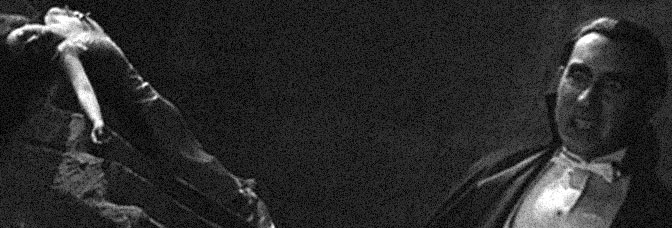
A lot of Drácula’s hundred minute runtime is spent with Eduardo Arozamena talking really slow to José Soriano Viosca and Barry Norton. Arozamena’s Professor Van Helsing (so nice to have such a familiar “brand” you can just talk about the characters and assume some passing familiarity) and Viosca and Norton are the guys who need…
-

Northern Limit Line opens connecting the historical events portrayed in the film directly to the World Cup. Frustratingly, in 2015, I can’t determine whether or not Chol Soon-jo’s source book also has the connection to the World Cup. As literary flourish–and to make the book resonate (it’s also unclear if it’s a novel or book)…
-

New Nightmare should be a little bit better. The film has this fantastic second act and goes into the third strong but director Craven’s resolution is tone deaf. He’s making a movie about movies he was involved with, incredibly popular movies he was involved with, and he sacrifices the actual good work he’d been doing…
-
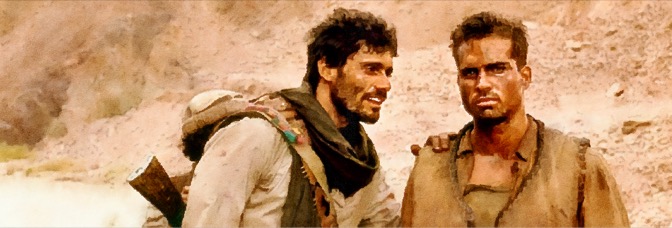
The Beast has a lot going for it, so its failure to connect–which is wholly director Reynolds’s fault–is a bit of a disappointment. The second half of the film has an accelerated pace. While the whole thing takes place over a couple days, the second half is an odd combination of summary and real time.…
-

Predator has a lot going for it. Acting, directing, editing. But not usually all at once. The film opens with a quick introduction–Arnold Schwarzenegger and company are on a special mission in the jungle (after establishing an alien space ship in the first shot). It feels very macho and very forced, but the editing is…
-
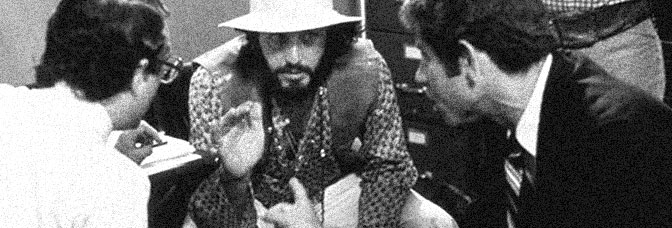
There’s a strange disconnect between director Lumet and actor Al Pacino on Serpico. The film, at least in how Pacino plays it, is a character study. Yes, it’s a character study of someone in a great deal of transition–Pacino’s cop, over twelve rather poorly paced years, goes from idealism to resignation at the corruption he…
-

Director Dunham’s thesis for Spirit of the Marathon is a little iffy. He clearly wants to show the differences and similarities between marathon runners–Dunham and the rest of the crew have zero presence in the documentary, which is fine (eventually). He goes from the people doing it for fun, to people doing it for personal…
-

Some time after the halfway point in The Kid, it becomes clear the film isn’t going to end badly for its leads. Charlie Chaplin is the tramp, Jackie Coogan is his ward (a tramp in training). Chaplin, as a director, is fairly restrictive. Most of the action takes place on a few streets, primarily outside…
-

For a film called Tarzan and His Mate, Johnny Weissmuller’s Tarzan doesn’t get much to do. He spends the film rescuing Maureen O’Sullivan (which is one of the more frustrating aspects of the film–she doesn’t exhibit any jungle survival skills until the finale) from a variety of animals. These sequences are often exciting, especially since…
-

The Passenger is an odd mix of existential crisis and globe-trotting thriller. Director Antonioni does far better with the former than the latter, which has Jenny Runacre trying to discover what happened to husband Jack Nicholson. What happened to Nicholson is he assumes a dead man’s identity for no particular purpose in the film’s otherworldly…
-

Director Peirce makes an interesting choice with Boys Don’t Cry–she never gives the viewer enough information about Hilary Swank’s protagonist. As a result, it’s occasionally difficult to think of Swank as the protagonist. For the first eighty or so minutes of the film, Swank is just this skinny little guy who falls in with a…
-

Not quite halfway through The Parallax View, the film loses its footing. Director Pakula keeps the audience a good three car lengths from not just the action of the film–with long shots in Panavision–but also understanding the action of the film. Parallax even goes so far to introduce protagonist Warren Beatty with a proverbial wink.…
-
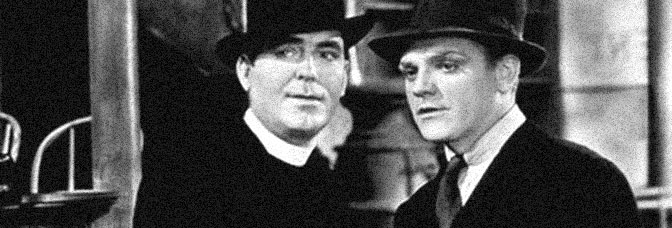
Angels with Dirty Faces runs less than ninety minutes, but doesn’t really fill them. The first fifteen minutes of the film are flashbacks, tracking James Cagney’s character from troubled boyhood to juvenile detention to prison. Once the present action starts, Cagney immediately reunites with Pat O’Brien’s now priest, former similarly troubled youth. But Angels doesn’t…
-
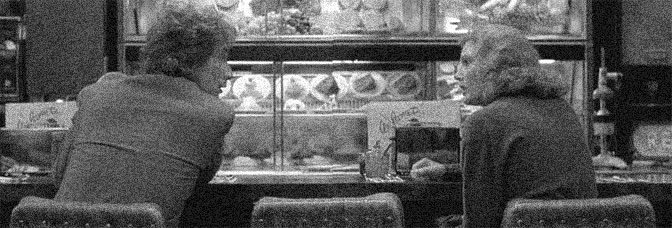
Cross My Heart has a significant problem right off. Its gimmick work against the film. The opening scenes establish Annette O’Toole and Martin Short’s leads as they prepare for a date. Each has the help of a second (for exposition’s sake, though it doesn’t make the exposition particularly natural); both actors are appealing, both characters…
-

Song of the Thin Man has a lot of strong sequences and the many screenwriters sting them together well enough, but can’t figure out a pay-off. Some of the problem seems to be the brevity–while director Buzzell does an adequate job and Charles Rosher’s cinematography is good, none of the scenes end up having much…
-

With Predestination, the Spierig Brothers take the narrative gimmick to the nth degree. It’s not just a real part of the story, it’s the story. Unlike most films where there’s some satisfaction for the viewer in discovering the gimmick, the Spierigs figure out a way to just push the viewer further down the rabbit hole.…
-

Bruce Campbell carries Army of Darkness. Not because there’s anything wrong with the movie–well, not so wrong it needs carrying–but because he’s got such a difficult role. His protagonist has to be sympathetic and stupid, a hero and a jerk. The audience can never stop to wonder if they should be rooting for Campbell, even…
-
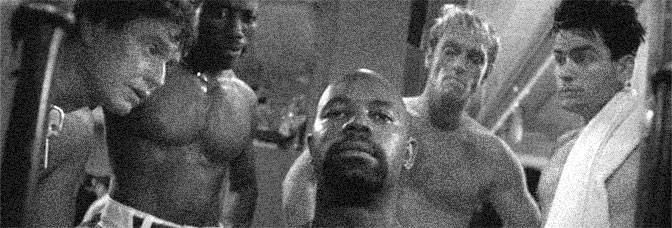
There’s so much strong acting in Major League and director Ward’s script has such likable characters (and such a hiss-worthy villain in team owner Margaret Whitton), the film moves on momentum alone for quite a while. It’s only in the third act, when Ward throws in an unnecessary plot twist to ratchet up tension. He…
-

It’s hard to imagine a more supreme melodrama than Random Harvest. Almost the entire first hour (of two and a nickel), the film chronicles the blissful romance of Greer Garson and Ronald Colman. He’s an amnesiac World War I veteran, she’s on the stage–a combination of song and comedy–and she’s his savior. They live in…
-

My Cousin Vinny succeeds due to a strange combination of Dale Launer’s script and the charm of the cast. It’s a strange combination because director Lynn seems entirely inept at facilitating it–all of Lynn’s directorial flourishes flop (for a while, he tilts the camera for emphasis and then forgets about it) and the rest of…
-

The Devil’s Backbone takes place at an orphanage during the Spanish Civil War (in Spain, obviously). The film follows Fernando Tielve as he arrives and has conflicts with the other boys, before everything gets worked out. For about half the film, one of the other boys, Íñigo Garcés, is the antagonist. But everything with the…
-

Without Orders has enough story for a couple movies or at least one twice as long–it runs just over an hour. Instead, everything gets abbreviated. There's flight attendant Sally Eilers who has a sturdy fellow in pilot Robert Armstrong, but he's too concerned about helping her with her career and not enough with sweeping her…
-

About halfway through Bill & Ted’s Excellent Adventure, the film becomes truly excellent. Dimwitted metal heads Alex Winter and Keanu Reeves have successfully brought historical figures to the present and loosed them on the modern world–the mall. That sequence of the film, along with Terry Camilleri’s Napoleon at a water park, is when the film…
-

Starman’s first forty or so minutes speed by–director Carpenter gets as much information across as quickly as he can to discourage the viewer from paying too much attention. There aren’t exactly plot holes, but there’s a lot of silliness in the script. For example, Charles Martin Smith–who’s perfectly good in the film–has an entirely pointless…
-

The Suspect isn’t just another action thriller where the director never lets up the pace; it’s also one where the filmmakers constantly force the viewer into one emotional response–a negative one–before relieving the tension a little and creating a hopefulness, then repeating an even more negative situation. It’s expertly manipulative and director Won seems to…
-

The Fly starts with perfect economy. Director Cronenberg does not waste time with introductions or establishing shots–whenever there’s an exterior shot in the film, it comes as surprise, even after Cronenberg opens it up a little. There’s Jeff Goldblum, he’s a scientist, and there’s Geena Davis. She’s a reporter. The film conveys this expository information…
-

Given its ninety minute length and having Jane Fonda perform the comically explicit narration, it might be easy to dismiss–or just describe–Better Living Through Chemistry as a genial amusement. Certainly lead Sam Rockwell can do this role in his sleep. He's a small town pharmacist in a bad marriage (Michelle Monaghan is great as the…
 The Stop Button