• The Auteur 5 (July 2014)

    The Auteur #5I don’t know why Spears can get away with the end of The Auteur. I don’t want to think about it too hard either, just because the last issue of this arc (or the series, it’s unclear) is so entertaining and sincerely presented.

    Some of the success is because Callahan’s art is so good. He doesn’t even have particularly fantastic subjects to illustrate; the biggest set piece is a gross out scene with a drug’s side effects being harmless bleeding from the skin. It’s a really funny scene. Not laugh out loud, but funny.

    Spears’s sincerity in the issue is the craziest part. Not the gross out stuff, not the one liners. At first, his mention of the protagonist’s love of film seemed like a last minute addition, but Spears really just goes with it. Every chance he can to commit to insane earnestness, he does.

    It’s a great finish.

    CREDITS

    Presidents Day, Part 5 of 5: Show Don’t Tell; writer and letterer, Rick Spears; artist, James Callahan; colorist, Luigi Anderson; editor, Charlie Chu; publisher, Oni Press.

  • She-Hulk 6 (September 2014)

    She-Hulk #6I really hope Wimberly isn’t staying. He’s got a peculiar style and I gave it some slack last issue because it was different. This issue he’s doing superhero action and a lot of dialogue humor and it flops. Over and over, it flops.

    He does draw She-Hulk as more of a monster than a cover girl, which is interesting, I suppose, but Soule is still writing it for the wink and the smile. The two elements aren’t moving together.

    There’s also the way Soule shuts everything down in the issue after going out of his way to get the reader interested. It’s manipulative and pointlessly so. Whatever happens next is misdirection so why not just get to the meat and potatoes of a monkey with life-giving (literally, it seems) spit.

    The issue reads fairly well, but Soule definitely forces the ending. Actually, the entire second half is forced.

    B- 

    CREDITS

    Blue, Part Two; writer, Charles Soule; artist, Ron Wimberley; letterer, Clayton Cowles; editors, Frankie Johnson and Jeanine Schaefer; publisher, Marvel Comics.

  • The Fury of Firestorm, The Nuclear Man #10The issue opens with the Hyena hunting a bunny rabbit; Broderick and Rodriguez do a great job on the bunny rabbit, but it looks like there are some problems with the Hyena. So the issue starts right off with some questionable art and then it just gets worse.

    Broderick does fine with the action scenes, does fine with all his composition but he and Rodriguez’s detail on the regular folks this issue is terrible. And the Hyena is a problem throughout; it’s too slick to be convincing as a giant were-hyena. Not enough fur detail, I guess.

    There’s also way too much detail on teenage Doreen’s sheer nightie. It’s a weird choice; someone should have caught it.

    Otherwise, the issue’s fine. Not Conway’s finest hour–the Hyena’s backstory is too convoluted and tied Peter Parker style to Ronnie’s civilian life–but he’s still got some nice character moments and Firestorm action throughout.

    B 

    CREDITS

    Prowl; writer and editor, Gerry Conway; penciller, Pat Broderick; inker, Rodin Rodriguez; colorist, Gene D’Angelo; letterer, Adam Kubert; publisher, DC Comics.

  • Groo vs. Conan 1 (July 2014)

    Groo vs. Conan #1Groo vs. Conan. Even the title takes a moment to digest.

    Sergio Aragonés and Mark Evanier fully embrace the absurdity of it, including the middle part of the comic–the majority of the comic, in terms of pages–being the two men walking around talking about doing such a crossover and how crazy it would be.

    So why do it? Well, in the comic, Aragonés gets bumped on the head and thinks it’s a great idea.

    As for the actual Conan and Groo scenes, the issue is mostly setup. Groo gets confused about who he’s supposed to battle and why and his concerned potential victims head to find Conan to save them. Tom Yeates draws the Conan pages. He does a fantastic job. Aragonés does fine with the Groo stuff and the “real world” stuff, but Yeates doing fantasy is treat as always.

    The issue’s amusing without being particularly successful.

    B- 

    CREDITS

    Writers, Sergio Aragonés and Mark Evanier; artists, Aragonés and Thomas Yeates; colorist, Tom Luth; letterer, Richard Starkings; editors, Dave Land, Katie Moody and Patrick Thorpe; publisher, Dark Horse Comics.

  • The Punisher 5 (December 2001)

    The Punisher #5Good grief–Ennis end the comic with a big Dubya is an alcoholic moron joke right before 9/11. Did they change the reveal for the trade?

    It’s a dumb joke too. Instead of giving the Punisher an actual enemy, it gives Ennis a scene. He has lots of scenes this issue, some better than others, some pointless like this one. The big finale with the Russian is sort of pointless because there’s a predetermined finish to it.

    Or maybe Ennis is keeping the Russian around even longer, because it’s easier for him to do absurdist humor than to write the comic.

    There are a couple okay moments in the issue, like when the Punisher stands off against the big villain. The villain’s a mercenary general who has a long speech. Ennis goes for a cheap finish.

    It’s a tired finish but it works okay… just like the comic itself.

    B- 

    CREDITS

    No Limits; writer, Garth Ennis; penciller, Steve Dillon; inker, Jimmy Palmiotti; colorist, Chris Sotomayor; letterers, Richard Starkings and Saida Temofonte; editors, Kelly Lamy, Nanci Dakesian and Stuart Moore; publisher, Marvel Comics.

  • Ms. Marvel 6 (September 2014)

    Ms. Marvel #6New artist Jacob Wyatt comes in just in time for Wilson to find–or find again–Ms. Marvel’s awesome.

    Wilson doesn’t appear to be changing anything to right the series’s course, she’s just explaining the things needing explaining and bringing back the unpredictability of the comic. Having unpredictable events in Kamala’s superhero life means having Wolverine guest star, which isn’t a big deal. Unpredictable events in superhero stories are the norm.

    But unpredictable events in Kamala’s regular life–and there’s a big one this issue—are really cool and they ground the comic. It needs some grounding given the oddness of the powers, though Wyatt’s art helps with that aspect too.

    Wilson also balances the superhero and regular better here. There’s a commercial factor to Ms. Marvel and it needs embracing, not avoiding.

    Also–the villain. Wilson redeems him with a combination of logic and humor.

    It’s great comics.

    A 

    CREDITS

    Healing Factor; writer, G. Willow Wilson; artist, Jacob Wyatt; colorist, Ian Henning; letterer, Joe Caramagna; editors, Devin Lewis and Sana Amanat; publisher, Marvel Comics.

  • The Fury of Firestorm, The Nuclear Man #9I wonder if Conway was playing with the idea of doing an anti-climatic story. Both Firestorm and Ronnie have muted outcomes to big events–Firestorm’s rematch with Typhoon and then Ronnie’s first fight with his classmate antagonist, Cliff. Neither have much visual payoff. The Typhoon fight does get a big lead-in with a flooding New York City, however.

    It also feels a little like Conway is trying to adjust the course of the comic. He’s bringing Ronnie’s friends in more while giving Professor Stein a traumatic subplot (losing his job, falling off the wagon). Things are changing in the comic.

    Moore does an adequate job on the pencils. He’s better with the high school stuff and Professor Stein’s work drama than with the superhero action this issue. It’s his detail on his figures–Firestorm and Typhoon look too rounded and short. The scenery’s good.

    It’s odd, but fine.

    B 

    CREDITS

    Baby, the Rain Must Fall!; writer and editor, Gerry Conway; penciller, Jerome Moore; inker, Rodin Rodriguez; colorist, Tom Ziuko; letterer, Adam Kubert; publisher, DC Comics.

  • Ragnarök 1 (July 2014)

    Ragnarok #1Someone, either at IDW or Walt Simonson himself, is doing everyone the great disservice of suggesting Ragnarök is some kind of Thor rip-off IDW is doing just because the character is a Norse god and in the public domain.

    It isn’t. It’s some barbarian comic where a blue snow witch or some such thing sees armageddon approaching and takes one last job as an elite assassin to save her kid. While her husband stays at home to watch the daughter. And I didn’t even like the comic while Simonson was going through these scenes. It was okay, but I kept waiting for the dumb Thor reference.

    It never came. Instead, the comic got increasingly more distinct and good. Simonson doesn’t write his protagonist particularly well on her own, but amongst the mercenaries she eventually hires? Those scenes are where the comic comes to life.

    Unfortunately, the cliffhanger’s lame.

    But still….

    B- 

    CREDITS

    Writer and artist, Walt Simonson; colorist, Laura Martin; letterer, John Workman; editor, Scott Dunbier; publisher, IDW Publishing.

  • I'll Follow You Down (2013, Richie Mehta)

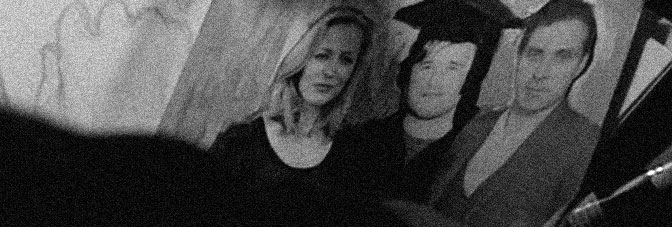
    There are a handful of easily fixable problems with I’ll Follow You Down. Director Mehta shoots it in Panavision aspect ratio and doesn’t know what to do with all the width. Combined with Tico Poulakakis’s lens flare happy cinematography, Follow looks like a glossy television commercial. There’s never a sense of time or place, which is a big problem considering it’s about time and place.

    Mehta isn’t great with directing actors either, but most of the cast can work through it. Gillian Anderson, for example, gives a breathtaking small performance. Mehta gives the cast a lot of room–it’s kind of a sci-fi story, but one where the human aspects are far more important (not to mention cheaper to shoot). So the film’s a showcase for Anderson.

    Victor Garber also does really well and he’s got some of the hardest scenes in the film.

    In the lead, Haley Joel Osment is decent. He’s occasionally really good, but he also has some too pat moments. He’s just not dramatic enough; like I said, Mehta isn’t great with actors. Rufus Sewell has the exact same problems so it’s clearly not the actors.

    The only weak performance is Susanna Fournier as Osment’s girlfriend. She has the second hardest part after Garber and she can’t sell the scenes like he can.

    Mehta has some iffy dialogue and a lot of missed opportunities, which might be budgetary, might not be budgetary.

    But Follow has two great performances and two often good ones. It’s a conditional success.

    2/4★★

    CREDITS

    Written and directed by Richie Mehta; director of photography, Tico Poulakakis; edited by Stuart A. McIntyre; music by Andrew Lockington; production designer, Chris Crane; produced by Lee Kim; released by eOne Films.

    Starring Haley Joel Osment (Erol), Gillian Anderson (Marika), Rufus Sewell (Gabe), John Paul Ruttan (Young Erol), Susanna Fournier (Grace), Sherry Miller (Mrs. Moore) and Victor Garber (Sal).


    RELATED

  • The Punisher 4 (October 2001)

    The Punisher #4Ennis has lost track of any real person–by real person, I mean the bartender from the first couple issues or maybe one of Soap’s cop antagonists–and he’s back to having a jolly old time. Lots and lots of pop culture references. Some day you’ll need footnotes to understand all the references and then further footnotes to explain why they’re funny.

    Oh, Sixth Sense plot twist jokes. Let me wipe the tear from my eye.

    Still, Ennis is taking Frank a little more serious this issue. He’s the protagonist for his scenes in the issue, not the subject, not the butt of wry jokes. And Ennis does give him some vaguely interesting things to do. Not inventive so much, but diverting.

    The problem is the lack of content and the villain. The villain is lame and boring, which even Ennis seems to accept.

    Dillon does well on the art.

    B- 

    CREDITS

    Dirty Work; writer, Garth Ennis; penciller, Steve Dillon; inker, Jimmy Palmiotti; colorist, Chris Sotomayor; letterers, Richard Starkings and Wes Abbott; editors, Kelly Lamy, Nanci Dakesian and Stuart Moore; publisher, Marvel Comics.

  • Wildfire 2 (July 2014)

    Wildfire #2The second issue of Wildfire ties back to the beginning of the first issue–Los Angeles aflame. This issue explains more about how it happens, with Hawkins even taking the time to cut to the fire starting. He doesn’t really need to make the cut–he spends the rest of the issue establishing the characters, including newscasters who could cover it.

    And everyone sees the fire pretty quick, it does spread like, well, wildfire.

    Hawkins’s ability to get all the science while still moving his characters forward, not to mention rapidly accelerating the crisis, is what makes Wildfire so good. It never reads too fast, even though Hawkins moves fast through the events. Again, there’s a lot of science, which might cause a natural slowdown.

    The only problem is Sejic’s computer art. She has this style of a cartoonish–if detailed–character against a glossy, computer generated background. It frequently distracts from the story.

    B+ 

    CREDITS

    Writer, Matt Hawkins; artist, Linda Sejic; letterer, Troy Peteri; editor, Betsy Gonia; publisher, Top Cow Productions.

  • Manifest Destiny (2013) #8

    Manifest Destiny  8

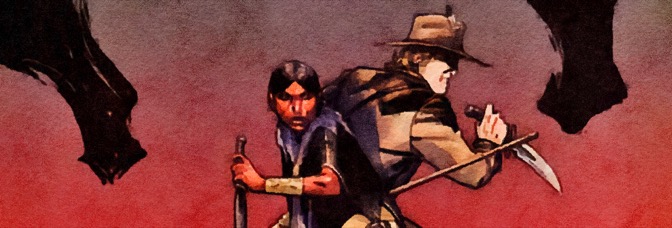
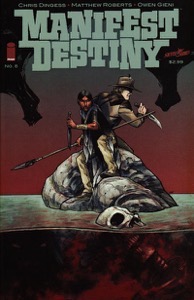
    The problem with Manifest Destiny is too little going on in the action issues. This issue takes place over at least two days, but the way Dingess breaks out the scenes–basically two big sections of little scenes run together and then the action sequences–it just feels too fast.

    Some of the problem might be Roberts’s efficiency with visualizing the scenes. There are a few times the fast pace is because the art flows so seamlessly between panels. Destiny is almost too competent at this point; Dingess knows what Roberts can handle and does try to task him with more ambitious sequences. Simultaneously, Dingess isn’t trying to do anything more with the plotting.

    This issue has zero character development–unless resentment over Sacagawea counts–even though Dingess splits the cast into more manageable groups.

    It almost seems like Dingess is treading water because he doesn’t know where he’s going to take the story.

  • The Fury of Firestorm, The Nuclear Man #8Jerome Moore fills in on the pencils this issue; Conway gives him a lot to do. There’s the superhero stuff, which is mostly filler at the beginning–with a big action set piece, sort of unimaginably big, at the end. Moore handles it well. He also handles to high school drama pretty well too, though he does draw the characters a tad too old.

    And the character stuff with Ronnie and Martin is good too. They’re experimenting with Firestorm to figure out their power source and capabilities. It’s very logic plot progression from Conway. And the high school drama isn’t bad either. He gives Ronnie more relationship drama, which should seem contrived but doesn’t because Conway’s finally moving the relationship forward instead of keeping it in static tension.

    The big finish is just phenomenal superhero action. Firestorm versus Typhoon, a giant water tragic villain (Conway even makes time for his backstory).

    B+ 

    CREDITS

    Typhoon Warning; writer and editor, Gerry Conway; penciller, Jerome Moore; inker, Rodin Rodriguez; colorist, Gene D’Angelo; letterer, Adam Kubert; publisher, DC Comics.

  • The Punisher 3 (September 2001)

    The Punisher #3It’s the Punisher on an island of dumb mercenaries. Or the next issue will be–and Ennis even goes so far as to promise it’ll be a good one for the soft cliffhanger. Actually, this issue is mostly exposition.

    There’s exposition at the beginning while Frank hangs some corrupt cop off a roof for information, then it’s Frank narrated exposition about Mr. Big, then it’s Frank’s pilot with a bunch of exposition; all the action comes at the end on the island.

    The strange part about the comic is how engaged Ennis gets with the material. There are a few times where he almost seems like he wants to be serious. Then he remembers he can’t be too serious, but the intention is definitely present.

    The result is a mediocre comic in a lot of ways, but also the best issue of this Punisher series so far. Ennis’s finally interested.

    B 

    CREDITS

    American Ugly; writer, Garth Ennis; penciller, Steve Dillon; inker, Jimmy Palmiotti; colorist, Chris Sotomayor; letterers, Richard Starkings and Wes Abbott; editors, Kelly Lamy, Nanci Dakesian and Stuart Moore; publisher, Marvel Comics.

  • Black Market 1 (July 2014)

    Black Market #1I’m not sure if I’d say Black Market has a charm to it. Writer Frank J. Barbiere does have a big twist at the end, but he’s telling the story in two time periods a few months apart. Having a good twist and being able to do something with it for the rest of the series are two different things.

    Here, he has his main character getting into the illegal superhero DNA trade; he shows the character before and after this life of crime. If it weren’t for Victor Santos’s art, it wouldn’t work at all. Santos is the one who makes the protagonist–Ray–sympathetic. Barbiere just gives him a sob story and a manipulative older brother. It’s Santos who makes the guy’s world seem real.

    Because of the two timelines, the pacing is awkward; Barbiere doesn’t balance things well. But that end twist and Santos make it worth a look.

    B- 

    CREDITS

    Writer, Frank J. Barbiere; artist, Victor Santos; colorist, Adam Metcalfe; letterer, Ed Dukeshire; editors, Chris Rosa and Eric Harburn; publisher, Boom! Studios.

  • The Fury of Firestorm, The Nuclear Man #7For his debut as writer and editor, Conway turns in the weakest Firestorm script to date. Worse, Broderick and Rodriguez are really off with the art too. There’s a lot with Ronnie and his father being held hostage–the issue’s way too contrived as far as plotting–and Broderick flops on drawing regular people here.

    Except Professor Stein. He’s trying to sneak into the building to turn out the lights so they can turn into Firestorm without it being videotaped for the news. His story is actually rather good and Broderick’s art on his panic and determination is ambitious stuff.

    The villains are lame too. Québécois terrorists. One guy terrorist totally covered up, one girl terrorist scantily clad. Silly stuff, very silly.

    Maybe if Conway split the story across two issues… and better thought out the villains. But he also rushes the scenes between Ronnie and his father.

    It’s unfortunate.

    B- 

    CREDITS

    Plastique Is Another Word for Fear!; writer and editor, Gerry Conway; penciller, Pat Broderick; inker, Rodin Rodriguez; colorist, Gene D’Angelo; letterer, Adam Kubert; publisher, DC Comics.

  • The Wicked + The Divine 2 (July 2014)

    The Wicked + The Divine #2The last few pages are mostly text. It’s decent text, so Gillen can kind of get away with the hard cliffhanger and not actually have to do much. He doesn’t really do much in this issue all together, except write really good characters. He has his protagonist discovering the whole returned god thing as she goes along, which is great since the reader’s doing the same thing. It’s not heavy lifting.

    But the concept is sort of heavy lifting and not because of the returned god thing, but because of the history. For whatever reason, giving Wicked a backstory makes the whole series seem deeper than it may actually turn out to measure.

    Gillen also knows how to best utilize McKelvie; he does a phenomenal job this issue. Even with the slight illustrations on the text pages. Well, most of them.

    It’s a good comic. Not earth shattering, just good.

    B 

    CREDITS

    Writer, Kieron Gillen; artist, Jamie McKelvie; colorist, Matthew Wilson; letterer, Clayton Cowles; editor, Chrissy Williams; publisher, Image Comics.

  • The Great Escape (1963, John Sturges)

    While The Great Escape runs nearly three hours, director Sturges and screenwriters James Clavell and W.R. Burnett never let it feel too long. Part of the quick pace comes from the first half hour being told in something like real time and another big part of it is the aftermath of the escape taking up the last hour. So for ninety minutes, the audience is getting to know and like the characters. It gives the escape aftermath a breakneck pace, even though Sturges doesn't do much different.

    The Elmer Bernstein score also plays a large part. It's frequently upbeat and congratulatory to the characters (and sometimes the audience), but Bernstein also bakes in the possibility of tragedy. The music can go from light to dark in a second and the film trains the audience to prepare for such moves.

    Also contributing to the film's relative brevity is how the script pairs characters up. Usually it's a strong personage with a weaker one, but the actors do such a good job–and Sturges often sticks with scenes of characters' frailties until they're uncomfortable–the pairings are never hollow. Even Steve McQueen, who gets a huge solo set piece at the end, starts off with a sidekick or two.

    Most of the acting is spectacular. Richard Attenborough might give the best performance; him or James Donald. They both have the most responsibility and it clearly weighs on them. But James Garner, McQueen, Donald Pleasence, Gordon Jackson, Hannes Messemer–also all excellent.

    It's an outstanding picture.

  • The Getaway (1972, Sam Peckinpah)

    From the lengthy opening credits to the big action finale, it's always clear sound is important in The Getaway. Editor Robert L. Wolfe does some wonderful transitions with sound foreshadowing the cut and the next scene, but there's something more to it. That something more is the isolation theme running through the film–Steve McQueen starts in prison, surrounded by these loud, garish, yet hollow sounds. The action finale, at a nearly deserted hotel, also has loud, hollow sounds. They amplify Peckinpah's composition–particularly for the finish–and reinforce the film's dreamlike quality.

    The Getaway is a few things at once. It's a heist picture, it's a revenge picture, it's a seventies relationship drama. That relationship aspect to it, with recently released from prison McQueen and wife Ali McGraw having some big problems, is the film's quietest plot line… if only because there's so much noise around it. But Peckinpah, McQueen, McGraw and screenwriter Walter Hill always keep it present. McGraw's timid, nervous performance works wonders–she's apparently inscrutable, but not really.

    She and McQueen have fantastic chemistry, which they need to give their story more gravitas than Al Lettieri's subplot. Lettieri is a opportunist thief who kidnaps Sally Struthers and Jack Dodson in his pursuit of McQueen. Lettieri runs away with a bunch of the film. He's spellbinding; no other word for it. Struthers is rather good as well.

    Technically, the film's a marvel. The Lucien Ballard photography is phenomenal, day or night, action or drama.

    The Getaway is a fantastic motion picture.

    4/4★★★★

    CREDITS

    Directed by Sam Peckinpah; screenplay by Walter Hill, based on the novel by Jim Thompson; director of photography, Lucien Ballard; edited by Robert L. Wolfe; music by Quincy Jones; produced by David Foster and Mitchell Brower; released by National General Pictures.

    Starring Steve McQueen (Doc McCoy), Ali MacGraw (Carol McCoy), Ben Johnson (Jack Beynon), Al Lettieri (Rudy Butler), Slim Pickens (Cowboy), Richard Bright (The Thief), Jack Dodson (Harold Clinton), Dub Taylor (Laughlin), Bo Hopkins (Frank Jackson), Roy Jenson (Cully), John Bryson (The Accountant) and Sally Struthers (Fran Clinton).


    RELATED

  • Jaws 2 (1978, Jeannot Szwarc)

    There's definitely a good movie somewhere in Jaws 2; maybe just one without so much shark. Sadly, most of its narrative problems seem obvious to fix. For example, if the shark isn't confirmed and Roy Scheider might just be suffering post-traumatic stress… maybe they didn't want to go dark.

    Instead, the filmmakers go bright, shiny and stupid. Director Szwarc doesn't do particularly well with his actors–for some reason Scheider is frequently staring into the camera and past whoever he's sharing the scene with–but most of his composition is fantastic. And Michael C. Butler's photography is gorgeous. Jaws 2 definitely looks good. It sounds good too–John Williams's score is great, the sound design on the film is great.

    It's just really dumb.

    The film slaps Scheider's story of bickering with town officials in front of this “teens in danger” movie. The stuff with the teens doesn't get enough time once they're in actual danger (and too much time before that part of the film), but there are some sublime moments.

    No one in the film is particularly bad, except Donna Wilkes, and there are some acting stand-outs. David Elliot, Keith Gordon, Ann Dusenberry, Mark Gruner–all good performances. Lorraine Gary gets a few good moments as Scheider's wife, though not enough. There's a strange subtext about her having a career being a big problem–she's even wearing pants right before Scheider gets in trouble at work.

    It's long, it's bad, it's pretty. The technical pluses oddly outweigh all the other minuses. Kind of.

  • The Punisher 2 (August 2001)

    The Punisher #2More funny stuff from Ennis. He’s got some cheap jokes but he sure does thoughtfully arrange them. He’s even for a bunch of Marvel puns in the comic–referencing Giant-Size Man-Thing and Marvel Team-Up, though he could have gone further with the pun about the latter.

    But the comic itself? The Punisher and the new, improved Russian duking it out on the Empire State Building. Spider-Man shows up. Foreshadowing. There’s not much else to it. It’s an amusing read; if Ennis had any good observations about Marvel comics, it’d be better, but it’s amusing enough.

    The many misadventures of Martin Soap continues as well. Ennis doesn’t try hard with Soap either. He doesn’t have to try hard.

    The Spider-Man cameo is sort of wasted and it doesn’t help Dillon can’t draw the costumed figure well.

    But it’s fine. Painfully unambitious and disinterested and totally fine.

    B- 

    CREDITS

    Does Whatever a Spider Can; writer, Garth Ennis; penciller, Steve Dillon; inker, Jimmy Palmiotti; colorist, Chris Sotomayor; letterers, Richard Starkings and Wes Abbott; editors, Kelly Lamy, Nanci Dakesian and Stuart Moore; publisher, Marvel Comics.

  • At War with the Army (1950, Hal Walker)

    I wonder what At War with the Army would be like if it were funny. I also wonder what it would be like if director Walker could figure out how to open up a scene. Sure, the whole thing is shot on limited exteriors and then the same interiors–it takes place on an army base–but Walker just goes through the same shots over and over again. Worse, there are musical numbers and Walker is even more inept at their staging. The first one, in the mess hall, is a no brainer but Walker flops with it.

    Paul Weatherwax's editing is solid and it hints at how the scene could have been a whole lot better.

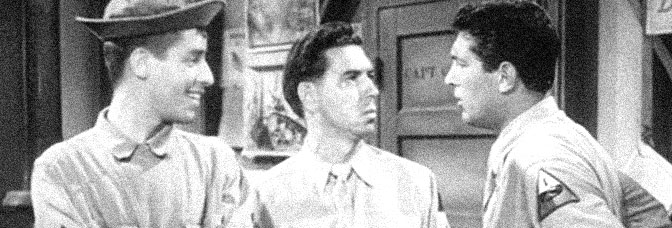
    The script is the next problem. Even though the script is from the film's producer, Fred F. Finklehoffe, it plays like he doesn't understand the difference between a movie and a stage play. The long scenes, full of repeated character gags and annoying contrivances, drag. It's curious to see fast-talking Mike Kellin and Jerry Lewis plow through their lengthy dialogue deliveries to fill time.

    The script sets up Lewis, Dean Martin and Tommy Farrell as the most likable characters in the film, but mostly because no one else is at all endearing. With Lewis, there's the oddity of him being sympathetic because lead Martin is gently nasty to him. But it's not enough to make Army worthwhile.

    As for Martin, he delivers the lousy dialogue really well. Again, not enough to make the movie worthwhile.

    0/4ⓏⒺⓇⓄ

    CREDITS

    Directed by Hal Walker; screenplay by Fred F. Finklehoffe, based on the play by James B. Allardice; director of photography, Stuart Thompson; edited by Paul Weatherwax; produced by Finklehoffe; released by Paramount Pictures.

    Starring Dean Martin (1st Sgt. Vic Puccinelli), Jerry Lewis (Pfc. Alvin Korwin), Mike Kellin (Sgt. McVey), Jimmie Dundee (Eddie), Dick Stabile (Pvt. Pokey), Tommy Farrell (Cpl. Clark), Frank Hyers (Cpl. Shaughnessy), Danny Dayton (Supply Sgt. Miller), William Mendrek (Capt. Ernest Caldwell), Kenneth Forbes (Lt. Davenport), Paul Livermore (Pvt. Jack Edwards), Ty Perry (Lt. Terray) and Polly Bergen (Helen Palmer).


    RELATED

  • Sons of Anarchy 11 (July 2014)

    Sons of Anarchy #11I thought this issue might just be okay–good, but not startling. Then Brisson does a big double ante finish with a surprise or two. He foreshadows them both, but discreetly enough they aren’t predictable. He’s got a loose focus on the cast this issue–the regular Anarchy club members are practically guest stars–and it lets him get away with a lot.

    This arc is apparently set in Arizona and involves another biker gang trying to expand their meth empire. The local SAMTAZ chapter gets drug into it, the regular cast just happen to be visiting. It’s not an engaging situation in and of itself, but the way Brisson plots it makes it compelling.

    Of course, Couceiro’s art is an essential part of the series’s success. He’s able to go between the action set pieces and the talking heads without missing a beat. His realism makes the outrageous believable.

    CREDITS

    Writer, Ed Brisson; artist, Damian Couceiro; colorist, Michael Spicer; letterer, Ed Dukeshire; editor, Dafna Pleban; publisher, Boom! Studios.

  • The Fury of Firestorm, The Nuclear Man #6The first two-thirds of this issue is rather good. Conway resolves the cliffhanger–Firestorm versus the Pied Piper–and has time to work the romance between Firestorm and frequent supervillain victim Lorraine Reilly before developing the friendship between Ronnie and Professor Stein. It leads into further character development and then it's Firestorm time again.

    Oh, wait, forgot–the Pied Piper grows hooves. Again, it's Conway's formula for the comic but it works. He acknowledges the time between story arcs well; it lets him get away with so much action in an issue. The characters do have passive development between issues.

    Only, the big battle scene at the end–Firestorm against a bunch of satyrs–is a mess. The art's good, but Conway reveals the villain's evil scheme in third person exposition. It would have been a lot more effective from Firestorm's point of view, not the omniscient comic writer.

    While problematic, it's entertaining superhero adventure.

    B 

    CREDITS

    The Pandrakos Plot; writer, Gerry Conway; penciller, Pat Broderick; inker, Rodin Rodriguez; colorist, Gene D’Angelo; letterer, Adam Kubert; editors, Carl Gafford and Len Wein; publisher, DC Comics.

  • Princess Ugg 2 (July 2014)

    Princess Ugg #2Well, this issue is sure disappointing. It’s basically a montage sequence of the other princesses bring crappy to Princess Ülga. Naifeh could have gotten the same effect with about half the teasing and then an actual story for the rest of the issue. Instead, the soft cliffhanger implies next issue is when there’s actual character development.

    All the teasing doesn’t do anything for the characters; Naifeh is writing the comic for the reader and breaking out the scenes for the reader. He’s not showing how Ülga is experiencing the teasing from her classmates and teachers. He doesn’t show her experience until the end of the issue, in a rather predictable turn of events. And then the comic’s basically over.

    It’s a bummer of a misfire.

    The comic is impeccably illustrated and it retains a bunch of the series’ charm, it just doesn’t do anything. A second issue shouldn’t tread water.

    CREDITS

    Writer and artist, Ted Naifeh; colorist and letterer, Warren Wucinich; editors, Robin Herrera and Jill Beaton; publisher, Oni Press.

  • The Punisher 1 (August 2001)

    The Punisher #1Garth Ennis takes a rather strange approach to this issue–and presumably this Punisher series. He does it as a comedy. There are levels of mocking, with the Punisher getting the least and Soap getting the most. There are some actual criminals in there and their stupidity gets mocked, but they’re at least aware. Soap isn’t even aware.
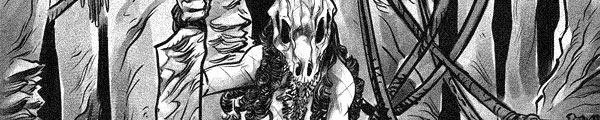
    Meanwhile, Steve Dillon does some pretty good art on the issue. He’s not drawing anything particularly fantastic, subject-wise, but he’s doing good work.

    I just read the comic and I can’t remember much about it. The cliffhanger is a big one, but not as big as the reveal of the villain. Ennis is going for Preacher-level absurdity without any justification. It’s goofy, but he thinks it’ll be funny, so he’s using it. Not just logic be darned, but sense of reality be darned.

    He’s not trying, but it’s still okay.

    B- 

    CREDITS

    Well Come On Everybody and Let’s Get Together Tonight; writer, Garth Ennis; penciller, Steve Dillon; inker, Jimmy Palmiotti; colorist, Chris Sotomayor; letterers, Richard Starkings and Wes Abbott; editors, Kelly Lamy, Nanci Dakesian and Stuart Moore; publisher, Marvel Comics.

  • Dark Engine 1 (July 2014)

    Dark Engine #1If I had to describe artist John Bivens's style, I'd say Paul Pope meets Frank Frazetta–warrior women versus dinosaurs with a lot of lines. Unfortunately, Bivens has no narrative storytelling chops so it's one static panel after another. I don't think I've ever read such a boring fight scene involving a dinosaur and a cavewoman.

    Except the lead isn't a cavewoman. She's a nearly naked product of genetic engineering. Ryan Burton doesn't answer why she has to be a woman, except perhaps for the constant nude scene possibilities. But his script is entirely undercooked so why expect it….

    Dark Engine is set in an otherworldly dimension where Burton wants the reader to remember a bunch of lame fantasy proper nouns but then uses Biblical names for his characters. Who curse in English.

    It's lazy, bad writing. Bivens's illustrating skills aside, there's nothing to Dark Engine. It's stalled at the gate.

    D 

    CREDITS

    Writer, Ryan Burton; artist, John Bivens; letterer, Crank!; publisher, Image Comics.

  • The Fury of Firestorm, The Nuclear Man #5Conway appears to have a formula for two-part stories. He opens with some action for Firestorm, then moves into the personal drama of Ronnie and Martin while working the villain subplot. Then Firestorm gets together, so to speak, and encounters the villain just in time for a cliffhanger.

    Oddly enough, it works great. This issue has a visiting villain–The Flash’s Pied Piper–and the personal drama for the characters is rather amusing too. Ronnie’s having girlfriend troubles and decides to pursue a girl interested in Firestorm, dragging the Professor into it. Conway doesn’t slow down for their conversation about being a composite personality pursuing romance; instead he has it while they’re flying around. It’s an amusing conversation though.

    At the same time, it relates back to their individual character development. Conway’s very concise in the character stuff.

    Plus, the Broderick and Rodriguez art is fantastic this issue. It’s much more finished.

    B+ 

    CREDITS

    The Pied Piper’s Pipes of Peril!; writer, Gerry Conway; penciller, Pat Broderick; inker, Rodin Rodriguez; colorist, Gene D’Angelo; letterer, Phil Felix; editors, Carl Gafford and Len Wein; publisher, DC Comics.

  • The Squidder 1 (July 2014)

    The Squidder #1Ben Templesmith has a fairly interesting setting for Squidder. Imagine Cthulhu does come to the world, what happens when people fight back through technology and modern (or futuristic) warfare. It’s post-apocalyptic but after an inter-dimensional demon invasion. Why only fairly interesting? Because besides the vocabulary and details, it’s not much different than The Road Warrior.

    There’s some really cool art in the comic. It’s not great, but it’s iconic and cool. Templesmith’s abilities as an artist are not in question. His writing, however, leaves a lot to be desired. His first person narration is mostly mediocre, sometimes worse. Templesmith can’t figure out how to make his protagonist sound cool while still revealing something about himself.

    I don’t remember the protagonist’s name. I think it does come up once or twice but it’s not worth the effort to look it up. Or remember.

    Squidder looks great and reads tepid.

    C+ 

    CREDITS

    Writer, artist, letterer, Ben Templesmith; publisher, IDW Publishing.

  • The Mice Templar Volume II: Destiny 9 (May 2010)

    The Mice Templar Volume II: Destiny #9A couple quick observations. The first I should have made a long time ago–I wonder if having templar in the title and it being the name of famous knights affects people’s initial impression of Mice Templar. I see it as being a dismissive thing and, after reading Glass’s amazing success here… no one should be dismissing this comic.

    Second, again one I should have made already, has to do with Santos’s art and how he deals with scale. The way he makes the reader the size of the mice changes how one reads Mice Templar. He makes the world dangerous and fantastic subjectively, not objectively. The comic’s not on zoom, in other words.

    As for this issue, which does setup the sequel–Glass hits a home run. Every time he needs a plot twist or not, it works. Every action sequence is perfectly paced.

    It’s assured and wholly successful. It’s great.

    A 

    CREDITS

    The Festival of Samhain II; writer, Bryan J.L. Glass; artist, Victor Santos; colorist, Veronica Gandini; letterer, James H. Glass; editor, Judy Glass; publisher, Image Comics.