The Stop Button
blogging by Andrew Wickliffe
Category: 1985
-

Day of the Dead is a nightmare. Occasionally literally, with writer and director Romero not afraid to rely on a recurring “it was just a nightmare” bit. But more symbolically… Day is about a group of scientists working in a secured location in the Florida Everglades, ostensibly protected by the U.S. Army; they’re on a…
-
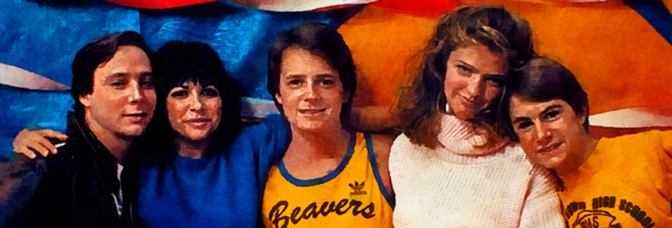
Teen Wolf is a rather dire Wolf. The best things about the movie are James Hampton as the dad and the werewolf makeup, which seems entirely designed to allow for a stuntman to play Michael J. Fox when he’s decked out. Otherwise, it’s never better than middling and often much worse. Some of the problem…
-

Sylvester Stallone’s director’s cut of Rocky IV arrives four sequels and thirty-five years after the film’s original release. Stallone says it’s for the thirty-fifth anniversary; Robert Doornick (who voiced Burt Young’s robot in the original cut and owns the copyright on the robot) says it’s because Stallone didn’t want to renew with him and had…
-
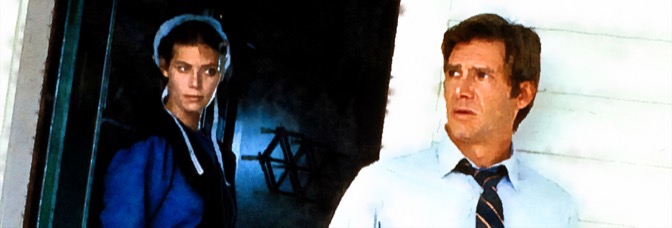
Witness has a beautifully directed scene or sequence every five to ten minutes. Just something director Weir is able to particularly nail, sometimes with John Seale’s photography’s help, sometimes with Thom Noble’s editing, then probably least of all, with Maurice Jarre’s score’s help. Jarre’s score is good, very pretty, and occasionally redundant; when it sells…
-

Year of the Dragon is going to be so racist it opens with a disclaimer from the distributor, Metro-Goldwyn-Mayer, basically saying they didn’t realize how racist director Cimino and co-screenwriter Oliver Stone were going to get and they’re sorry. Please enjoy the film. It came out in 1985. Year of the Dragon was too racist…
-

Life is profoundly cheap in Ewoks: The Battle for Endor. The film’s ostensibly about little human orphan Aubree Miller’s adventure with her Ewok buddy Warwick Davis and the old man (Wilford Brimley) who takes care of them after a group of bad guys appear out of nowhere and destroy the Ewok village and pew pew…
-

The best scene in The Falcon and the Snowman is when Sean Penn tries to sell his Russian handlers—a wonderfully bemused David Suchet and Boris Lyoskin—on a coke enterprise. They’ve got embassies all over, Penn figures, so why not make some money moving blow through them up from Peru or whatever. It’s maybe halfway through…
-

If you’ve ever started watching To Live and Die in L.A. and turned it off because it’s terrible or just heard of it and thought you should see it, let me say… there’s no reason to see it. Or sit through it. Not even morbid curiosity. Or unless you want to see John Pankow’s butt.…
-
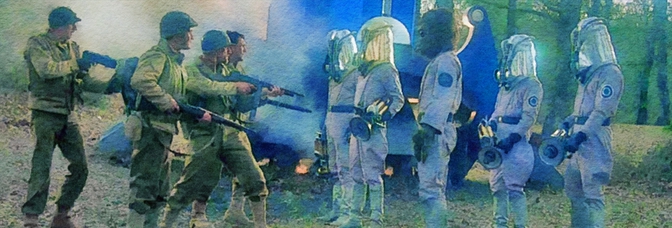
World War II soldiers meet aliens picture isn’t good enough as a WWII movie or as an alien movie. There are some solid original ideas, but mostly there are just bad ripoffs of more popular sci-fi and adventure films. It doesn’t help a lot of the acting is real bad. Biff Manard’s legitimately great, but…
-
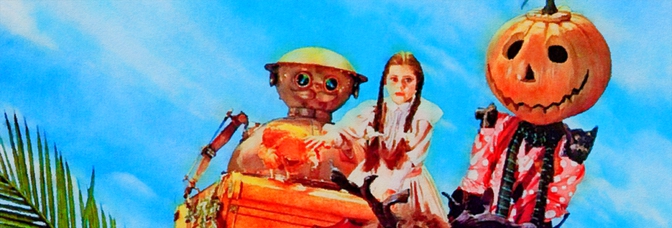
Short on budget, long on enthusiasm OZ “sequel”–to the original book, not the famous 1939 movie adaptation–returns Dorothy (Fairuza Balk) to a very different Oz, where the bad guys have taken over since she left. She’s got to gather a new bunch of friends to save the old ones from the ominous Nome King (Nicol…
-
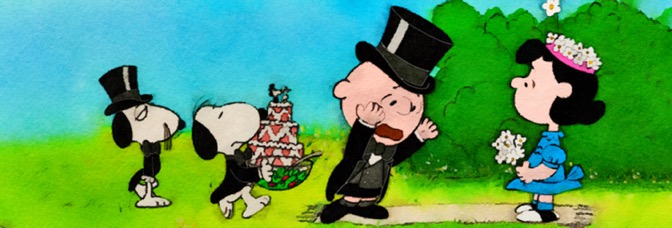
Right after Snoopy decides to get married–appropriate since the special’s titled Snoopy’s Getting Married, Charlie Brown–Charlie Brown (Brett Johnson) worries about how Snoopy will handle the responsibilities of marriage. Now, Charlie Brown finds out Snoopy is getting married because Snoopy has given him a letter to send to his sort of ne’er-do-well brother, Spike. So…
-

Much of Police Story operates on charm. If it’s not co-writer, star, and director Jackie Chan’s charm, it’s charm of the scenes. There are some painfully uncharming moments–mostly Chan’s frequent neglective abuse of girlfriend Maggie Cheung–but even when Police Story is in its stunt spectacular mode, there’s charm. The film doesn’t open with charm, however.…
-

An American in Palomar wraps up this issue and it’s not really like the first installment at all. Beto still has some stuff from the American photographer’s perspective, but it’s much more a regular Palomar story. There’s no more supernatural implications. It just doesn’t come up again. Instead, it’s about how Carmen, Tonantzín, and Luba…
-

There’s no resolution to the Rocky and Fumble this issue, but Locas is back. Right away, with Roy Cowboy (a comic strip character who’s had a couple appearances in non-Locas stuff from Jaime) introducing the full names of all the girls. Except Penny. For some reason no Penny. It’s cute since Daphne, Terry, and Beatríz…
-
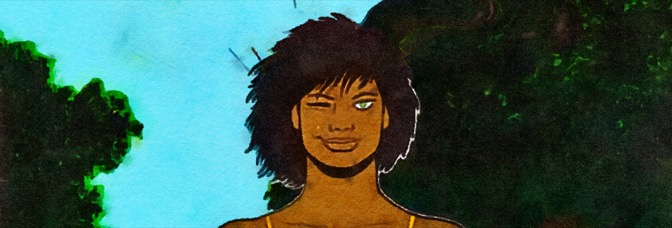
This issue of Love and Rockets is different from the table of contents–no Mechanics, no Locas. Jaime’s doing a Rocky and Fumble and it’s in between two Palomar. And these are kind of different Palomar tales. The first gives Tonantzin a feature. She’s been a supporting cast member since the “jump ahead,” and she might…
-

This issue of Love and Rockets is a weird one. Beto’s single story is a Errata Stigmata, who hasn’t had her own story in ages. Mario even gets a credit on her story, his first credit in ages. But before that strange, profoundly disturbing entry, Jaime’s finale for the current Mechanics arc. Jaime has twelve…
-
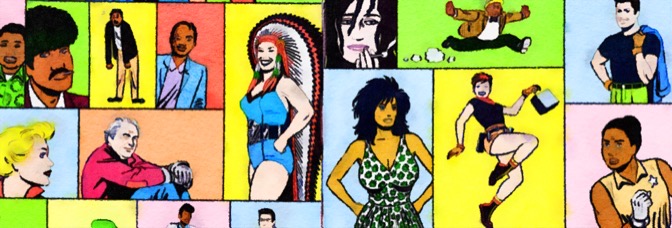
Love and Rockets #10 is a celebration. There are some original character design sketches and even a portfolio section with the pre-published work from Los Bros. Jaime opens the issue with a fourth wall breaking Locas one-pager, Beto closes the issue with a fourth wall breaking one-pager. Jaime’s ends up being more about Hopey and…
-
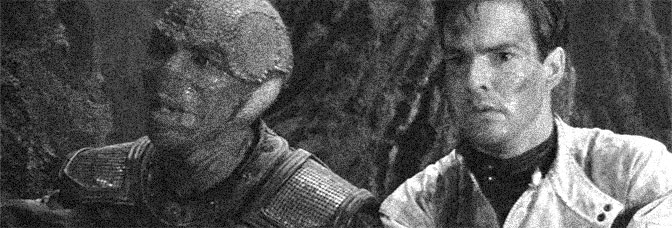
Enemy Mine has one great performance from Louis Gossett Jr., one strong mediocre performance from Dennis Quaid, one adorable performance from Bumper Robinson (as a tween alien), and terrible performances from everyone else. The film’s most impressive quality is a tossup. It’s either Gossett’s performance (and makeup) or it’s how well Mine hides director Petersen’s…
-
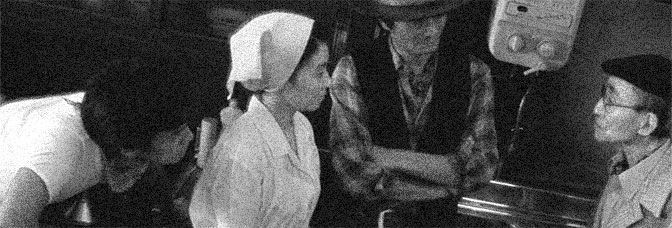
Tampopo is a cinematic appreciation of Japanese food culture. Writer and director Itami also has some love of cinema things, but it’s all about the food. Even when it’s played for humor. Or for nurturing. Or for sex. Sexy foodstuffs abound in Tampopo. But Tampopo is also this traditional narrative. It’s a Western’s narrative, but…
-

So much of Fright Night is humdrum, with the occasional energy pulses whenever Chris Sarandon gets to be vampirish, I didn’t really expect it to get any better. I certainly didn’t expect director Holland to go all out on the special effects or even Roddy McDowall to get such good material. I also didn’t expect…
-

Mad Max Beyond Thunderdome is the story of a burnt-out, desolate man who learns to live again. Sort of. It’s more the story of a burnt-out, desolate man who finds himself babysitting sixty feral children who think he’s a messiah. But not really that story either, because Mad Max Beyond Thunderdome doesn’t put much thought…
-

Somewhere in the second act of The Mean Season, the film just starts slipping and it never corrects. The opening titles, set against stormy Miami weather and a vicious (though not graphic) murder, establish the film’s momentum. Everything moves fast, whether it’s establishing unsatisfied reporter Kurt Russell and his newsroom sidekicks, his girlfriend Mariel Hemingway,…
-
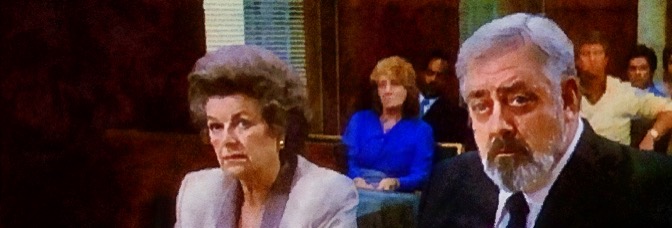
The most impressive technical contribution to Perry Mason Returns has to be Dick DeBenedictis’s music. He lifts thriller style music, some horror, some whatever, then applies it to this somewhat bland TV movie. Albert J. Dunk’s photography is too muted and director Satlof, though very capable of setting up sequences, is mediocre (at best) at…
-

Two things about Ladyhawke without getting to the script or some of the acting. First, Andrew Powell’s music. It’s godawful; it’s stunning to see a director as competent as Richard Donner put something so godawful in a film. Intentionally put it in a film. It’s silly. It sounds like a disco cover of the “Dallas”…
-
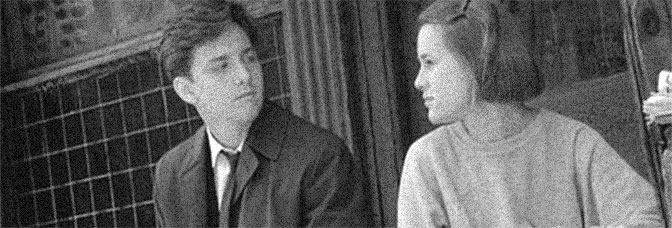
In its hundred minute run time, Heaven Help Us does a number of things well. It’s beautifully edited, photographed, directed, acted. Charles Purpura’s screenplay offers a number of fantastic scenes, which director Dinner does a great job with. Overall, however, the screenplay is where there’s a significant problem. The film doesn’t have an ending and…
-

Why is Freddy’s Revenge so bad? It shouldn’t be so bad. No mistake–it’s terrible and it’s terrible mostly because of director Sholder and lead Mark Patton. While Patton’s awful, it’d be wrong to blame it entirely on him. He doesn’t get any help whatsoever from director Sholder. But then Sholder doesn’t direct any of his…
-

Some real good art from Dave Gibbons closes this issue of Crime File. His story is the least in terms of writing–Wagner’s script is rushed–but it’s very cool to see young Gibbons on Dredd. Unlike the rest of the issue, which has good (though awkwardly not great) art from Barry Mitchell, Gibbons even keeps the…
-

Ron Smith only illustrates a fourth of this issue. Then “big-chin” Ian Gibson takes over for the rest. Something about Gibson’s cartoony style doesn’t work for me on Dredd. He goes too obviously to the humor and if Judge Dredd is nothing but a laugh, it can’t sustain itself past a punchline. The writing–of three…
-

Re-Animator. A romantic comedy about wacky med students who contend with vindictive deans, lecherous professors and student loans. With some good, old-fashioned decapitation thrown in. No. That description is way too reductive. Even though it’s technically correct. Director Gordon recognizes that camp possibility for the film, but he never lets the camp overwhelm the characters.…
-

It’s an okay issue. It’s just too uneven. The first story, with art by Ian Gibson, is a flop. Gibson’s style might be how I always think of Judge Dredd–visibly British, visibly stilted. Such long faces. Literally. Grant and Wagner’s script is about a Block War, sort of. There’s a simple explanation though and a…
 The Stop Button