Category: 1937
-
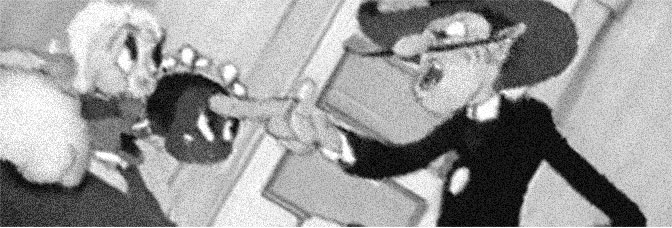
Uncle Tom's Bungalow manages to be both appallingly racist and a little progressive. Director Avery turning the slave trader into the devil, poking a little fun at the angelic white girl, general mocking of Southern cultural all around…. But Bungalow just isn't a good cartoon. Ben Harrison's script–with Tedd Pierce obnoxiously narrating–doesn't even include a…
-

Nothing Sacred is an idea in search of a script. It’s a little surprisingly they went forward with Ben Hecht’s script, which plays like he wrote it on a bunch of napkins and left director Wellman to piece together a narrative. Fredric March–who has shockingly little to do in the film–is a newspaper reporter who…
-

Well, What Do You Think? is one bland short film. There are some definite strengths to it. Tourneur’s direction of the actors is outstanding, especially at the beginning at a Hollywood party, when he’s cutting between various actors. All of Think is told in narration (from Carey Wilson) and so Tourneur has got to make…
-

Sh! The Octopus is a painfully unfunny spoof of the “old dark house” genre. Instead of a house, though, it takes place in a lighthouse on a rocky island. That setting should be enough, but it appears Warner only budgeted for the lighthouse model. The action principally takes place inside the lighthouse, in its large…
-
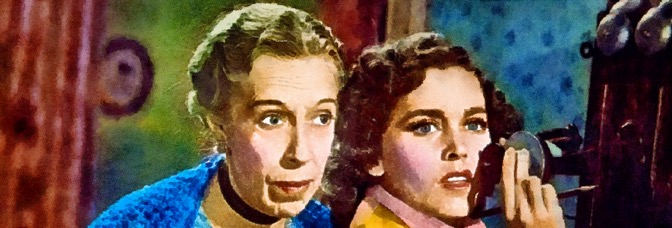
All My Dear Miss Aldrich is missing is a good script. Well, it’s missing some other things, but with a good script, it could have survived. The film has a lot of events in the first thirty or forty minutes, with the remaining minutes centered on a mystery. But it’s not really a mystery because…
-

I’d almost say Non-Stop New York has to be seen to be believed, but it might imply someone else should suffer through the film’s endless seventy-some minute running time. It’s a completely idiotic British attempt at an American proto-noir. The film opens in New York, so you have a bunch of British actors not really…
-
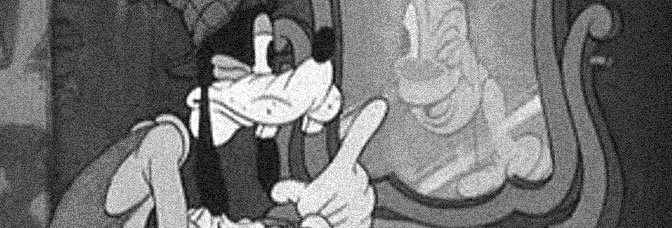
The animation in Lonesome Ghosts is so exquisite, it seems impossible the narrative could screw it up. Though, when the cartoon moves into a haunted house from this amazing outdoor scene, I suppose the possibility is there. The cartoon is Mickey, Donald and Goofy as ghost hunters. They run into trouble with these four ghosts—who…
-

A Night at the Movies opens with Robert Benchley in a domestic situation (Betty Ross Clarke does a fine job playing his wife). They’re trying to figure out what movie to go see. It’s a gently amusing scene—each has seen movies without the other so they’re trying to agree on an unseen one. It’s almost…
-

As Return of the Scarlet Pimpernel enters its third act, there’s this startling suggestion… one of the good guys has been sleeping with Robespierre to get in his good graces. I’m unaware of such an overt implication in any Hollywood films of 1937. Unfortunately, that singularity is about all Pimpernel has going for it. Otherwise,…
-

Much of Double Wedding–around two-thirds of it–is a supreme comedy. It might feature William Powell’s best comedic performance, just because of the limitless opportunity it offers him. It’s hard to top Powell in a fur coat and a fake wig… with a German accent (and a walking stick). Or Powell going through a big demonstration…
-

I can’t figure out who Renoir had in mind when he made Grand Illusion. It goes without saying he placed incredible trust in his audience, but his expectations are somewhat beyond anything else I’ve seen. Grand Illusion is a film with events–momentous, important events–but they pass without comment, without any recognition or identification. The events…
-

Given Sherlock Holmes is an English creation, I thought Silver Blaze would be a solid, thoughtful portrayal of the Empire’s most famous son. He’s still the most famous, right? But it isn’t. Silver Blaze actually follows the Marx Brothers rule of giving the romantic leads more to do. Here it’s Judy Gunn and Arthur Macrae.…
 The Stop Button