Category: ★★★½
-
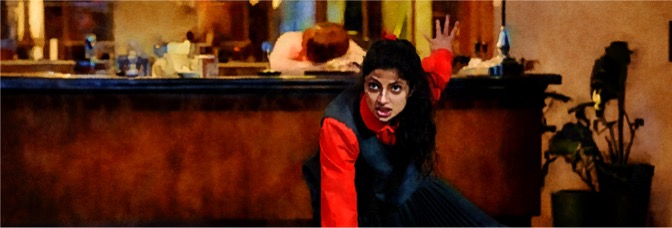
Polite Society is the story of British-Pakistani teenager Priya Kansara. She goes to an expensive London private girl’s school, where she’s got two best buds—Seraphina Beh and Ella Bruccoleri—and a nemesis—Shona Babayemi. Complicating matters is Kansara’s passion for martial arts stunt work. It leads to lots of fighting, which quickly reveals Polite’s major conceit: Kansara’s…
-
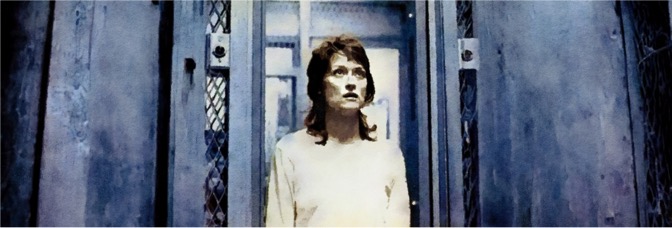
I wholeheartedly recommend Silkwood. It’s beautifully made, with a singular performance from Meryl Streep and great performances from its astounding ensemble. I need to remember to list all the supporting actors in the film. But I caution against reading up on the actual history. The film’s very accurate; the problem isn’t with veracity; it’s with…
-
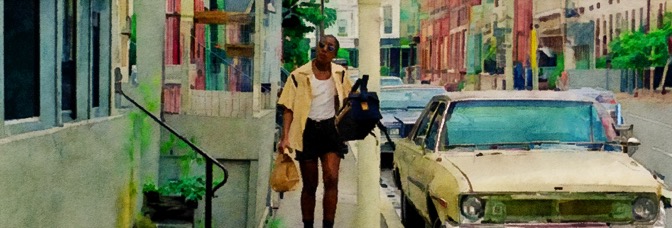
The Watermelon Woman is the story of video store clerk slash filmmaker Cheryl Dunye making a film about a 1930s Black female actor known only as “The Watermelon Woman.” At least initially. Dunye, in character, will spend the film discovering more and more about her subject, culminating in a documentary short. Surrounding Dunye dans le…
-
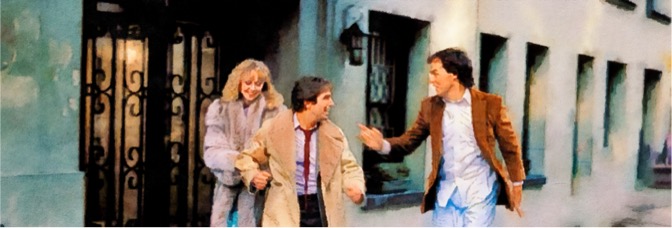
Night Shift distinguishes itself immediately. The opening sequence is magnificent, featuring two crooks (Richard Belzer and Badja Droll) chasing down pimp Julius LeFlore and inciting the incident for the film. Director Howard has three credited editors on Night Shift—Robert James Kern, Daniel P. Hanley, and Mike Hill—and their cutting is deft. Lowell Ganz and Babaloo…
-
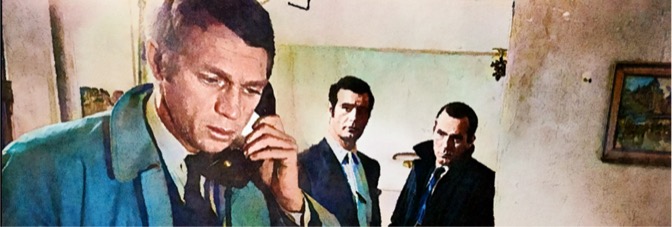
Bullitt is from the period when Hollywood wasn’t calling the Mafia the Mafia yet—it’s “The Organization” here—and none of the mobsters had Italian names, but they are mostly Italian (heritage) actors. It’s especially funny because part of Bullitt’s conceit hangs on WASPs like up-and-coming senator Robert Vaughn not being able to tell Italians apart. But…
-
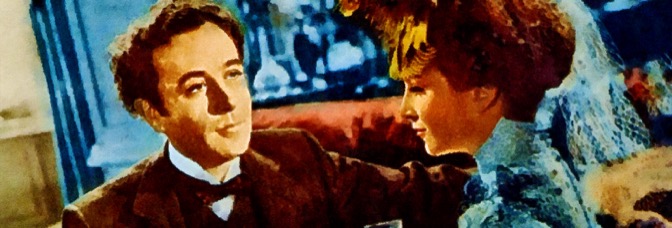
I don’t think I’ve ever referred to a performance as delicious before. I haven’t on The Stop Button (if Google is to be believed), but I’m also pretty sure I’ve never said that phrase before. Delicious performance. Dennis Price gives a delicious performance in Kind Hearts and Coronets. He narrates almost the entire film; there’s…
-
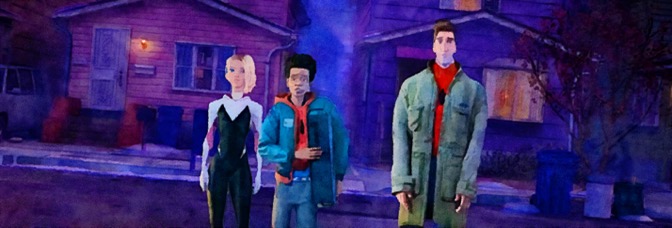
Like most superhero origin stories, Spider-Man: Into the Spider-Verse suffers from some third-act problems. It doesn’t just have a lengthy final fight scene between new Spider-Man (voiced by Shameik Moore) and Kingpin (Liev Schreiber in maybe the film’s only pointless voice casting), it’s got some inherently reduced stakes being an animated movie with a PG…
-
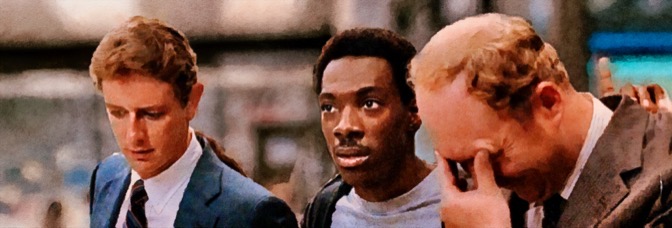
Beverly Hills Cop opens with a montage of Detroit street scenes. Kids playing, people talking, walking, Black and white. It’s beautifully cut—even at its most tediously cop action movie procedural, the editing is always glorious (though there’s lots of technical magnificence in Cop—and is well-done enough you even forgive the film for Glenn Frey’s The…
-
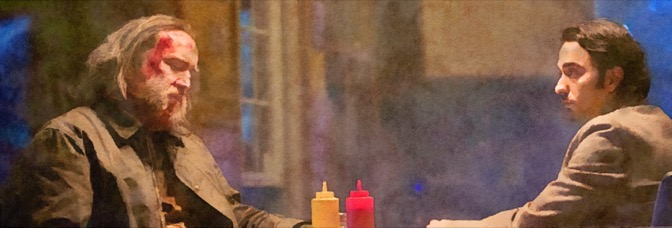
Pig is an anti-noir. Writer and director Sarnoski sets it up as something of a neo-noir in the first act, with seemingly inscrutable modern-day hermit Nicolas Cage having to travel back to civilization and civilization being scared of him. And even though Cage’s adventure routes through shady settings, they’re just background to the actual journey…
-
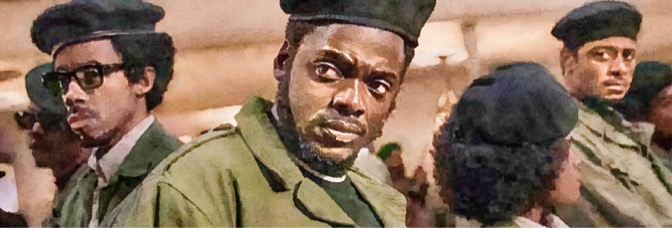
Judas and the Black Messiah has some third act problems. They end up drawing too much attention to LaKeith Stanfield’s character—the Judas—not having enough, well, character. Especially since director King uses footage of the real guy (it’s a true story) in the denouement, after opening the film with Stanfield in old age makeup playing the…
-
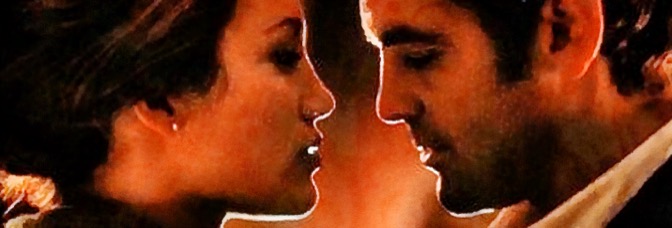
Right up until the third act, Out of Sight has a series of edifying flashbacks, which reveal important facts in the ground situation; almost enough to set the start of the present action back a few years. The film starts in flashback, which isn’t immediately clear, and then the series of consecutive flashbacks builds to…
-
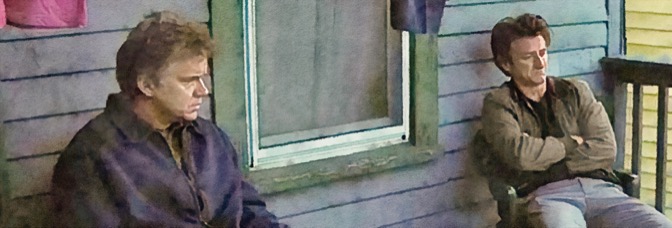
Mystic River is at all times a very American tragedy. Eastwood approaches it as such, both as director and composer (it’s Aaron Copland levels of romanticized, you eventually just have to go with it because Eastwood’s committed). But it’s also really just MacBeth in Bah-ston. A very, very cynical one. There’s not a single moment…
-

The Match Factory Girl is a hyper-focused character study. It opens with the visually fascinating process of a match factory before introducing lead Kati Outinen. Technically protagonist, obviously more subject. She quite noticeably doesn’t talk for the first twenty minutes or so, which says more about her situation than her character—no one’s interested in what…
-
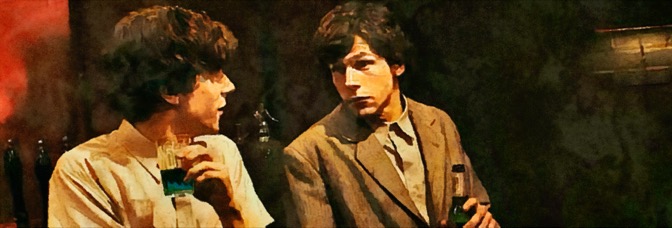
The Double opens with a look at lead Jesse Eisenberg’s monotonous, solitary life. He takes the train to his job, where he’s worked for seven years and only one person has bothered to learn his name, he’s got a crush on a girl (Mia Wasikowska) at work who doesn’t seem to know he exists, and…
-
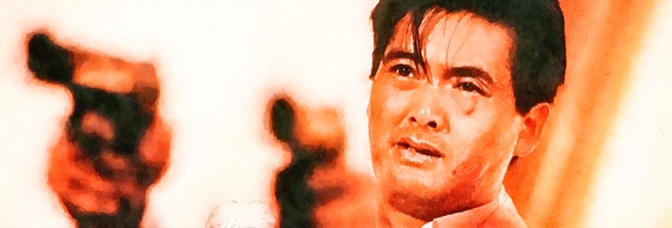
When The Killer introduces second-billed Danny Lee, it certainly seems like Lee’s arc is going to be the most important in the film. He’s a Hong Kong cop who starts chasing professional hitman Chow Yun-fat and gets in the middle of Chow’s fight with crime lord Shing Fui-on, with tragic results for everyone involved. And…
-
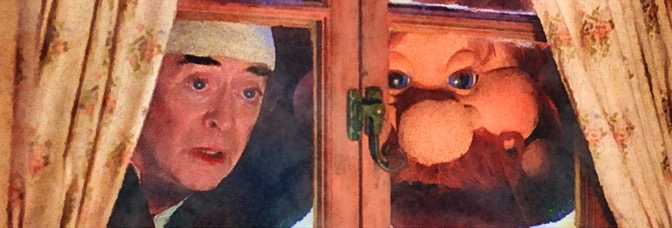
There’s a lot great about Muppet Christmas Carol: obviously the Muppet performers (their first outing after Jim Henson died—Rowlf is silent in memorial), Brian Henson’s fine direction, Jerry Juhl’s inventive script, strong special effects, Val Strazovec’s production design, Michael Jablow’s editing, the Paul Williams songs (the repetition even helps); but what makes it so special…
-
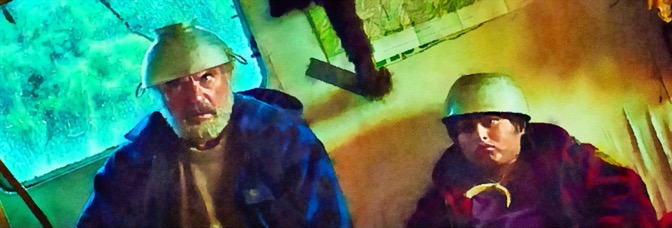
I kept waiting for something to go wrong in Hunt for the Wilderpeople. The first act is this exceptionally tight, efficient narrative—but with time for montage digressions as director (and screenwriter) Waititi gently examines lead Julian Dennison as his life goes through a pastoral upheaval. Dennison is a tween on the edge of teen and…
-
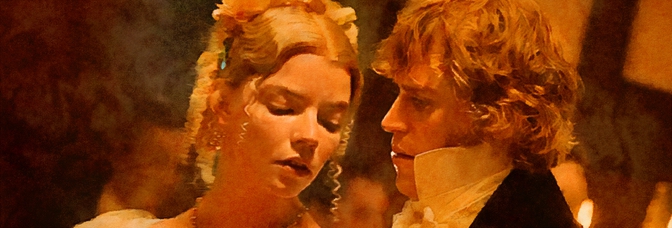
If IMDb is correct, there have been only ten other adaptations of Jane Austen’s Emma, and I’m including the modernizations. So it’s not so much Emma is oft-adapted, maybe just it’s got a very memorable story. Memorable enough even I was anticipating how—oh, wow, it’s director de Wilde’s first feature. Like, remember when music video…
-
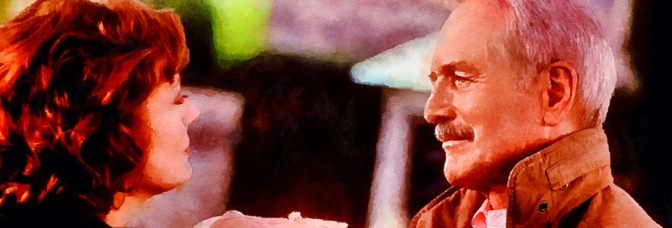
Unfortunate bit of trivia to start us off—Twilight is supposed to be called The Magic Hour, but just around the time of release, Magic Johnson’s high profile (and quickly cancelled) TV show had the same title and they changed the movie’s title. Titles are both important and not. They definitely establish a work’s intention—you may…
-
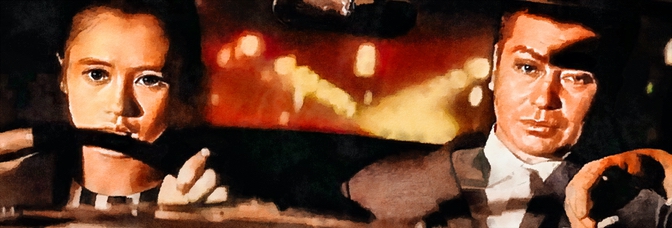
Pale Flower opens with lead Ikebe Ryô narrating his first day out of prison. Not what he does—we get to see what he does—but how he feels about being out, what he notices. He’s killed a man, been in prison for three years, and nothing has changed in Tokyo. The dead man’s absence doesn’t matter,…
-

Outstanding comedy about overachiever seniors Beanie Feldstein and Kaitlyn Dever determined to finally break bad–the night before high school graduation–and show their classmates (and themselves) just how much fun they can be. Great performances from the leads and the supporting cast; the film’s a mix of good writing, great acting, and ambitious, thoughtful direction from…
-
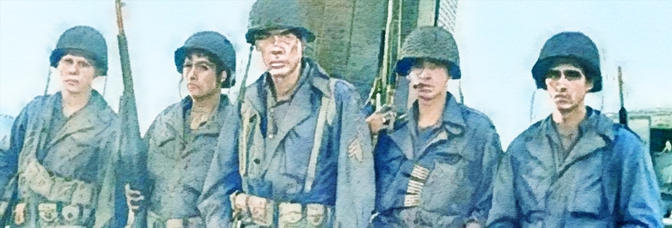
Outstanding WWII picture based on writer-director Fuller’s personal experiences. The film’s a series of vignettes, either battles or downtime with the main cast. Fuller follows four privates in the 1st Squad, led by nameless sergeant Lee Marvin. There’s writer (and narrator) Robert Carradine, Italian Bobby Di Cicco, artist and possibly coward Mark Hamill, and regular…
-

Magnificent comedy about successful Broadway producer John Barrymore finding his muse in untrained lingerie model Carole Lombard. The film charts the rise and fall of their partnership, which gets romantic, in the first half, spends the second half giving them a chance to reunite (in a train-set screwball comedy). Awesome performance from Barrymore, great one…
-
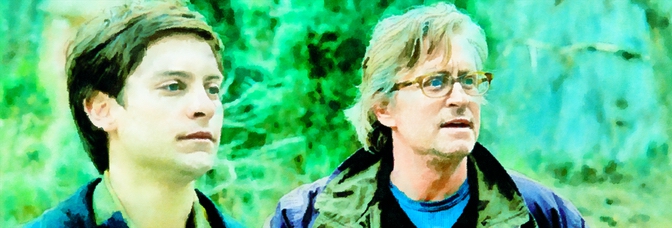
Beautifully directed “man in [madcap] crisis” movie with writing professor Michael Douglas dealing with his wife leaving him, his girlfriend getting pregnant, his agent snooping for his overdue and overlong new novel, one student trying to seduce him, and another student killing his boss’s dog. All those threads overlap too. It’s a bit of a…
-
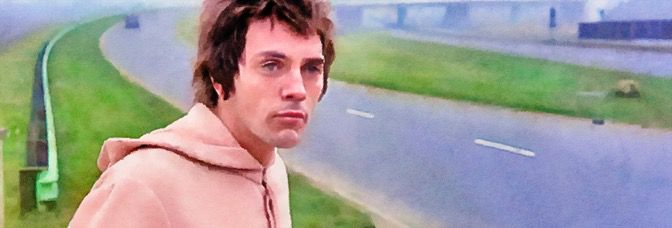
Part sci-fi, mostly drama gem about a thirty-year old man (Terence Stamp) who’s been in a coma since birth. Modern medical science allows surgeon Robert Vaughan to wake him up, but Stamp’s regular doctor (Nigel Davenport) has some unscientific (in the name of science, of course) “childrearing” expectations, leading to tragedy. Exquisite performance from Stamp.…
-
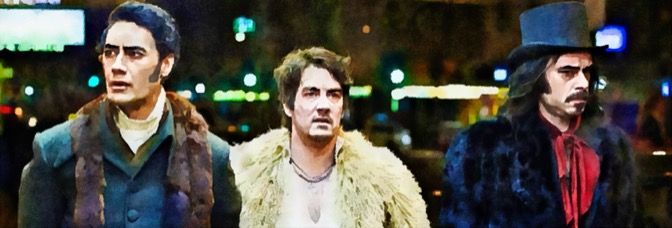
What We Do in the Shadows is strong from the first scene. An alarm clock goes off at six. A hand reaches over to hit snooze. Only it’s six at night and the hand is reaching from a coffin. Shadows’s a mockumentary (though I sort of want to start calling them docucomedies after this one);…
-
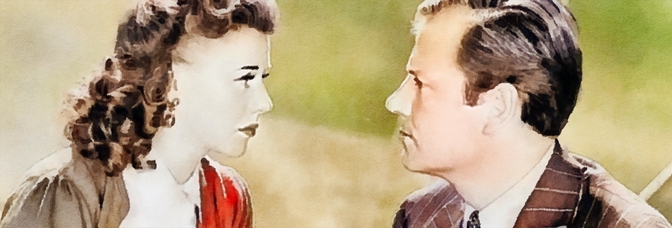
Primrose Path gets fun fast. Given the film opens with nine year-old Joan Carroll stealing a neighbor’s tamales (instead of buying them) for her and her grandmother, Queenie Vassar, it sort of needs to be fun. Vassar’s the maternal grandmother, not related to despondently alcoholic dad Miles Mander. Ginger Rogers is the older daughter, who…
-
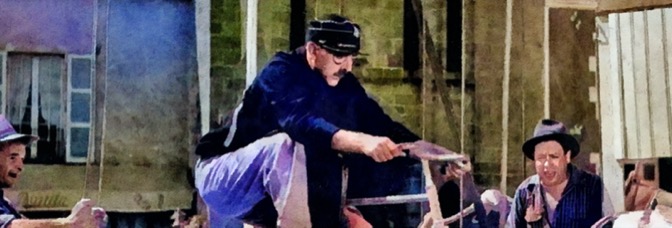
It’s about fifteen minutes before lead (and director) Jacques Tati appears in Jour de fête. The film opens with a travelling fair arriving at its destination and starting to set up. Paul Frankeur and Guy Decomble are the two main fair workers–actually they’re the only fair workers with anything to do except Santa Relli as…
-
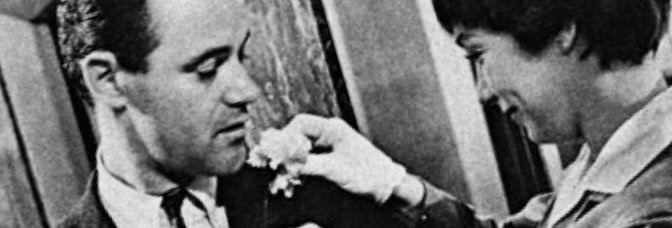
The Apartment does whatever it can to remain a dramatic comedy when it shouldn’t be anymore. And sort of isn’t. When the film shifts into real drama, there’s no going back. Director Wilder gets it too. The film has a good comedy opening, a breathtaking dramatic middle, and a decent comedy end. The comedy in…
-
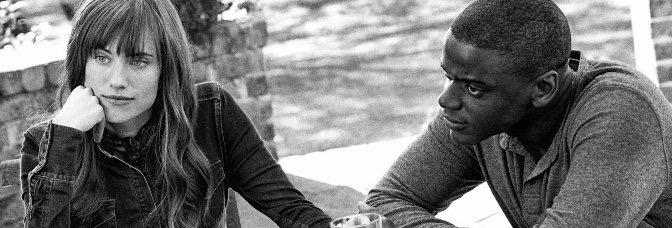
What’s particularly stunning about Get Out is how nimble director (and writer) Peele gets with the protagonist, Daniel Kaluuya, and the narrative distance to him. Peele’s very patient with his cuts. Lots of long shots, establishing what Kaluuya is seeing (as well as the audience); the audience has no point of view outside Kaluuya. Then…
 The Stop Button