Category: ★★★
-

Instead of establishing Evil Dead II’s tone at the start of the film, director Raimi waits a while, veering between horror and comedy–pushing each to their absurdist extremes–until they meet. And, by then, the viewer is fully comfortable in the world of Evil Dead II. Bruce Campbell can be simultaneously sympathetic, hilarious, horrifying. Campbell spends…
-
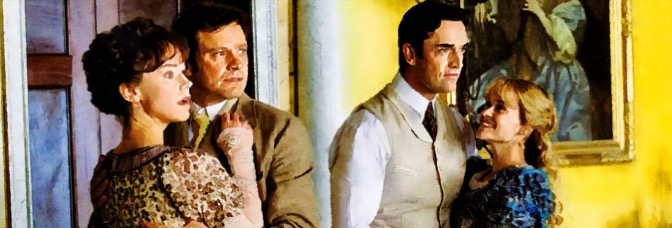
Oliver Parker takes an interesting approach when it comes to adapting The Importance of Being Earnest from play to screen. He doesn’t worry much about opening up the film; at the beginning of the film, he showcases late nineteenth century London and later does quite a bit with Colin Firth’s country estate… but during the…
-

The Mummy is a strange horror movie. While there’s a definite villain–a monster–in Boris Karloff’s resurrected mummy, he poses a danger specifically to only one cast member–Zita Johann. She’s the reincarnation of his lost love and her exact importance to him isn’t clear until the last act. There’s a somewhat goofy moment where Edward Van…
-
The last scene of Old Stock doesn't exactly overshadow the rest of the film, but it certainly sets it apart. It's one of the more subtle finishes to a film. Without giving the viewer any guidance, director Genn and writer Dane Clark close the picture with a silent reference to a line in the dialogue.…
-

Alien³ is a strange film. Some of its problems inevitably stem from its post-production issues, but there's also the question of intent. It's three films in one; first is a sequel to Aliens. That storyline takes about an hour. Then it's its own film for about forty-five minutes. Then it's the final film in a…
-
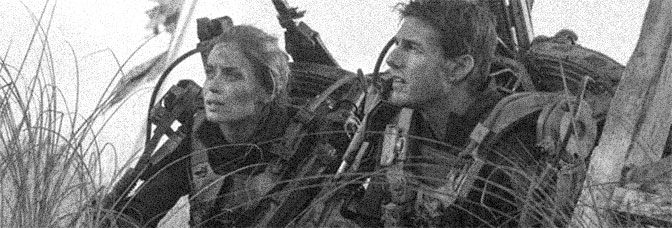
Edge of Tomorrow is high concept masquerading as medium concept… masquerading as mainstream high concept. The gimmick–Tom Cruise finds himself reliving every day as he goes into a battle against alien invaders–turns out not just to have a lot to do with the alien invaders, who director Liman almost entirely avoids, but also with how…
-
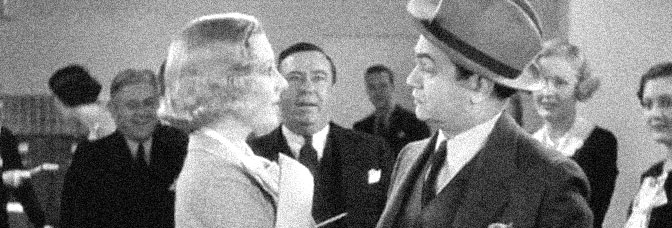
The Whole Town’s Talking has some peculiar third act problems, but it also has this extraordinary first act set over three scenes and twenty-some minutes, which evens things out. Some of the problem might stem from Town’s plot–mild-mannered office clerk Edward G. Robinson just happens to look like a famous gangster and is falsely arrested.…
-

Despite trying to appear dark and serious, Incognito is actually a rather light outing. Sure, protagonist Jason Patric is something of a jerk, but he’s a lovable jerk. And he’s usually in the right. Patric is an art forger who reluctantly sets about creating a new Rembrandt. He’s working some very annoying people, played by…
-
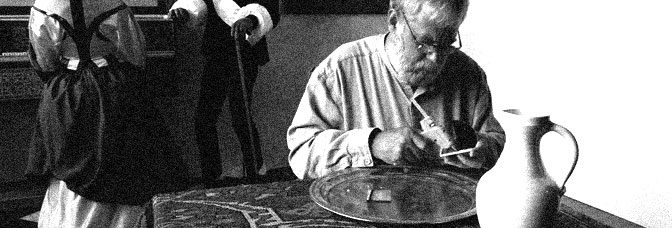
Tim’s Vermeer is simultaneously an intensely personal look at a guy–the titular Tim, Tim Jenison–and also not an intensely personal look at him. Jenison sums up his hypothesis in the first few minutes of the film–what if Vermeer (and some of his contemporaries) were less hippy dippy artists (my term) and more inventors? They were…
-

Godzilla is a peculiar picture. It’s intensely serious, with director Honda never letting the viewer get a moment’s relief. This approach is all throughout the film, which opens with a documentary feel. Honda and co-screenwriter Murata Takeo set up their main characters quickly and without a lot of fanfare–Takarada Akira and Kôchi Momoko’s first scene…
-

Supernatural is a strange little film. I say little just because it's just over an hour; it has a great pace, however, and always feels full. Maybe because it introduces two subplots before getting to top-billed Carole Lombard. Then Lombard sort of encounters one of the subplots and the other one merges with her own…
-
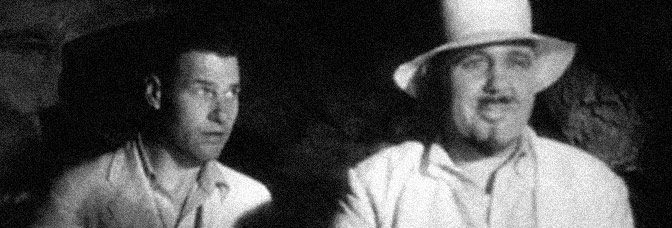
What’s so incredible about Island of Lost Souls is how Charles Laughton doesn’t overpower the entire picture. Laughton’s take on the mad scientist role–playful, gleeful, callous, cruel–is a joy to watch and it definitely contributes but it doesn’t make Souls. Even with Laughton, Kenton’s direction is still a must, as are the performances of Richard…
-

From the second scene of the Star Trek VI: The Undiscovered Country, it's clear director Meyer is going to be somewhat merciless in how he presents the film. It's not just a story about a sea change in the franchise's mythology or about the familiar cast members retiring, it's also about it being the final…
-

A lot of Miller’s Crossing is left unsaid. Between the hard boiled dialogue disguising character motivations and the lengthy shots of Gabriel Byrne silently reflecting, the Coen Brothers invite examination and rumination. They invite it a little too much. The film’s a perfect object, whether it’s how the opening titles figure into revealing conversation and…
-
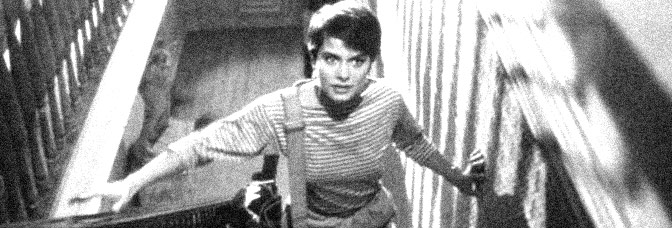
Cat People is so brilliantly made, often so well-acted, it's surprisingly those elements can't make up for its narrative issues. Screenwriter Alan Ormsby has a big problem–he's got to turn his protagonist from a victim to a villain to a victim. Sadly, he and director Schrader choose to employ the lamest technique possible towards the…
-

Lovesick is an unassuming comedy. Director Brickman will occasionally bring in frantic, sitcom-like plotting to jazz things up momentarily, but otherwise the film’s exceedingly calm and measured. It only runs ninety-some minutes; it’s gradual, without much conflict at all–in fact, when there’s conflict introduced, Dudley Moore’s protagonist will actually relieve pressure on the situation. It’s…
-
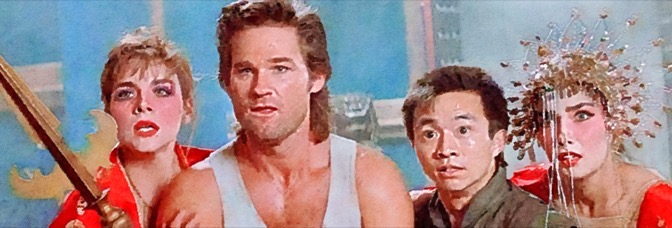
Although Big Trouble in Little China takes place in modern day San Francisco and has a whole bunch of awesome special effects, it’s really just John Carpenter doing another Western. This time he’s doing a light comedy Western and he’s got the perfect script for it. W.D. Richter (credited with an adaptation no less) has…
-

Father of the Bride is such a constant delight, it’s practically over before its problems become clear. First off, it’s definitely about the titular Father–a wonderful Spencer Tracy–who not only narrates but is in almost every scene. The wedding reception, when he’s chasing around daughter Elizabeth Taylor to say goodbye, is about the only time…
-

Donnie Darko has one of those discussion begging conclusions. So I’ll skip that aspect entirely and concentrate what director Kelly does so well. There’s a meticulous design to Darko but it’s mostly unimportant; once you get past the MacGuffin, it’s just this story about a teenage schizophrenic’s life coming apart. Jake Gyllenhaal is outstanding in…
-

Moody lightning, false endings, a Pino Donaggio score–Passion is De Palma’s return to his overcooked Hitchcock homages and a gleeful one. More, De Palma’s aware of its place in his filmography–the film opens with a playful piece of music from Donaggio, preparing the audience for a pitch black comedy. And, for a long while–even through…
-

For such an “odd” movie, Repo Man is incredibly precise. Writer-director Cox has four or five subplots–depending on if Emilio Estevez becoming a repo man and his journey as one is considered the plot, as Cox downgrades it to subplot status about three-quarters through the picture. Sometimes these subplots become so intense they jumble–I had…
-

Mad Max 2 might be the perfect example of pure action. Besides a couple extended dialogue moments–maybe the only times Mel Gibson’s protagonist gets to talk without Brian May’s music over him or just the fantastic sound effects drowning him out–it’s all action. It’s kind of incredible how far director Miller pushes the idea of…
-

First Contact works out well for a number of reasons. The script’s structured beautifully, it’s well-cast, Frakes knows how to direct for both humor and action… but also because it’s not a possessive picture. The film involves time travel, sending the “Star Trek: The Next Generation” crew into the past (but still the future) and…
-

Office Space is the model of efficiency. Judge never races through things, he just tells them really fast or implies them. There’s the fantastic opening montage of everyone going to work, which ought to be a clue to who is and isn’t going to be important in the film, and then things just breeze along…
-

Dredd is a good time. Sure, it features exceptional ultraviolence, but director Travis finds a gimmick–the drug “Slo-Mo” slows time for its user–to make the violence appear almost academic. One wonders how they did the special effects for the sequence. Travis also never glorifies the bad guys, which is interesting for what’s sort of a…
-

Phantom tries hard not to have a narrative. On the surface, one could argue it really doesn’t–an unnamed woman and man talk. Director Soler has his actors recite their dialogue without much emotion. There are a couple really funny moments, but never do the characters seem to get tired. It is a narrative, of course–it…
-

Until the unfortunate deus ex machina finish, A Bucket of Blood is a small wonder. Even with the finish, the film manages to succeed; the performances are just too strong. Dick Miller plays a simple, well-meaning bus boy–who also takes drink orders, apparently for no tips–at an art café. The beatnik patrons condescend to him,…
-

Ben Affleck is a calm, assured director; Argo is something of a distant film. He never lets himself take the spotlight, but he also doesn’t let any of the supporting cast take it either. He casts the film beautifully–whether it’s Clea DuVall and Scoot McNairy as some of the people Affleck’s trying to rescue or…
-

The filmmaking economy in The Little Shop of Horrors is astounding. Most of the film takes place in one set–the titular shop–and Charles B. Griffith’s script works hard to imply the world outside that set. My favorite bit in the script is probably when leading man Jonathan Haze is shocked to discover peanut butter and…
-
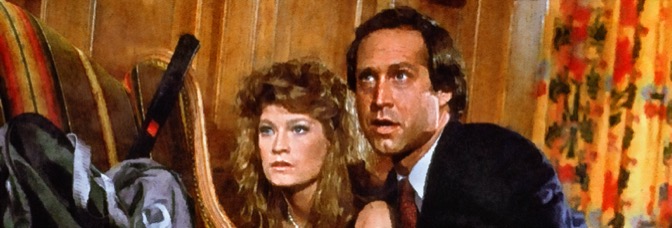
While Fletch has its technical high lights and Andrew Bergman’s script is strong both in dialogue and structure (though the Chevy-sized plot holes are a tad rampant), the film hinges on star Chevy Chase (not a car) being arrogant, likable, sincere and funny all at once. And Chase manages it. His dry, self-aware narrative even…
 The Stop Button