Category: Directed by Alfred Hitchcock
-
Rebecca opens with protagonist Joan Fontaine narrating, establishing the present action as a flashback—which is kind of important considering how much danger Fontaine will be in throughout. She’s got to make it since there’s the narration. Some of that danger is in Fontaine’s head. Or, at least, she sometimes apprehensive of the wrong person. Sort…
-
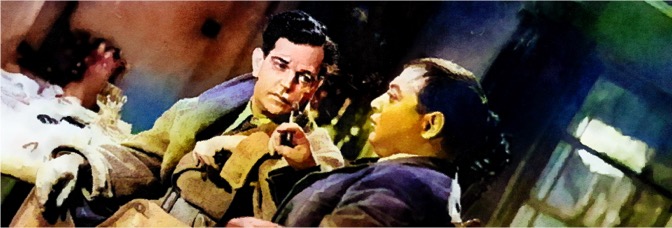
The Man Who Knew Too Much is an action thriller. It doesn’t start as an action thriller—it begins with an English family (dad Leslie Banks, mom Edna Best, daughter Nova Pilbeam) vacationing in Switzerland. Their vacation has almost come to an end, and they’re saying goodbye to some of their trip friends. Their good trip…
-
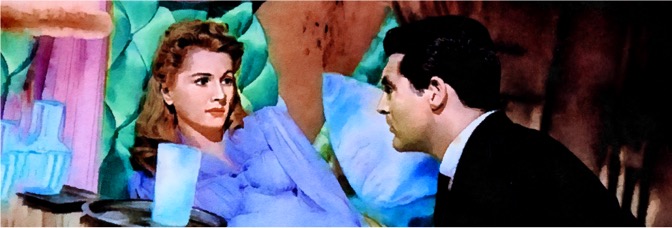
Suspicion is a peculiar picture, both in terms of content and context. It’s one of those Hollywood pictures from late 1941, before Pearl Harbor, but it takes place in England, which was already in the war. So it’s set before the war. It’s an all-British cast (not to mention director Hitchcock) making an American film,…
-
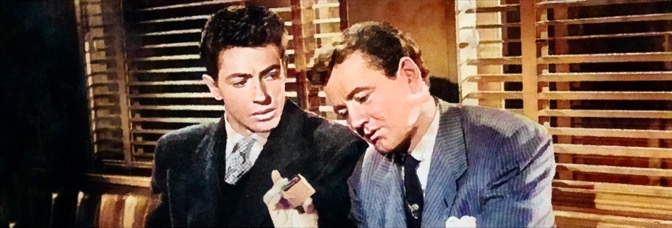
Strangers on a Train is many things, but it’s principally an action thriller. Director Hitchcock never quite ignores any of its other aspects; he’s just most enthusiastic about the action he and editor William H. Ziegler execute. For example, the third act is entirely action set pieces, one to another, with an occasional bit of…
-

Psycho is a masterpiece of color. After forty joyfully plodding minutes of Janet Leigh going from fetching spinster in a torrid lunch hour romance to grand larcenist in precise black and white (and then another few minute as she moves to close that character arc), director Hitchcock and Psycho put Leigh in the color of…
-

In the third act of Notorious, director Hitchcock and screenwriter Ben Hecht (who had some uncredited and quite exquisite help) figure out a way to get maximal drama out of a rather mundane situation. Well, mundane as far as the possibilities of American agents in Rio de Janeiro (with the permission of the government) trying…
-

The Trouble with Harry is very cute. It’s fine, the film’s intentionally cute, but it’s also somewhat frustrating. With the exception of the glorious Technicolor exteriors of Vermont leaves, director Hitchcock and photographer Robert Burks don’t do anything particularly interesting. John Michael Hayes’s screenplay is so confined it often feels like Harry is a stage…
-
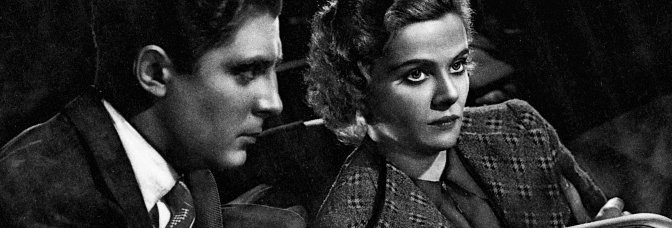
Young and Innocent is about Nova Pilbeam (Young) and Derrick De Marney (Innocent). She’s a county police constable’s daughter, he’s an escaped murder suspect. They first meet during his interrogation, when he faints at discovering he’s not just accused of murdering a woman, but that woman has also left him some money. Pilbeam nurses De…
-
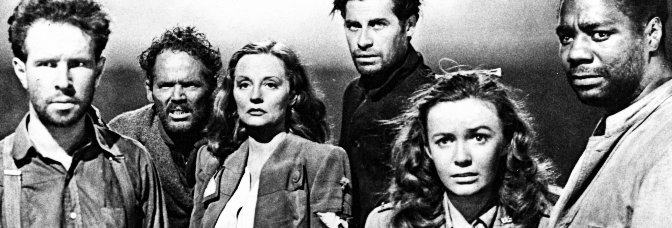
Lifeboat never feels stagy, which is one of the film’s greatest successes. The entire thing takes place in a single lifeboat, with director Hitchcock not doing many medium or long shots of the lifeboat exterior. All the action is with the actors, Hitchcock using distinctive composition–Glen MacWilliams’s glorious photography helping quite a bit, of course–to…
-

Rear Window is an absurdly good time. It’s breathtakingly produced and the set is a marvel on its own, but it’s also an absurdly good time. You’ve got Thelma Ritter chastising James Stewart not just for peeping, she also chastises him for not being serious enough about Grace Kelly. How could it not be an…
-
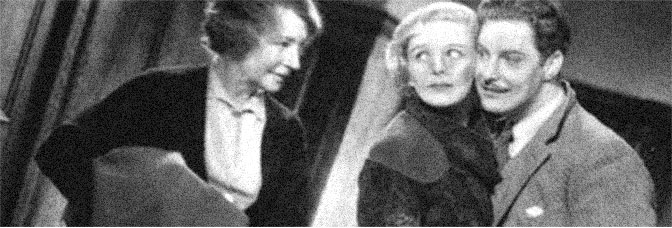
There are numerous good moments in The 39 Steps. Even the clunky finale is a good moment–director Hitchcock knows he’s got a good moment, he just doesn’t know how to fill in around it. This inability on Hitchcock’s part makes The 39 Steps immediately interesting when compared to the rest of Hitchcock’s filmography, but far…
-
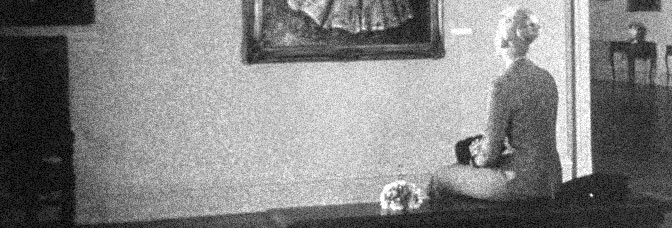
Vertigo is a nightmare. It starts with James Stewart recovering from a nightmare only to find himself in another one. Kim Novak finds herself trapped in a similar nightmare. There’s a lot of beauty in the nightmare, but it’s still a nightmare. And nightmares get worse before anyone wakes up. In Vertigo, both Stewart and…
-
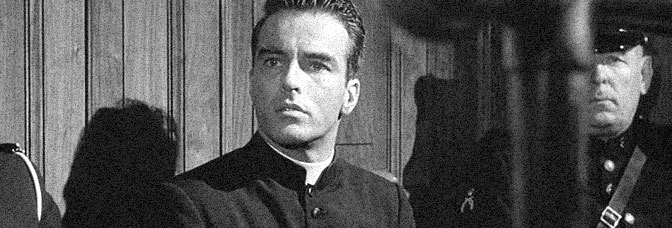
I Confess is unwieldy. Director Hitchcock is extremely precise in his composition, the same goes for Robert Burks' photography (especially the photography) and Rudi Fehr's editing (which changes in harshness based on the story's tone); sure, Dimitri Tiomkin's music is all over the place and intrusive, but it fits the script. George Tabori and William…
-

Sabotage demands the viewer's attention. It opens with a dictionary definition of Sabotage, forcing the viewer to read something and then immediately relate it to the rapidly edited sabotage of a power station. This sequence, which sets off the first act of the film, takes place in maybe a minute, maybe less. Charles Frend's editing…
-

The Man Who Knew Too Much is Hitchcock’s only remake and, as such, it probably ought to be a whole lot better. The resulting film suggests he really wanted to make a Moroccan travelogue and symphony picture… assuming he didn’t set out to make a turgid thriller. There’s also something else awkward about Man–Doris Day.…
-
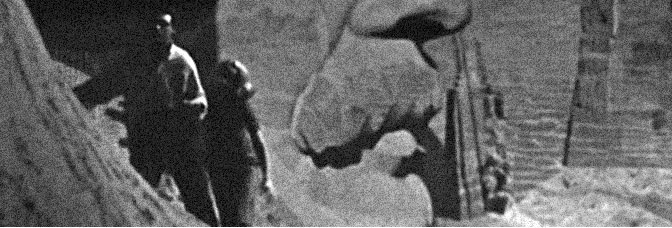
North by Northwest seems a little like a Technicolor version of an early Hollywood Hitchcock–the regular man combating the bad guys against incredible odds (at an American monument no less), but it’s a lot more. The film’s a tightly constructed proto-blockbuster; there’s not a bad frame in the film, not an imperfect scene. North moves…
-
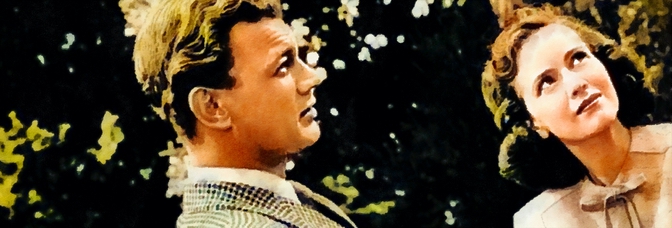
Shadow of a Doubt is a strange one–the presence of Teresa Wright and the small town atmosphere and the Gregg Toland-esque (but not Gregg Toland) cinematography make it feel like William Wyler, the presence of Joseph Cotten and the camera angles and intricate sound design make it feel like Welles (or at least an RKO…
-
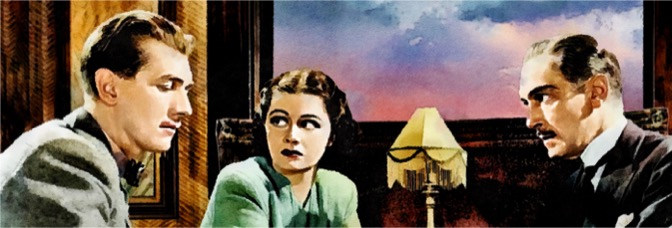
The Lady Vanishes might be the most fun Hitchcock ever lets an audience have with one of his films. Vanishes maintains a comedic sensibility throughout and for the most part, that sensibility overtakes the mystery element. Even the mystery element gives way to an action element–besides North by Northwest (which only barely qualifies) and Foreign…
-

Excellent propaganda thriller with Joel McCrea as an American reporter heading to Europe before the outbreak of WWII. He finds himself in a bunch of intrigue concerning fetching Laraine Day and her father, Herbert Marshall. George Sanders is great as a British reporter. Outstanding pace, set pieces, and script. Magnificent direction from Hitchcock. DVD, Blu-ray,…
 The Stop Button