Tag: Montgomery Clift
-
Insofar as it has a protagonist,Judgment at Nuremberg is the story of recently electorally defeated Maine judge Spencer Tracy. Tracy is the chief justice on a military tribunal hearing cases in the Nuremberg trials, the Allied attempt to hold the Germans accountable for their actions during World War II. Tracy's coming in towards the end…
-

Outstanding period drama about unmarried heiress Olivia de Havilland’s courtship by charming but poor Montgomery Clift and the repercussions for de Havilland’s relationship with her father, Ralph Richardson. Small story grandly told; Ruth and Augustus Goetz adapted their own play (which was adapted from Henry James’s Washington Square). Fantastic performances from everyone involved, stellar direction…
-
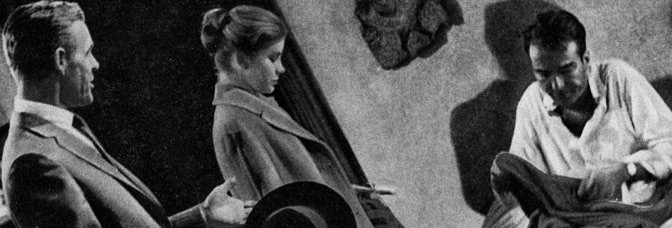
The most frustrating thing about Lonelyhearts is Donehue’s direction. While not a television production, Donehue directs it like one. He’ll have these shots of star Montgomery Clift baring his soul to girlfriend Dolores Hart and Donehue will stick with Clift, no reaction shot on Hart much less letting her hear the whole thing. Of course,…
-
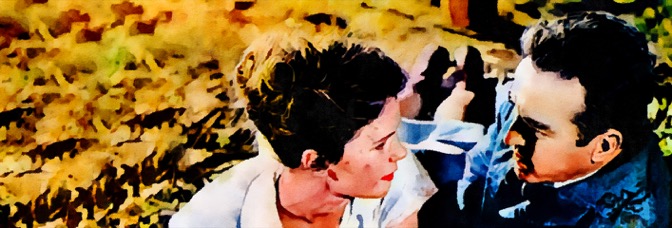
Director Kazan opens Wild River with newsreel footage of the Tennessee River at flood. The film is set in the 1930s, something else the newsreel footage establishes. Kazan and screenwriter Paul Osborn spend the least amount of time possible setting up the film. The newsreel takes care of setting, when lead Montgomery Clift starts his…
-
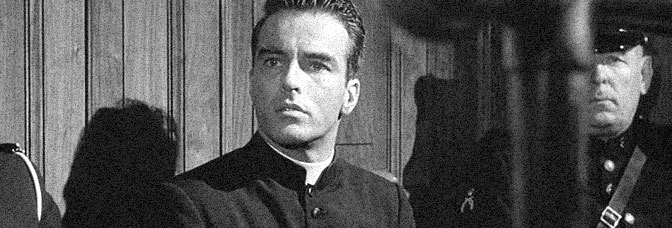
I Confess is unwieldy. Director Hitchcock is extremely precise in his composition, the same goes for Robert Burks' photography (especially the photography) and Rudi Fehr's editing (which changes in harshness based on the story's tone); sure, Dimitri Tiomkin's music is all over the place and intrusive, but it fits the script. George Tabori and William…
-
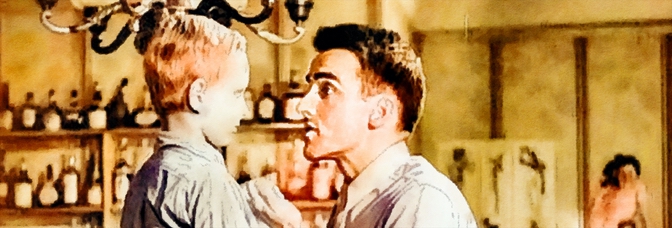
The Search barely qualifies as a dramatic piece. For the first thirty minutes, an uncredited narrator explains everything to the audience, going so far as to ask the characters rhetorical questions (thankfully they don’t respond). It’s filmed on location in post-war Berlin and–exposes is too strong a word–informs the audience about the situation of displaced…
 The Stop Button