Tag: Alfred Hitchcock
-

The Trouble with Harry is very cute. It’s fine, the film’s intentionally cute, but it’s also somewhat frustrating. With the exception of the glorious Technicolor exteriors of Vermont leaves, director Hitchcock and photographer Robert Burks don’t do anything particularly interesting. John Michael Hayes’s screenplay is so confined it often feels like Harry is a stage…
-
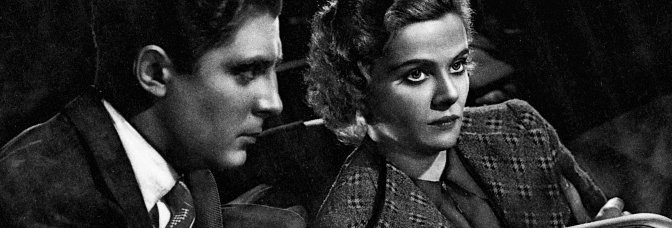
Young and Innocent is about Nova Pilbeam (Young) and Derrick De Marney (Innocent). She’s a county police constable’s daughter, he’s an escaped murder suspect. They first meet during his interrogation, when he faints at discovering he’s not just accused of murdering a woman, but that woman has also left him some money. Pilbeam nurses De…
-
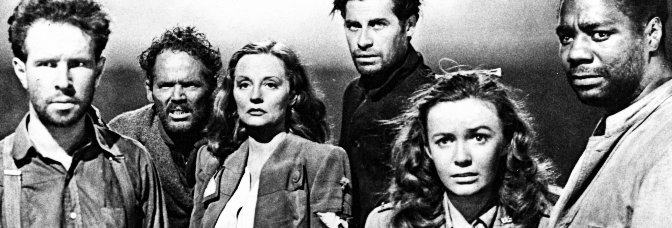
Lifeboat never feels stagy, which is one of the film’s greatest successes. The entire thing takes place in a single lifeboat, with director Hitchcock not doing many medium or long shots of the lifeboat exterior. All the action is with the actors, Hitchcock using distinctive composition–Glen MacWilliams’s glorious photography helping quite a bit, of course–to…
-

Rear Window is an absurdly good time. It’s breathtakingly produced and the set is a marvel on its own, but it’s also an absurdly good time. You’ve got Thelma Ritter chastising James Stewart not just for peeping, she also chastises him for not being serious enough about Grace Kelly. How could it not be an…
-
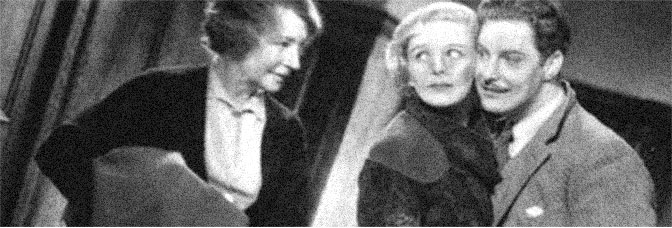
There are numerous good moments in The 39 Steps. Even the clunky finale is a good moment–director Hitchcock knows he’s got a good moment, he just doesn’t know how to fill in around it. This inability on Hitchcock’s part makes The 39 Steps immediately interesting when compared to the rest of Hitchcock’s filmography, but far…
-
Vertigo is a nightmare. It starts with James Stewart recovering from a nightmare only to find himself in another one. Kim Novak finds herself trapped in a similar nightmare. There’s a lot of beauty in the nightmare, but it’s still a nightmare. And nightmares get worse before anyone wakes up. In Vertigo, both Stewart and…
-
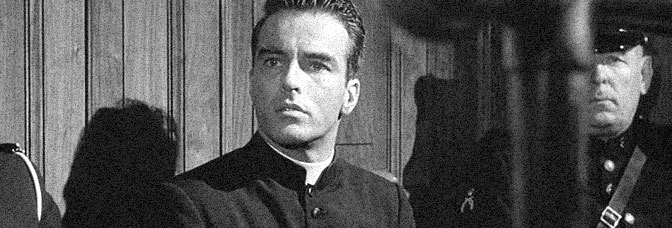
I Confess is unwieldy. Director Hitchcock is extremely precise in his composition, the same goes for Robert Burks' photography (especially the photography) and Rudi Fehr's editing (which changes in harshness based on the story's tone); sure, Dimitri Tiomkin's music is all over the place and intrusive, but it fits the script. George Tabori and William…
-

The Man Who Knew Too Much is Hitchcock’s only remake and, as such, it probably ought to be a whole lot better. The resulting film suggests he really wanted to make a Moroccan travelogue and symphony picture… assuming he didn’t set out to make a turgid thriller. There’s also something else awkward about Man–Doris Day.…
-
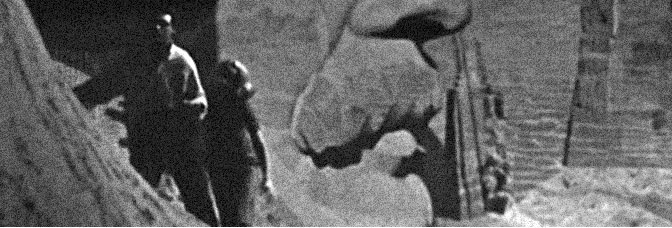
North by Northwest seems a little like a Technicolor version of an early Hollywood Hitchcock–the regular man combating the bad guys against incredible odds (at an American monument no less), but it’s a lot more. The film’s a tightly constructed proto-blockbuster; there’s not a bad frame in the film, not an imperfect scene. North moves…
 The Stop Button