Tag: Cate Blanchett
-
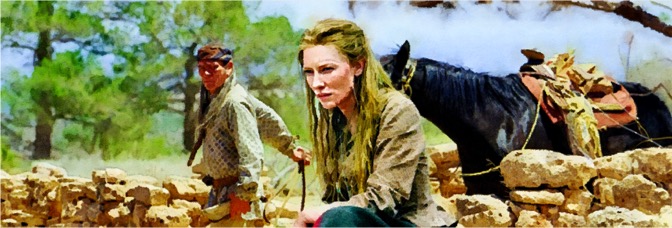
There’s a moment in The Missing when Tommy Lee Jones appears to be dead-panning at the camera, clearly as exasperated being in the film as the people watching him in the film. He’s tired because The Missing makes sure to keep him busy, but he easily soldiers on because Jones is in Missing to soldier…
-
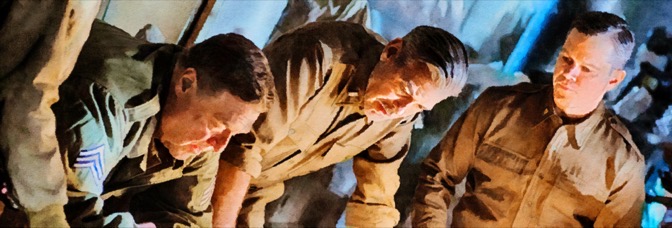
The Monuments Men is cute. It probably shouldn’t be cute, or if it should be cute, it should somehow be more cute. But it’s fairly fubar. The film’s got very little dramatic momentum since it can never find a tone and also because its scenes try to skip over the drama or do whatever it…
-

Why does Thor: Ragnarok open with Chris Hemsworth narrating only for him to stop once the title card sizzles? Literally, sizzles. Ragnarok is delightfully tongue-in-cheek and on-the-nose. Director Waititi refuses to take anything too seriously, which makes for an amusing two plus hours, but it doesn’t amount to much. If anything. When Hemsworth stops narrating–after…
-

The Hobbit: An Unexpected Journey is really long. Director Jackson’s greatest achievement with the film has to be making that length work. He runs out of ideas for action sequences (worst is when he repeats one just a couple set pieces later), he doesn’t give his actors anything to do (he’s more concerned with showcasing…
-

There are a lot of interesting things Woody Allen does with Blue Jasmine–genre shifts, a somewhat fractured narrative style where he reveals lead Cate Blanchett’s past in glimpses–but the most surprising one has to be when she ceases to be the film’s protagonist and becomes its subject. Blanchett sort of shares the picture with Sally…
-

The problem with The Life Aquatic reveals itself quite clearly in the final act, as the cast all gives Bill Murray shoulder squeezes of support. The scene is supposed to mean something profound. It’s Murray confronting not just his Moby Dick (a quest for vengeance lost in the film, maybe because they knew it was…
-

The biggest development, in terms of script, in Indiana Jones and the Kingdom of the Crystal Skull might actually be George Lucas’s fingerprints. Between Last Crusade and this sequel, Lucas created the “Young Indiana Jones Chronicles” television series and introduced the idea of canon to the series. As an example, in Crystal Skull, Harrison Ford…
 The Stop Button