Category: 1998
-

First Date is a sequel episode to Moon Dance, the season three episode where Niles (David Hyde Pierce) lucks into a perfect date with Daphne (Jane Leeves), full of high romance but still entirely safe for the then married character. I mean. From network and pop cultural norm viewpoints. The Maris thing is misogynist. Anyway.…
-

“Frasier” has always walked a really fine line with David Hyde Pierce’s crush on Jane Leeves, never letting it get too creepy—usually keeping Kelsey Grammer around to rein him in or just to have Hyde Pierce and Leeves to have a sincere moment to eschew the romantic—but the joke in the end tag of this…
-
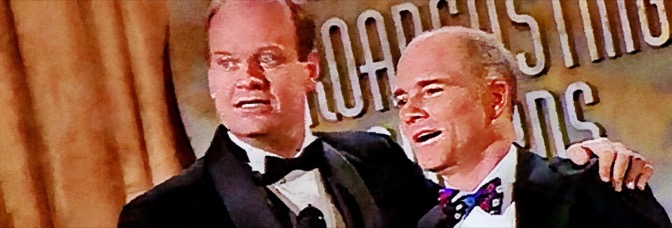
It’s time for the Seabees again—the Seattle broadcasting awards show where the cast can reliably have antics once a season—this time with Kelsey Grammer emceeing the event. We get a lot of exposition real quick—Grammer, Dan Butler, and Peri Gilpin are waiting for coffee. We find out Butler’s nominated too, Grammer and Gilpin don’t have…
-

As much as I’ve liked Billy Campbell over the years, seeing him guest on this episode of “Frasier” reveals his weirdly affable lack of network charm. His timing is just off or something. He lacks rapport with the costars. He’s fine, but he’s not great in what seems like a very Billy Campbell way. And…
-
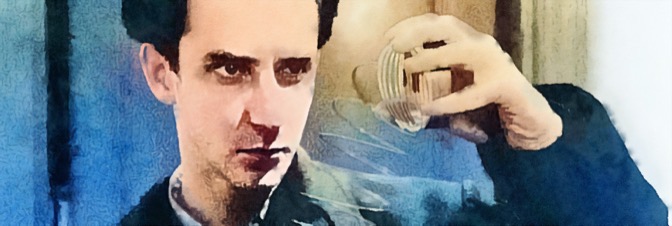
The incredible thing about Pi is how well director Aronofsky is able to compensate for his lead. Pi is about mathematician Sean Gullette discovering a pattern hidden in the stock market—or so he thinks—and trying to navigate the repercussions of his discovery. Wall Street firm lady Pamela Hart is after him for the equation, so’s…
-

I want to know who had the idea to give the Crane family Greek in-laws—well, Greek in-laws once removed or whatever (John Mahoney’s brother, John Mahon, is married to Patti LuPone). Was it David Lloyd, who gets the script credit? Because it’s an inspired idea. And years before My Big Fat Greek Wedding. Throwing Kelsey…
-

While this episode does a great job with Eugene O’Neill references—Kelsey Grammer at one point remarks to David Hyde Pierce they’re brothers out of an O’Neill play (because Hyde Pierce is suffering narcolepsy due to divorce proceeding stresses and Grammer is a sex maniac regarding ex-wife Bebe Neuwirth) and then the title cards all riff…
-

It’s a very fun riff on Midsummer Night’s Dream with confused romantic intentions at a ski resort weekend. There’s a very quick setup with Kelsey Grammer combination guilting and bartering Peri Gilpin’s ski weekend prize away from her—as she’s pregnant and can’t enjoy the weekend, Grammer’s passive aggressive reasoning goes, wouldn’t it be better for…
-

So I missed the penultimate episode because streaming rights or something but I wouldn’t be surprised to find it had more of a conclusive feel than this episode. Something about the one feels like they held it from an earlier airdate and retooled it. Though there was a recent plot point where someone made fun…
-

After a rough opening—with Peri Gilpin trying to gin up interesting callers in a bit where transphobia and ableism are the punchlines—the episode quickly becomes a David Hyde Pierce episode. Kelsey Grammer’s always around, but is always playing support to Hyde Pierce, who gets two great comedy set pieces. John Mahoney gets the subplot, which…
-
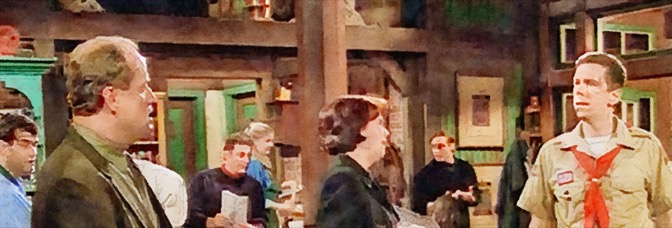
It’s a Bebe (Harriet Sansom Harris) episode, even though Kelsey Grammer fired Harris last time she was on—last season. But it’s only sort of a Bebe episode; she’s still Peri Gilpin’s agent (maybe the biggest offscreen character continuity detail the show’s had to date, actually) and she wants Grammer back as a client, but Grammer’s…
-

It’s an almost entirely middling episode with a great as always guest star performance from Joanna Gleason—she’s married to family values congressman, Jim Haynie, who’s schtupping Godly campaign worker Gina Philips—and they’re getting death threats because Haynie wasn’t pro-gun enough with the Republican party’s white supremacist base. The episode opens with David Caruso on a…
-

It’s a potentially great episode, done in by David Lee’s oddly inept direction during the most important scene—though Ken Lamkin’s photography doesn’t help—and the script. Jay Kogen gets the credit. I’m starting to recognize the new crop of writers on “Frasier” and it’s never for good reasons. The episode resolves one of the show’s longer…
-

The entire episode hinges on Allison Smith’s performance as a Patty Hearst-type who falls in with a post-Waco vengeance militia. Or at least if it were good it would. The performance. The episode’s not bad, with decent guest star turns from Byron Minns as a suspicious ATF agent, and then Linda Carlson and Frank Converse…
-

I don’t know if the laugh track is actually louder in the first scene or if it just seems louder because the laughs seem a whole lot more forced. The episode opens with an inspired flashback to Kelsey Grammer and David Hyde Pierce’s characters in middle school having lunch and being obnoxious prigs, then fast…
-

It’s recognizable guest star week on “Michael Hayes.” Lots of guest stars. Sadly former “Facts of Life” co-stars Meredith Scott Lynn and Charlotte Rae don’t share any scenes. But there’s also the return of Larry Miller—he gets a “special appearance” credit—and does his best Gene Hackman in “The Conversation” (or Gene Hackman in Enemy of…
-

I desperately wanted Joe Spano’s guest spot to be the worst part of the episode. Even as Spano continued to try to chew the scenery, his mouth open, half-chewed chunks falling out all over the place, if Spano were the worst thing… it’d be tolerable at least. Sadly, no, they go full “plans within plans”…
-

“Michael Hayes 4.0” continues with zero emphasis on David Caruso’s character, other than his potential as a righteous savior. And writers Ray Hartung and John Romano (it may be Romano’s best episode or maybe second best, but it’s aces compared to his usual) find a great place for him to save—upstate New York cop Brian…
-

Despite some better than necessary acting from the guest stars and nicely competent direction from Mel Damski (though Damski can’t make the silly black and white flashbacks to last episode work and every time they’re jarring and terrible and there are a lot of times), it’s a reductive conclusion to the big conspiracy two-parter. Given…
-
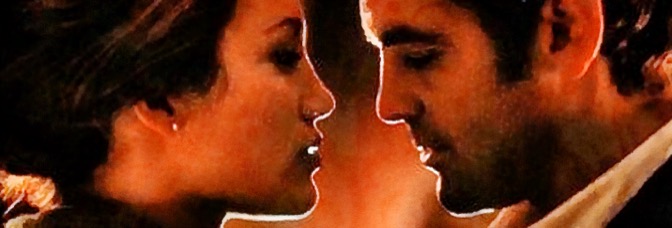
Right up until the third act, Out of Sight has a series of edifying flashbacks, which reveal important facts in the ground situation; almost enough to set the start of the present action back a few years. The film starts in flashback, which isn’t immediately clear, and then the series of consecutive flashbacks builds to…
-

Well, it makes sense why the previous episode closed off two plot threads with big ol’ cop outs—“Michael Hayes” has got a new pair of drivers. This episode adds Michael S. Chernuchin (single writing credit on the episode) and Michael Pressman (director of the episode) as executive producers. Their big idea for what to do…
-

Even with some big cop outs—so big it’s practically another soft reset of the series—it’s either the best or second best episode with show co-creator John Romano’s name in the writing credits. Most of the episode is a “day in the life” of the people working at the U.S. Attorney’s office; more of a few…
-

An episode after I list Anne Kenney as one of the show’s reliable writers, she turns in this whiff of an episode. Obviously it’s not all her fault—there are multi-episode stories and Helen Slater’s guest star arc in play—but even taking those elements out… there’s a lot of problems. Actually, the Slater stuff—while disappointing—isn’t even…
-
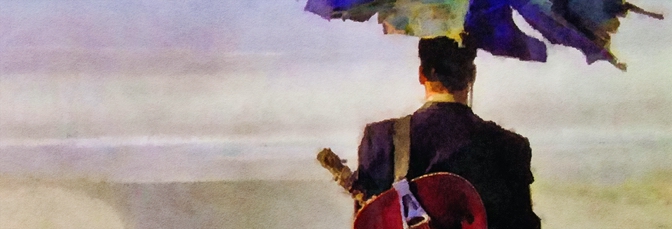
Released in 1998, Six-String Samurai makes the big move of using a very familiar piece of music from the Pulp Fiction soundtrack (Misirlou, which is also the music on the Pulp Fiction trailer) during a big action sequence. It’s not a bold move, because Samurai hasn’t got any boldness. It even walks back being tough…
-
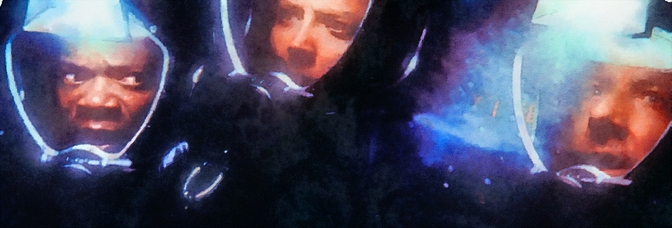
Sphere is not a justifiable use of eighty million dollars. I don’t think you could justify spending a dollar to rent a copy to watch, much less eighty million of them to make the thing. The big problem is the script. Whatever Kurt Wimmer (ominously credited with “adaptation”), Stephen Hauser, and Paul Attanasio did to…
-
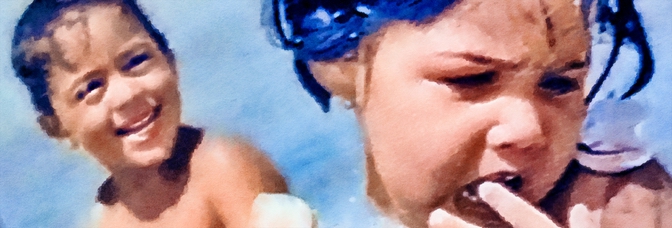
Pierre Paolo is a five minute short, set in a seaside Italian town. It opens with a simple, handwritten title card, then there’s a montage of the town set to classical music. The action rests on an old woman (Filomena Paletta) sitting on some stairs. Text appears across the bottom of the frame, explaining she’s…
-
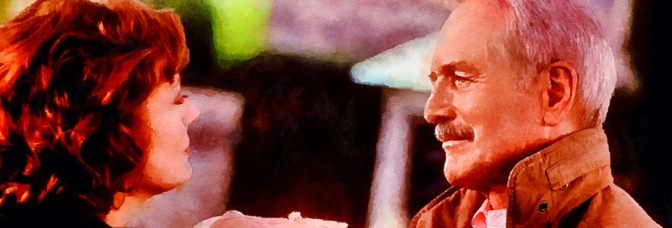
Unfortunate bit of trivia to start us off—Twilight is supposed to be called The Magic Hour, but just around the time of release, Magic Johnson’s high profile (and quickly cancelled) TV show had the same title and they changed the movie’s title. Titles are both important and not. They definitely establish a work’s intention—you may…
-

Misfire of a star vehicle for Wesley Snipes, though not through any fault of his own; he’s well-cast as the Marvel Comics vampire hunter, it’s just the insipid script (by David S. Goyer) is bad and Norrington’s downright silly and inept direction is even worse. Also the supporting cast is mostly godawful–Stephen Dorff and Donal…
-

Once again… I’m wondering how long it takes for “Becker” to start getting really good. I remember it being really good at some points. Like whole seasons. This episode’s all about the streetlight outside Ted Danson’s apartment flickering and him trying to get it fixed. He’s not going to get the city to do anything…
-

Writer Ian Gurvitz starts off with a bad joke at Alex Désert’s blind guy’s expense, which Désert doesn’t really essay very well either. Funny how the Becker (Ted Danson) rant was the most distinguishing thing in the first three episodes—at least recurring distinguishing thing—and now it’s tired and we’re only six episodes in. Who knew…
 The Stop Button