Category: 1947
-
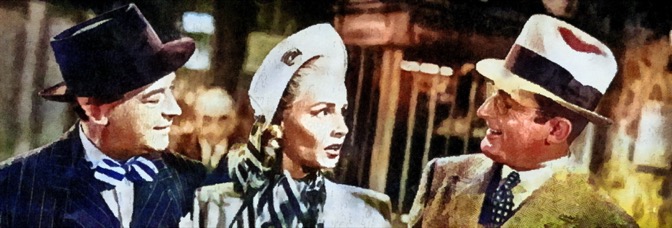
The best scene in The Fabulous Dorseys is the jam session with Art Tatum. It’s the only time in the movie about jazz there are Black people, and it’s the only time the movie really lets The Fabulous Dorseys be fabulous. The film’s a biopic about band leaders brothers Tommy and Jimmy Dorsey, who play…
-
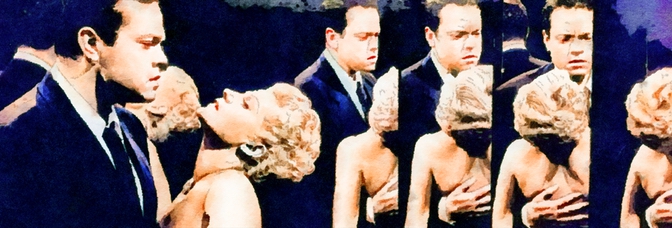
Singular film noir from Welles. It’s a family affair, with Welles writing, directing, acting and then wife Rita Hayworth playing the female lead. She’s the gorgeous, married rich woman, he’s the able-bodied Irish sailor. The film’s peculiarly, intentionally told tale of lust, hatred, and murder. Everett Sloane’s phenomenal as Welles’s boss and Hayworth’s husband. Some…
-

Vapid multigenerational Irish family epic about Oliver Parker, Dennis Price, and Dermot Walsh running the family copper mine and having to contend with the locals. Margaret Lockwood plays the woman who enraptures the first generation of sons, which leads to the problems for the next generation’s. Runs just under 100 minutes, has about a scene…
-
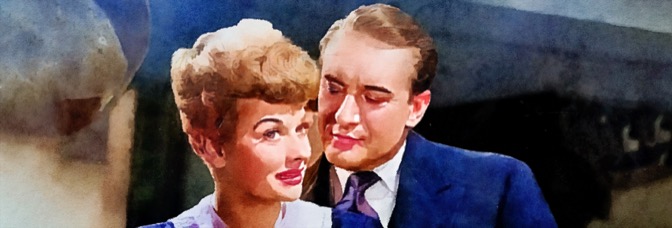
If Lured had gone just a little bit differently, it could’ve kicked off a franchise for Lucille Ball and George Sanders. He’s the high society snob, she’s the New York girl in London, they solve mysteries. But Lured isn’t their detective story; it’s Charles Coburn’s detective story, they’re just the guest stars. Coburn’s a Scotland…
-
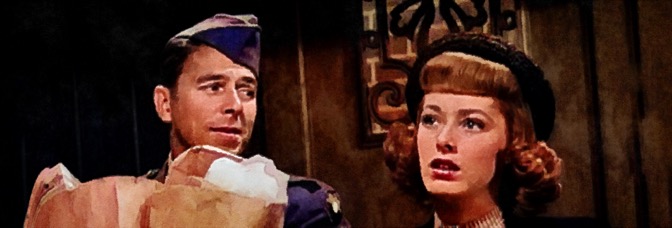
The Voice of the Turtle runs an hour and forty minutes. There’s a split about forty minutes in and, in the second hour, leads Eleanor Parker and Ronald Reagan are playing slightly different characters. Screenwriter John Van Druten adapted his play (with additional dialogue from Charles Hoffman) and had to “clean things up.” The play…
-
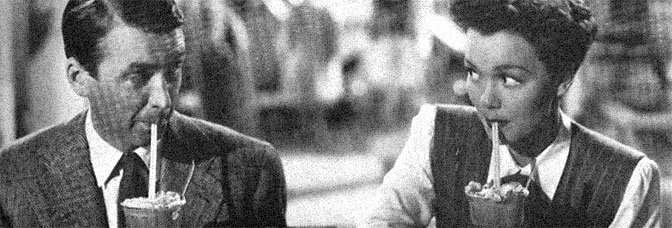
Magic Town is too much of one thing, not enough of another, but also not enough of the first and too much of the latter. There’s a disconnect between Wellman’s direction and Robert Riskin’s script. While Wellman can handle the broad humor of the script–there isn’t much of it and it stands out like a…
-
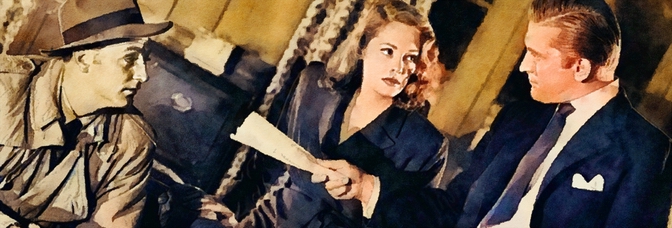
Out of the Past always has at least two things going on at once. Not just the double crossings, which is so prevalent lead Robert Mitchum even taunts the bad guys with it, but how the film itself works. Daniel Mainwaring’s script–which gives Mitchum this lengthy narration over a flashback sequence–gives the impression of telling…
-
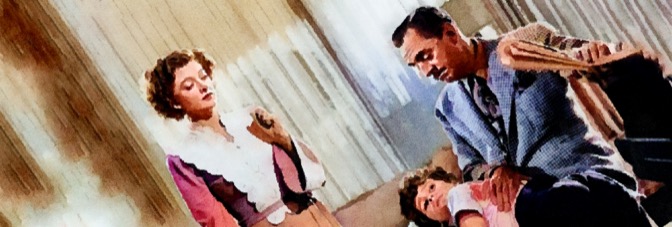
Song of the Thin Man has a lot of strong sequences and the many screenwriters sting them together well enough, but can’t figure out a pay-off. Some of the problem seems to be the brevity–while director Buzzell does an adequate job and Charles Rosher’s cinematography is good, none of the scenes end up having much…
-
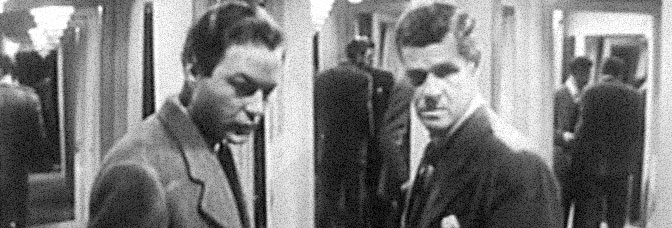
Fear in the Night shows just how far something can get on the gimmick. Bank teller DeForest Kelley wakes up one morning from the dream he killed someone. He then discovers evidence of his crime and, as he suspects he’s going mad, starts going a little mad. If not totally mad, he does make some…
-

Boomerang! is a mess. The first half of the film is a misfired docudrama, the second half (or so) is a fantastic courtroom drama. Richard Murphy’s script is such a plotting disaster not even beautifully written scenes and wonderful performances can make up for its problems. And director Kazan doesn’t help. He embraces the docudrama…
-
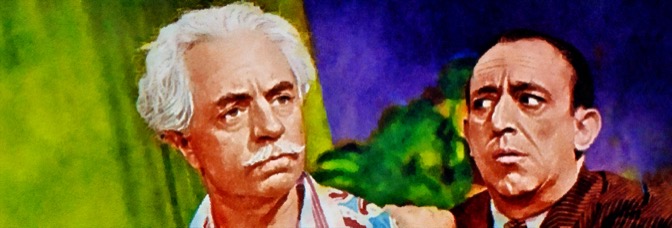
The Senator Was Indiscreet is a fun enough little film. It’s little for a few reasons; sadly, the primary one is the budget. Enough of the film takes place in William Powell’s hotel room, one would think it’s a play adaptation. The story is more ambitious than the finished film can realize. Powell’s a dimwit…
-
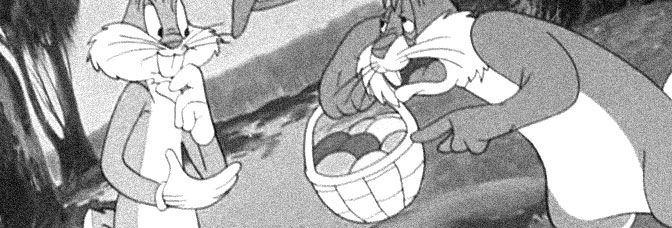
I’m sorry, I think I missed something… did Bugs Bunny just kill the Easter Bunny? Or did he just maim him? Easter Yeggs ought to be a lot better. It’s got an Easter Bunny who conspires to get out of his duties on an annual basis by acting emo, it’s got Elmer Fudd and it’s…
-
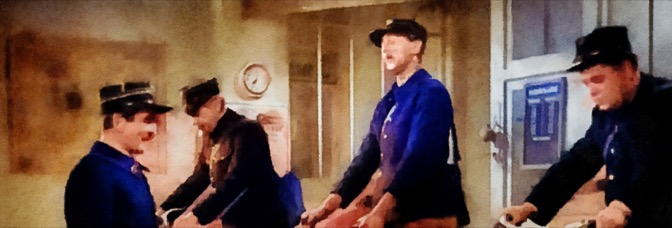
There’s a lot of physical humor in The School for Postmen. Not falling down or stumbling or whatnot, but Tati setting up elaborate physical action–for example, a bicycle getting away from its rider, who gives chase. Tati plays the rider, a provincial postman, who shortcuts the bicycling postmen’s rules. Some of these shortcuts are ingenious,…
-
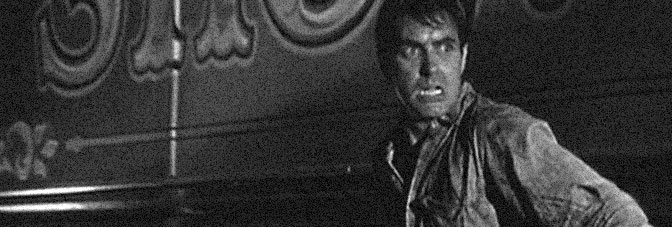
Nightmare Alley is–or should be–a cautionary tale about the dangers of foreshadowing and being really cute about it. The end of the movie is forecast in the opening scene, then again in the third or fourth scene–hammered in for those who weren’t paying enough attention the first time. The second time key phrases are dropped…
-
Spoilers of the North takes a hard look at the seedy underbelly of salmon poaching in Alaska. I just had to write that sentence. Spoilers is a non-studio B-picture from the mid-1940s and, though I may never have seen anything equitable, it’s probably as good as it can be for what it’s got. The direction…
-
I’ve only seen The Ghost and Mrs. Muir once before, but I remembered the resolution, so I’m thinking it probably made the entire experience unenjoyable this time through. There are only a handful of similar films and usually it’s a gimmick ending, but with The Ghost and Mrs. Muir, the storytelling falls apart. The film…
-
Strange experimental piece from director Ford about a fascist South American country hunting and executing its Catholic priests. The principal actors are almost entirely White, the extras native Mexicans (the film is shot on location in Mexico), which often disappoints, particularly with lead Henry Fonda and J. Carrol Naish. Fonda’s just too earnest whereas Naish’s…
-
Godawful romantic quadrangle picture about irresistible composer Errol Flynn (maybe it’s the lederhosen, the film’s ostensibly set in 1900 Vienna) cheating on wife Ida Lupino with brother Gig Young’s fiancée Eleanor Parker. Parker’s lost as the villain, Flynn and Lupino are both terrible and competing for who can be worse; Young’s okay enough, all things…
-
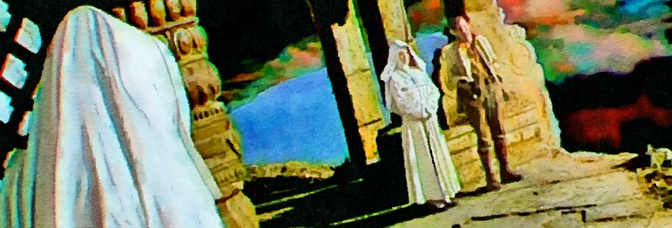
One of a kind picture from Archers Powell and Pressburger–in terms of story and visuals–about Deborah Kerr’s group of nuns establishing a convent in the Himalayas. They soon find themselves in conflict with nature and each other, as the pristine environment invokes various feelings–jealousy, pride, lust, love–all while constrained by their vocation and location. Great…
 The Stop Button