The Stop Button
blogging by Andrew Wickliffe
Category: ★★½
-
The first twenty-five minutes of The Thomas Crown Affair is a bank heist. Starting with its planning. After opening titles suggesting the film is about stars Steve McQueen and Faye Dunaway doing fashion advertising, we meet future wheelman Jack Weston. Weston gets hired by a mystery man to do a job. We jump forward in…
-
Even when The Odd Couple plods, it never feels stagey, which is impressive since it’s from a stage play (Neil Simon adapted his own play), it mostly takes place in the same location, and many of those sequences are just stars Walter Matthau and Jack Lemmon following each other around and bickering. The one thing…
-
For the first half or so, The Childe ostensibly has three lead characters. The protagonist is Kang Tae-ju; he’s a half-Korean, half-Filipino illegitimate son of a Korean rich guy. Life has sucked, leading to Kang becoming an underground boxing champ (which has so shockingly little to do with the movie it’s like they forgot it…
-
The Magnificent Fraud tells the unlikely tale of an actor on the run who just happens to be in the right place at the right time for the role of a lifetime. Akim Tamiroff’s stage actor’s enjoying a residency of sorts in San Cristobal’s hottest nightclub, one maybe owned by the president’s troubleshooter, Lloyd Nolan.…
-
In the Line of Fire is about bad use of taxpayer funds. President Jim Curley is on the campaign trail, trying to shore up support in ten states in nine days or something, and his chief of staff, Fred Thompson, doesn’t want to listen to any nonsense from the Secret Service about a viable threat.…
-
Theater Camp is a mockumentary, but doesn’t really need to be one. The occasional title cards set some of the stage (no pun), but the documentarians don’t just not exist in the film—their subjects don’t even acknowledge they’re being filmed. And it’s about a bunch of theater kids and theater adults—and social media influencers—so you’d…
-
Besides the unfortunate special effects execution (the conceptions are fine), the only thing wrong with Beast from Haunted Cave is the title. And, I suppose, some first-act budgetary shenanigans—the movie’s about Frank Wolff’s crew knocking off a gold reserve in a mining town and heading across the mountains on skis to escape, and they have…
-
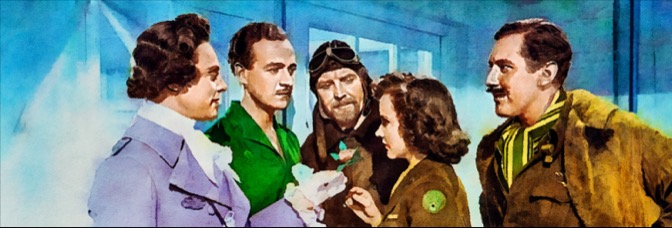
A Matter of Life and Death suffers the unusual condition of being too good for its own good. Writing, directing, and producing team Powell and Pressburger (The Archers), along with their crew and much of their cast, do singular work on Matter. Jack Cardiff’s Technicolor is so breathtaking a character can get away with commenting…
-
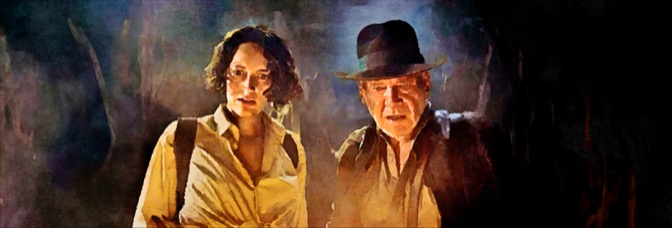
Dial of Destiny opens with a very long prologue flashback to 1945, setting up Harrison Ford (a CGI-de-aged Ford) having Toby Jones as a best buddy in the forties during the war and running afoul of Nazi scientist Mads Mikkelsen. The flashback’s technically successful; de-aged Ford looks pretty good (the eyes are off, and the…
-
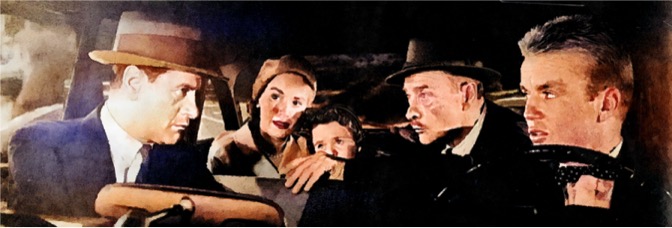
The Lineup is a spin-off of a TV series, an adaptation of a radio show. What is the difference between spin-off and adaptation? The movie has some of the same actors as the TV show, while the radio show didn’t share stars with the TV series. The movie came out before the series was even…
-

While One Touch of Venus only runs eighty-two minutes, it manages to do three sets of romantic arcs. It’s able to fit them all because lukewarm towel and ostensible lead Robert Walker disappears for long stretches of the movie. Sometimes Walker goes so Dick Haymes can serenade Olga San Juan; sometimes he goes so the…
-

Not counting the ill-advised, if still not wholly unwelcome epilogue, What’s Love Got to Do with It ends about ten years before the film came out. Love’s a biopic of Tina Turner (played by Angela Bassett except for the adorable then rending prologue), almost entirely focusing on her time with Ike Turner (Laurence Fishburne). Just…
-
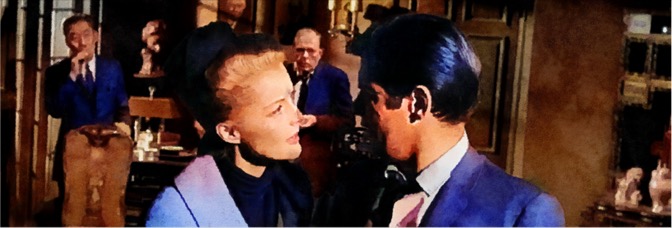
Writer, director, and producer Fuller ends Shock Corridor’s main plot so quickly, it’s like he’s in a hurry to get to the epilogues. Except the epilogues are where Corridor falls flat and doesn’t have the time to get back up. As the film progresses, Fuller makes some significant achievements and builds up such an incredible…
-
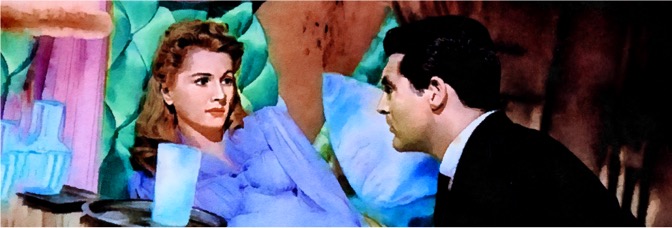
Suspicion is a peculiar picture, both in terms of content and context. It’s one of those Hollywood pictures from late 1941, before Pearl Harbor, but it takes place in England, which was already in the war. So it’s set before the war. It’s an all-British cast (not to mention director Hitchcock) making an American film,…
-
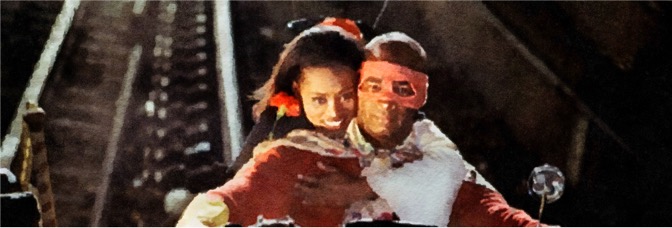
Blankman is surprisingly good. Even after showcasing its initial strengths, then taking a second act tumble, the movie picks itself up for a strong finish. Given the subject—a neurodivergent-coded man becomes a superhero—there are plenty of poorly-aged, ableist jokes. But the jokes made at hero Damon Wayans’s expense always say more about the teller, with…
-

On the Riviera ends abruptly. The film promises an amping-up of its mistaken identity, only to immediately chuck it and do another musical number. It’s a solid musical number, but the film was on the rise with the comedy. It was about to get really good. The ending features a double scene for star Danny…
-
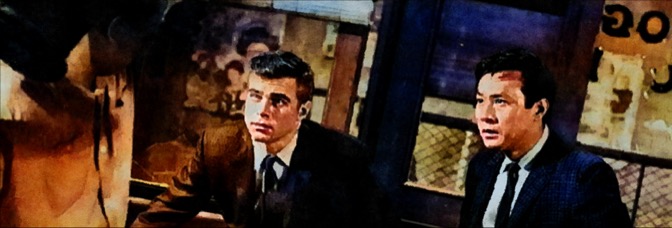
The most gracious explanation for The Crimson Kimono’s politics are it takes place in a universe where the U.S. didn’t concentrate 125,000 plus American citizens in camps during World War II. Even in that universe, there are problems, like white people Glenn Corbett and Victoria Shaw gaslighting Asian guy James Shigeta about his ability to…
-
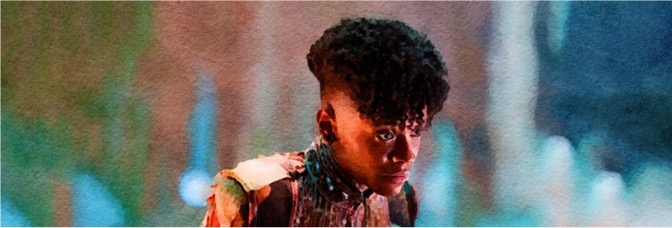
Not to mix metaphors or cross franchises, but Black Panther: Wakanda Forever is a Herculean effort from director Coogler and his co-writer Joe Robert Cole. It’s not quite a Herculean success, but it’s a success, which is more than enough given the numerous constraints they’re dealing with. First and foremost, the unexpected, tragic, and real-life…
-
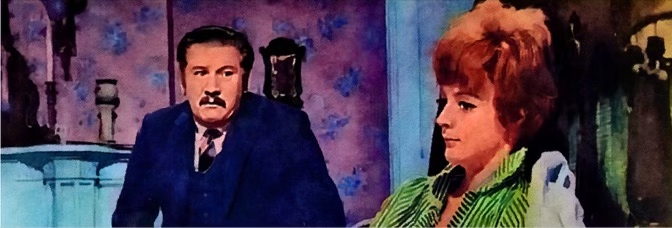
Hot Millions is an entirely amiable, often charming light comedy about career embezzler Peter Ustinov’s attempt to keep embezzling in the computer age. The film starts with Ustinov getting out of prison, late for his exit because he’s busy doing the warden’s taxes. He was caught by the computer last time, and he’s out to…
-
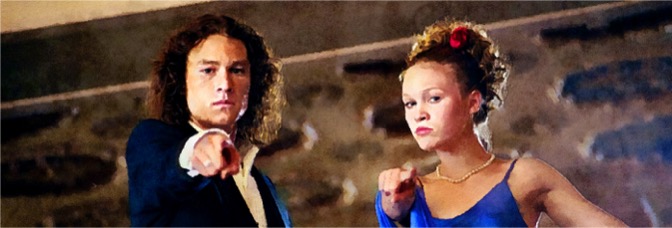
10 Things I Hate About You is from that strange period in American mainstream filmmaking when they knew you couldn’t make too many jokes about high school girls anymore, unless you establish at least twice they’re eighteen so it’s not technically illegal. There’s also the issue of Andrew Keegan’s sexual predator, who the film treats…
-

Emergency Declaration is a disaster movie made like a horror movie. It’s not just any disaster movie, either; it’s Airport meets Airplane but with bioterrorism. The bioterrorism doesn’t have to do with the horror movie; it’s all the investigation procedural. The horror movie experience is entirely reserved for the victims (and the audience). Declaration doesn’t…
-
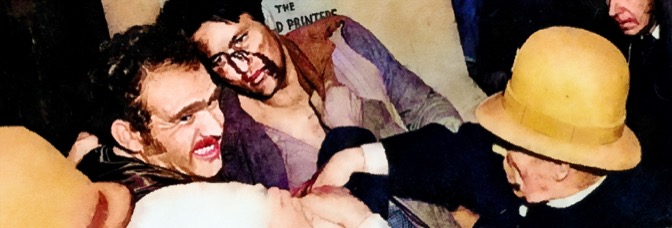
Writer, director, and producer Fuller is very committed to the bit with Park Row. He almost pulls the film out of its spiraling third act with an audacious epilogue, which ties back into the opening, with its (uncredited) narration setting the scene. The year is 1886, the place is New York City, and there live…
-
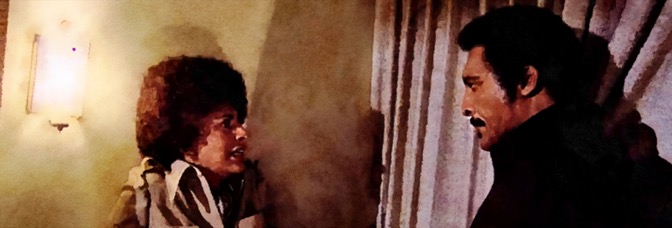
Scream Blacula Scream has a dreadful moment during a crucial sequence, and even though the film takes the hit, it somehow can build up almost enough goodwill—in mere seconds—it could easily succeed. The ending’s a little too confused, though, with a very questionable end credits song and design. But the film’s excellent throughout, surviving a…
-

The Big Sick is the true story of lead and co-writer Kumail Nanjiani and his wife, also co-writer Emily V. Gordon. Nanjiani plays himself in Sick because it’s a star vehicle explicitly for him. Gordon doesn’t appear. Zoe Kazan plays her. Gordon co-writing the film adds a couple of extra layers to the film; the…
-

Beans is an almost outstanding, always pretty good coming-of-age story with a historical event weaving its way through the narrative. The film tracks Indigenous Canadian tweenager Kiawentiio over summer 1990. The film starts with her interviewing to go into a prestigious (and very white) high school, setting up a contrast between her actual name (Tekehentahkhwa)…
-
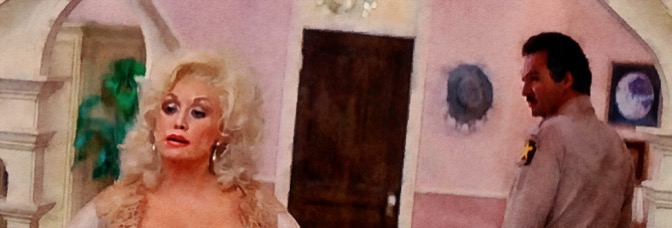
The funny thing about The Best Little Whorehouse in Texas is how much doesn’t actually work and how much of it appears to be entirely director Higgins’s fault. Higgins is no good at storytelling in summary (affable but bland narrator Jim Nabors can’t be helping things), and the musical numbers suggest he’s more an occasionally…
-
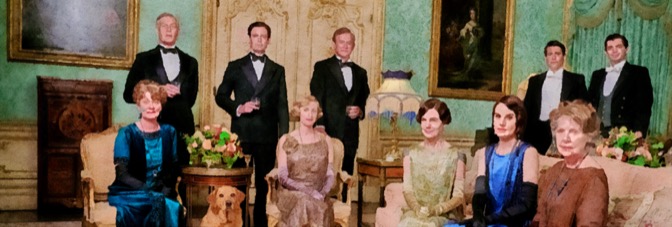
Downton Abbey, the film franchise, has some singular traits (they’re not all problems); most of them related to it being an immediate sequel to a television show, but also the television show’s viewer demographics. Thanks to those demographics, A New Era can get away with a slightly disingenuous subtitle—it’s more of a “sure, maybe, come…
-
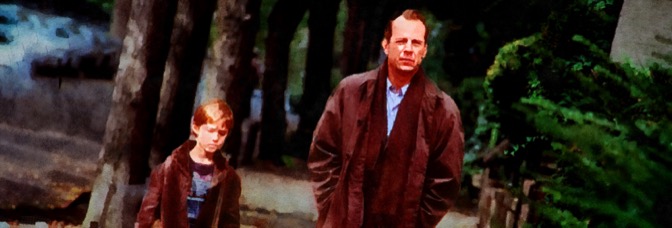
Setting aside the twists and reveals, The Sixth Sense is about three character relationships. There’s child psychologist Bruce Willis and troubled youth Haley Joel Osment, there’s Osment and mom Toni Collette, there’s Willis and wife Olivia Williams. The film opens with Willis and Williams celebrating him receiving an award for his work, which she thinks…
-
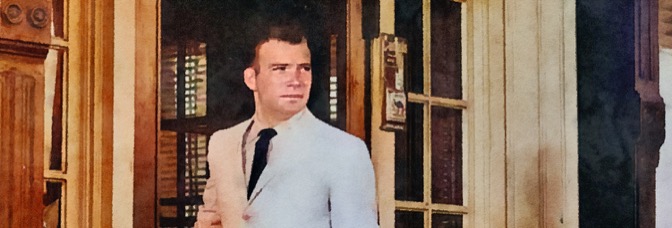
The Intruder has third act problems of the deus ex machina nature, and they’re actually welcome. If the film figured out how to finish better, it’d be more challenging to talk about. It’s already an exceptionally unpleasant experience. William Shatner gets top-billing as the title character. He’s a slick, charming, clean-cut Northern (well, Western—he’s originally…
-
Star Trek: The Motion Picture: The Restored Director’s Edition occasionally feels like a fan project. Or at least a temp project. Like the new opening titles, set in gold. They look like they were done using an iPhone app. Then there are shots where they couldn’t find the original materials, so the picture suddenly looks…
 The Stop Button