Category: ★
-
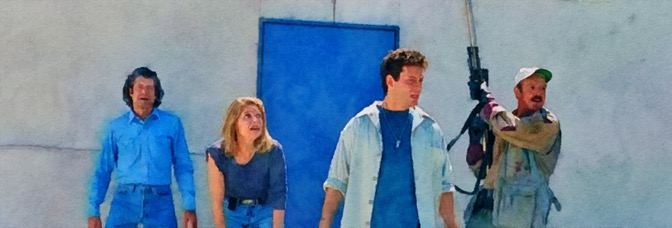
I remember when Tremors II first came out. I believe it was on the heels of a special edition laserdisc of the first film, but it might have been at the same time. Universal made a lot of direct-to-video sequels in the 1990s, but Tremors II was a little different. First, it was an actual…
-

Loathe as I am to be glib about a director like Arthur Penn, Dead of Winter comes off like a TNT Original Movie. Penn proves himself–with the exception of maybe one scene and even then it’s awkward because it’s Arthur Penn using Steadicam–almost completely inept at directing a thriller. The script’s hardly anything special and…
-
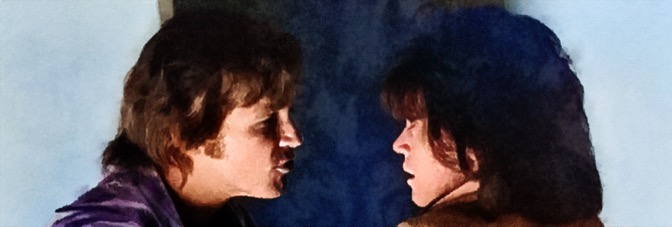
The Morning After is an awkward combination of thriller and adult drama. As a thriller, with Paul Chihara’s enthusiastic and bombastic score, it’s frequently annoying. Jane Fonda can scrub a crime scene of every thread of evidence, but the simple things–like dropping a succeeding lie or leaving all her personal belongings for the police to…
-

Besides opening with that long, awkward and confusing title, Butterfly on a Wheel opens a lot like a 1980s thriller would. Robert Duncan’s score is quite effective throughout the film, but during the opening titles–knowing very little about the movie–I think I got a little more hopeful than I should have. Butterfly takes place over…
-

It’s James Whale’s “Gilligan’s Island,” only with more rear screen projection, as a plane crash in the Pacific brings a varied bunch together on a tropical island. It’s a boring sixty-five minutes–the script’s real stagy, with a two or three week (there’s a lot of problems with time) break in the middle, with the second…
-

At its best, In Good Company is never very good–the soundtrack is one of the worst I can remember–but Chris Weitz’s ineptitude is something to behold. His plot is predictable, his characters are boring, and everything feels like it’s been done before. I mean, who would have thought Dennis Quaid would have found out his…
-

Taxi 2 is a sequel in the least artistic, but possibly most admirable way. It picks up an indeterminate time after the first movie, doesn’t deal with the first movie’s conclusion (Samy Naceri becoming a race car driver), and doesn’t really have a story. Instead, it opens with a car chase, then some humor, then…
-

Hollywoodland is not a narrative mess. It’d be a far more interesting (and far less boring) two hours if it were. Instead, Paul Bernbaum’s plotting is intentional and considered. Neither Bernbaum nor director Allen Coulter seem to understand the problems with having two protagonists, not having anything to do with each other, juxtaposed for a…
-

A Good Lawyer’s Wife is beautifully directed. Im shot it Super 35 (full frame, then cropping it down to 2.35:1) and he uses a lot of steadicam, creating these fragile, exquisite compositions. Usually when I kick off with a description of the excellent technical filmmaking, it isn’t a particularly good sign. This one is no…
-
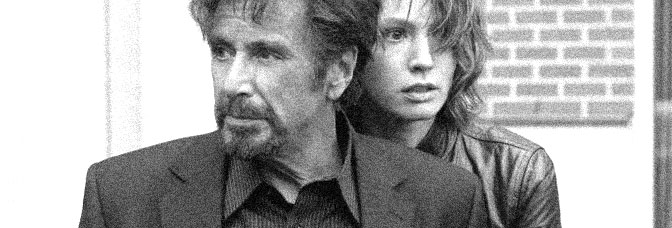
Al Pacino has reached the point William Forsythe has supporting roles in his movies. That facet just about sums up 88 Minutes, which would have been a great late 1990s Dimension movie, maybe even with Pacino, and all those young actors Miramax had on call (I’m thinking it would have been most effective with Neve…
-

It’s rare and relatively modern to come across the film where the ending can ruin it. The surprise ending as opposed to the natural narrative progression. They rarely work. I’d read The Mist had a controversial ending, which, watching the last minutes of the film, I assumed referred to the incredibly bold thing Darabont does.…
-
If Dangerous Game were an American movie from the 1980s, Steven Grives’s jerky cop turned psycho killer would undoubtedly be a Vietnam vet. Since Game is Australian, he’s not. Instead, with no explanation of mental trauma in his past given, he’s just from Ireland. That’s it. Nutso cop is an Irish immigrant to Australia. Some…
-
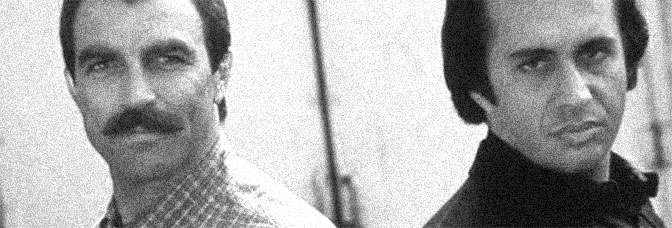
Given the star and the director, it shouldn’t be surprising Runaway is rather conservative. And, given the endless kissing montage over the end credits, it also appears to have been geared toward female viewers (but with Selleck, that one isn’t a surprise either). As science fiction, Runaway is very, very safe. It’s an unexciting safe.…
-
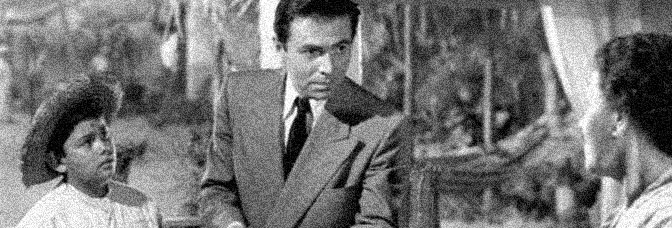
Here’s a goofy one–the title also could be The Doctor in the Sombrero–with James Mason as a mob doctor who makes off with two hundred grand and the boss’s girl, only to end up in rural Mexico, healing horses. It’s all pretty standard stuff, down to the excursion to Mexico, but Mason and Dan Duryea…
-
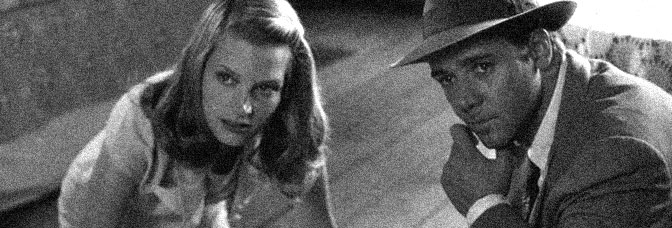
Rough Magic isn’t a bad idea, it’s just poorly plotted. Most of the movie takes place in Mexico, where it’s mildly engaging and generally amusing (except when Paul Rodriguez shows up to annoy and he is incredibly annoying). Notice all the qualifiers? The movie starts strong and even gives the impression of ending strong (it…
-
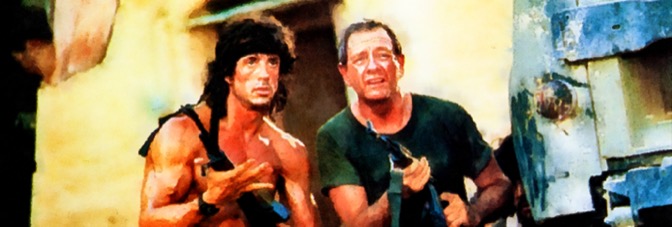
According to IMDb, Rambo III was the most expensive movie ever made at the time of its release. It shows. Enormous sets, lots of vehicles–Rambo versus a helicopter, Rambo versus a tank, Rambo in a tank versus a helicopter. For all the money, it ought to look fantastic–except director Peter MacDonald, a camera operator and…
-

I thought there were no anti-conservative Hollywood films for a long while after 9/11, so I guess Runaway Jury went under the radar. It appears to have been a significant bomb and, watching it, it seemed strange to see John Grisham’s name on screen. It’s been a long time since adaptations of his novels have…
-

So, Now You Know is an odd mix. It’s one part romantic comedy (where the problems between Jeremy Sisto and Rashida Jones aren’t just conveniently solved, but shallowly too), one part talking comedy a la Clerks, and one part low budget inventive movie. The last part is the most interesting–Jeff Anderson gets some familiar faces…
-
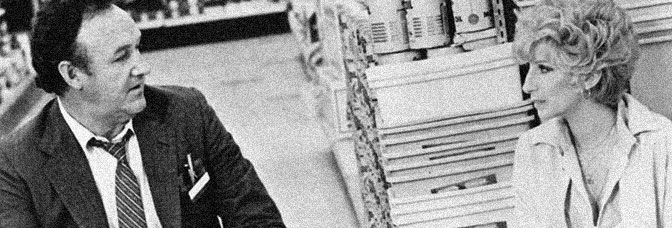
There’s a certain tragedy about All Night Long. Not the film’s story or anything, but the film itself. It’s a debacle–Barbara Streisand is unbelievably terrible and the cuts made to the film (twenty minutes) significantly damage it–a painful to watch debacle. It’s such a chore to get through, I can’t imagine trying to watch it…
-
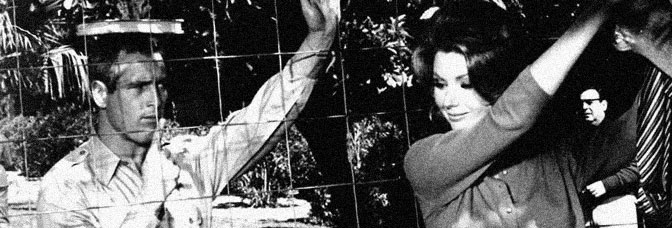
Paul Newman can’t play stupid. Harry Frigg is, for the first thirty to forty minutes of the movie, stupid. Even after he’s not stupid anymore–Sylva Koscina, quite believably, inspires him to improve himself–Newman’s stuck with the dumb, New Jersey from a Planters Peanut commercial accent. It doesn’t bother much in the scenes with Koscina, since…
-

Japanese manga adaptations tend to be absurd–at the same time amateurish and sublime, as all the actors in Battlefield Baseball keep a straight face throughout. The movie’s low budget, so very few of the punches connect and waiting for Versus’s Sakaguchi to have similar, beautifully choreographed fight scenes (even with Kitamura producing) is in vain.…
-

I’m having a hard time deciding where the start with Death Wish. I wanted to open with a glib comment about how much I appreciated (even though it’s counter to some expository dialogue in the film) more of the criminals being white than black. Very progressive (or cautious) for 1974. But then I thought maybe…
-

The premise behind The Killer That Stalked New York (shouldn’t it be Who?) is almost beyond goofy. The movie mixes one part film noir and one part medical thriller and… I mean, I don’t even know what to say about the story. It’s such a ludicrous idea (the fate of the city, under threat from…
-

Clocking in at a whopping ninety minutes, Ruthless People feels a tad undercooked. Lots of trailer-ready sequences, lots of memorable moments, nothing to really connect them. The ZAZ directing team (it’s probably been sixteen years since I’ve thought about them) is adequate, but they don’t really direct actors very well here, so the casting goes…
-

It’s amazing anyone could screw up The Bonfire of the Vanities–and I’m only making that statement based on the movie and the material in it (never having read the book)–but if anyone was going to do it, adapter Michael Cristofer is the one to do it. When the movie started–it has a beautiful opening title…
-

Taxi benefits greatly from its length–eighty-six minutes–and from Besson’s general understanding of how to amuse an audience. He does it to some success in his American films (a rather limited one, but he manages to create likable characters and not bore the viewer), but with Taxi, he does a lot better. The main selling point…
-

I’m a fan of Warner Bros.’s old hour-long b-movies, so I found The Last Ride particularly distressing. It’s not poorly directed–Lederman even has one or two really good shots–and the writing, at least scenically, isn’t bad. There are some funny moments and the teaser is excellent. It all falls apart pretty quickly, however (it is…
-

Occasionally, I feel like the English language doesn’t allow for–without a lot of adjectives–a reasonable description of something. In this case, I can’t possibly describe the heights of stupidity License to Kill’s screenplay reaches. I mean, for a film to feature a South American drug kingpin with a base more appropriate for Dr. No, it…
-
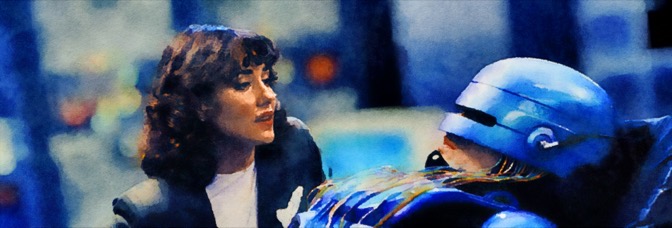
I remember in 1991, when I was visiting a friend and he showed me the Robocop movies (there were only two at the time, of course)–I’m tempted to go on a tangent about when one could still show someone movies… you kind of lose that opportunity with adulthood, then you just get to recommend. Anyway,…
-
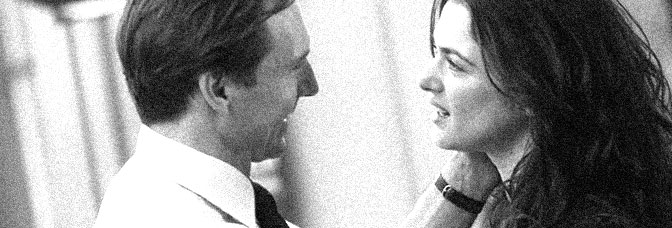
With two major exceptions, The Constant Gardener is defined by what it is not rather than what it is… It is not a thriller, it is not a mystery, it might not even be a narrative. It is a (justified) condemnation of Western pharmaceutical companies–with Western government’s express permission–treatment of sick African peoples. It’s also…
 The Stop Button