Category: Film
-

No Highway in the Sky has a peculiar structure. It starts with Jack Hawkins; he’s just starting at a British aircraft manufacturer and, during his tour, meets scientist James Stewart, who’s hypothesized a catastrophic, inevitable failure for the latest, greatest plane. Stewart’s convinced the tails will rattle off the planes, which are made with a…
-
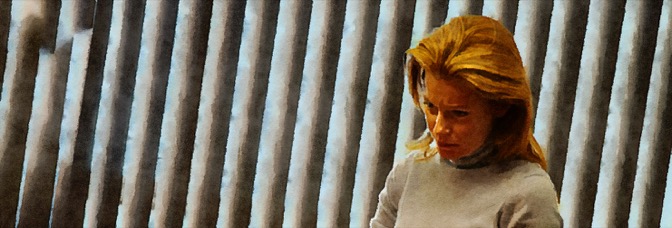
There’s a lot to say about Every Secret Thing and nothing to say about it. And some things can only easily be phrased as complimentary insults, like Rob Hardy’s photography is valuable because the movie’s an object lesson in how not to photograph a film. Or how director Berg’s a great example of why a…
-

Doctor Strange and the Maddening Mouthfuls of Multiverses is barely a sequel to the original Doctor Strange outing, which is fine; the original was six years ago, and star Benedict Cumberbatch has gotten more mileage out of his non-solo appearances. However, given it’s a sequel to the Disney Plus show, “WandaVision,” which was a deliberate,…
-

Cyrano has good production design from Sarah Greenwood and costumes by Massimo Cantini Parrini. And there’s one time Ben Mendelsohn doesn’t seem terrible. And I suppose his musical number is the most personality the film ever shows because it’s like a really shitty Disney number, like a “Disney’s jumped the shark with that one” type…
-

Them! combines Atomic Age giant monster sci-fi and “by the book” police procedural, with a little (too little) war action thrown in. Nine years after the atomic bomb tests in New Mexico, residual radiation has caused common desert ants to grow to enormous sizes. In their hunt for sugar, these ants quickly have become carnivores,…
-

From Dusk Till Dawn doesn’t have any great performances; it has a bunch of decent ones, a couple good ones, thankless ones, middling ones, bad ones, maybe problematic ones, but no great ones. And it could use a great performance because the script’s full of scenery-chewing dialogue courtesy second-billed Quentin Tarantino. Tarantino writes a movie…
-
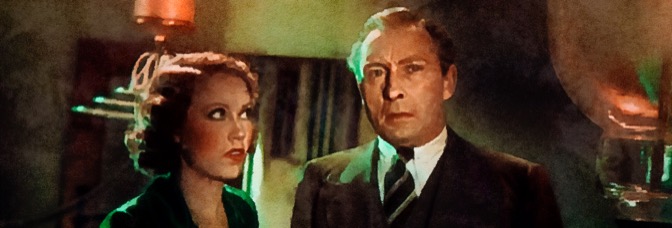
Doctor X has pretty much the wrong prescription for everything. After a genuinely creepy first act, which has police autopsy consultant Lionel Atwill telling the cops the only place a monthly serial killer could get a particular scalpel is at Atwill’s school and then giving them a tour and everyone there being in some way…
-
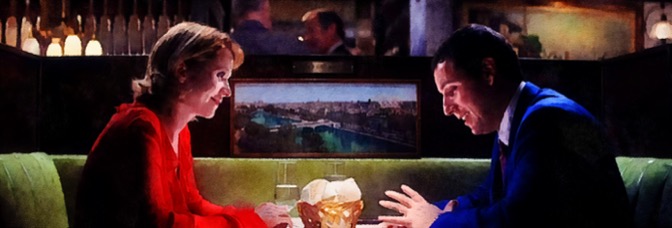
There are probably better movies with seven-minute end credits than Punch-Drunk Love but I doubt there are any where those seven-minute end credits are padded to give the film a more respectable run time. Punch-Drunk Love is an approximately eighty-eight-minute marathon where writer and director Anderson hones in on his protagonist, played by Adam Sandler,…
-

The first rule of the The Batman is the most interesting thing about Batman is Batman, so new Batman Robert Pattinson spends his time in the costume, with only a handful of scenes moping around as Bruce Wayne. The second rule of The Batman is “show, don’t tell,” which is strange since the third is…
-

Snoopy, Come Home’s parts are better than their sum. The film’s a number of vignettes, usually set to music, sometimes with songs. Sometimes there’s connective material between the vignettes, sometimes the circus shows up, and it’s time for a new scene. Also, sometimes, the vignettes have a rough cut between them. Not too rough, there’s…
-
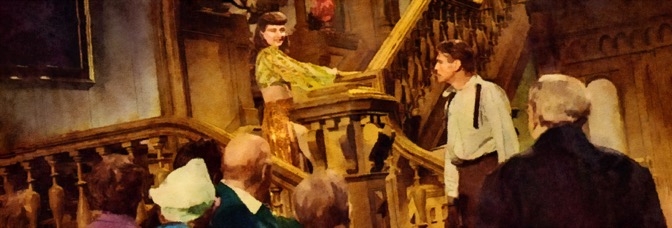
Ball of Fire is a rare delight. It’s got an enormous cast of scene-stealers who all work in unison, thanks to Hawks’s direction but also Charles Brackett and Billy Wilder’s screenplay being so well-balanced. For most of the picture. The third act has two choices, and it chooses poorly but still successfully; I’ll get to…
-

There’s no way to talk about Karate Kid Part III without, pardon the expression, kicking it while it’s down. There are no good performances, no good technical aspects, no interesting writing, nothing. Pat Morita doesn’t humiliate himself, mostly because he seems disgusted at the whole thing, which is at least understandable. The film takes place…
-
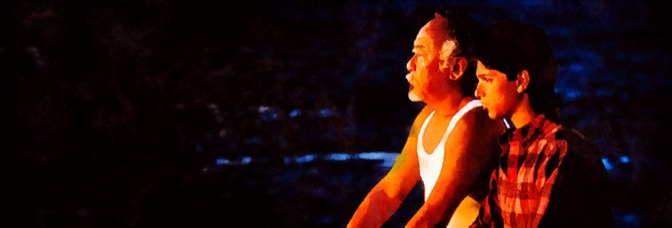
Towards the end of the first act, Ralph Macchio and Pat Morita have a potentially great scene. The best friends have traveled to Okinawa so Morita can see his dying father (Charlie Tanimoto, in a less than nothing part). Morita’s sad, pensively looking out at the ocean, and Macchio’s got some perspective to share. Macchio’s…
-
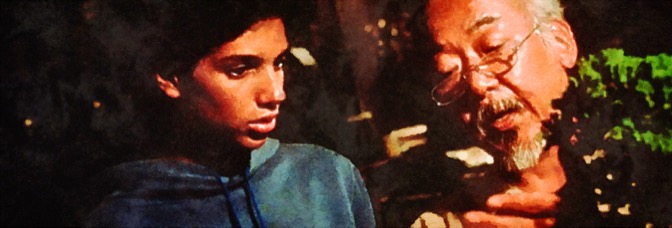
The Karate Kid runs out of movie before it runs out of story. The film’s been steadily improving on its way to the third act, culminating in a showdown between Jersey transplant (to L.A.) Ralph Macchio and his bully, William Zabka. There’s a lot of angst to the rivalry; they first tussled when “alpha” Zabka…
-
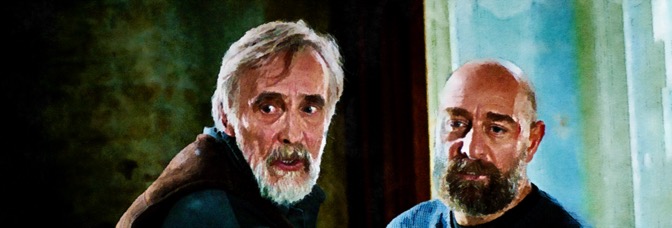
Tangerines has such a profoundly straightforward plot and limited cast I expected it to be a stage adaptation. It’s not; writer and director Urushadze just knows how to perturb character development without theatrics. The film’s about the War in Abkhazia, but its protagonist isn’t Georgian or Abkhaz, rather an Estonian. The film itself does a…
-
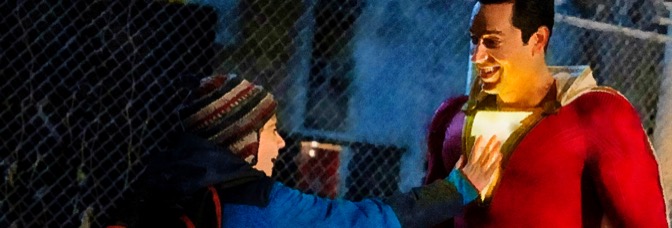
At its very best, for a few minutes Shazam! seems like a Wes Anderson-esque superhero movie gone wrong. Like they lost the music they wanted at the last minute but had still cut the sequence together. Specifically, it’s Zachary Levi’s superhero training YouTubes, set to Queen’s Don’t Stop Me Now. The song has no meaning…
-

The actual chain gang sequence of Girl on a Chain Gang is in the third act. There are no actual chain gang sequences; all of that action happens off-screen, almost as though producer, screenwriter, and director Gross couldn’t afford enough chain to make it happen. But getting there is quite the ordeal for characters and…
-

If Lenny has a single highlight scene, it’s at the end of the second act, when comedian Lenny Bruce (played by Dustin Hoffman) does a set on dope. The film’s got a fractured narrative, simultaneously showing posthumous interview clips with the people in his life—ex-wife Valerie Perrine, mom Jan Miner, and agent Stanley Beck—recounting Bruce’s…
-
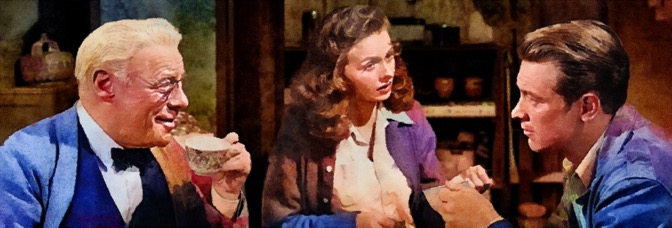
Apartment for Peggy has a protagonist problem. It’s also got what seems to be a Production Code problem, but more on that one later (especially since it gets tangled with the protagonist problem). The film opens with retired university philosophy professor Edmund Gwenn dispassionately deciding he’s going to kill himself. He’s been working on his…
-

According to the IMDb trivia page, The Decoy Bride only had thirty-five percent the budget it needed for the original version of the screenplay, which—percentage-wise—is a default fail. Of course, it doesn't have to be; there are many examples of constrained budgets leading to ingenious filmmaking. Unfortunately, The Decoy Bride is not one of those…
-
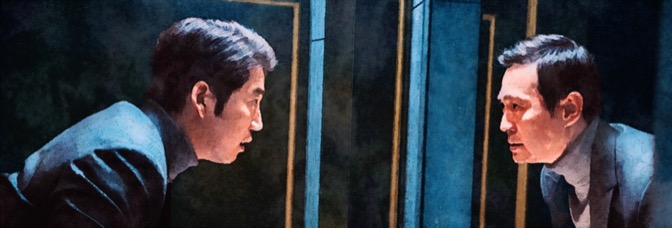
I was expecting Spiritwalker’s MacGuffin to disappoint, but I wasn’t expecting it to completely derail the film. Spiritwalker is a high-concept action thriller about an amnesiac, Yoon Kye-sang, who discovers he is quantum leaping from person-to-person every twelve hours. He also has a very particular set of skills. Those skills come in handy because everyone…
-
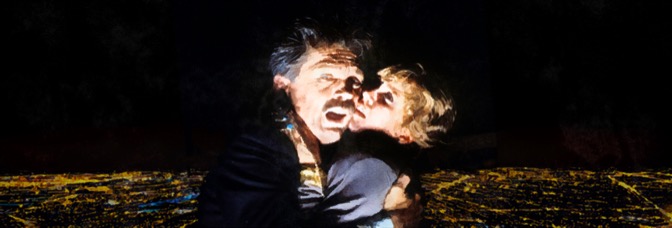
Poltergeist III is about as thrilling as watching someone wash a window. Literally. Outside ostensible protagonist Heather O’Rourke and special guest star Zelda Rubinstein, no one from the previous films returns. The film opens with O’Rourke living in Chicago with aunt Nancy Allen, a yuppie recently married to Tom Skerritt, presumably a widower with a…
-
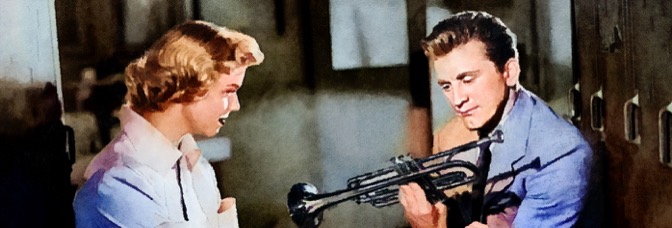
Young Man with a Horn has a third act problem. It’s got too many of them as it tries to find a way not to end on a down note. As a result, each third act gets more depressing, more dire, and correspondingly adjusts the expected bounce-back. But Horn’s got a bookending device with co-star…
-
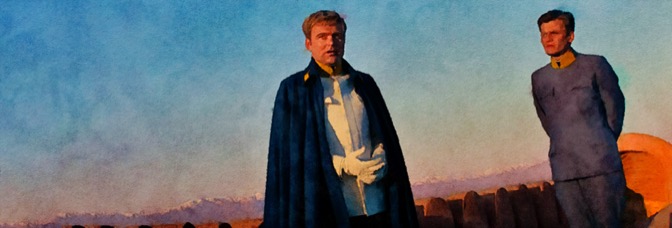
The Desert of the Tartars is a warless war epic. Set at a remote desert fort, a young officer (Jacques Perrin) discovers army life isn’t what he was expecting. The film opens with Perrin leaving home, ready for the great fortune awaiting him, only to learn he’s been assigned to the ass-end of nowhere. The…
-
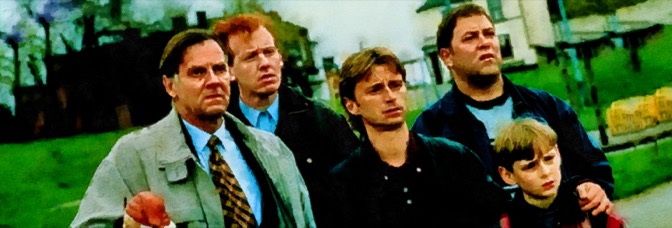
During The Full Monty’s opening titles, an old promotional film plays, establishing the setting. Sheffield during its glory days, when they produced the best steel in the world. Or at least could make a promotional film saying they did. In the present, the steel mills have closed—and been closed about six months—and the former employees…
-
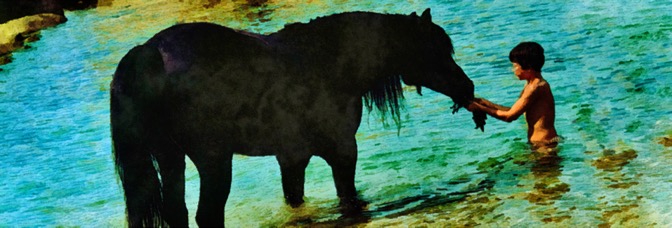
The Black Stallion is two separate, subsequent narratives. The filmmakers utilize two different but related styles for them. The first narrative, with 1940s tween Kelly Reno, shipwrecked on a desert island off the coast of North Africa with a wild Arabian stallion. The second is after Reno’s rescue when he and the stallion have to…
-
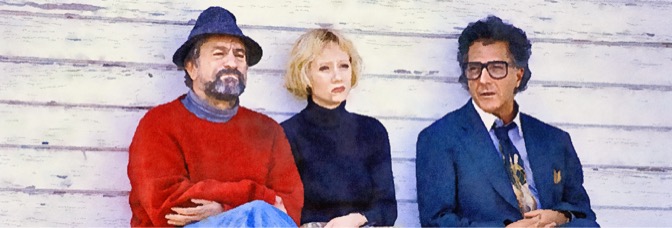
Wag the Dog is a relic from the unrevealed world. Though prescient enough to know sexual misconduct isn’t enough to derail a president from either U.S. political party. As an old—who saw it in the theater, probably opening day—it’s hard to imagine how it plays to someone who’s grown up with Republicans spewing lies and…
-

Monster from Green Hell is impressively boring. Despite running a theoretically spry seventy minutes, the film Hell’s a slog from minute five. The film opens with unlikely scientist Jim Davis and sidekick Robert Griffin sending rockets into space to test cosmic rays on animals. Their launch site? A very recognizable, very wanting composite still of…
-
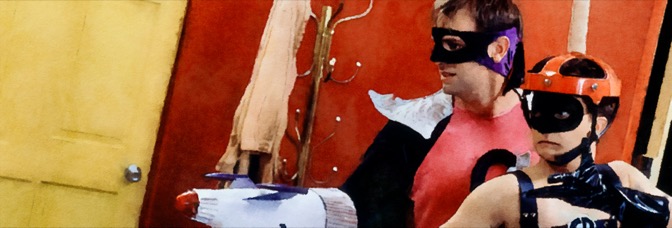
The best thing about Orgazmo is the opening title’s song, Now You’re a Man. Unfortunately, once the song’s over, there are ninety more minutes of movie. Orgazmo tells the simple tale of a Mormon missionary (co-writer and director Parker) who happens upon a porn set and ends up the star of a superhero porno (also…
-
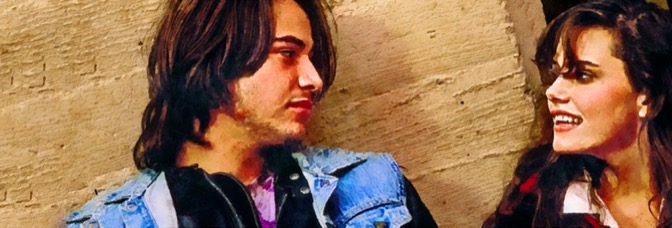
River’s Edge hinges on a few things. First, Joshua John Miller’s performance. The film’s about a group of teenagers reacting (and not reacting) to one of them killing another and showing off the body. Miller is protagonist Keanu Reeves’s little brother, who emulates and identifies with his brother’s worst traits. Second, Jürgen Knieper’s score. The…
 The Stop Button