Category: Film
-
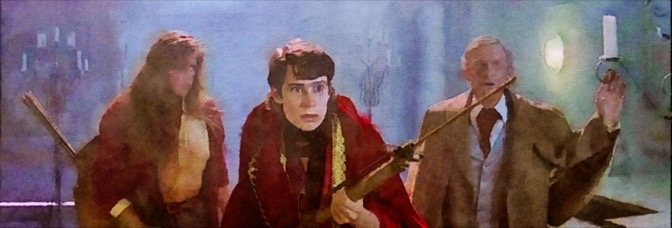
At first glance, it appears Fright Night Part 2 is the rare example of a film saved by a mullet. Lead William Ragsdale doesn’t have much more onscreen charisma than last time, but with his gloriously juvenile late eighties wavy mullet, his lack of appeal becomes charming. Or it may be another thing director Wallace…
-
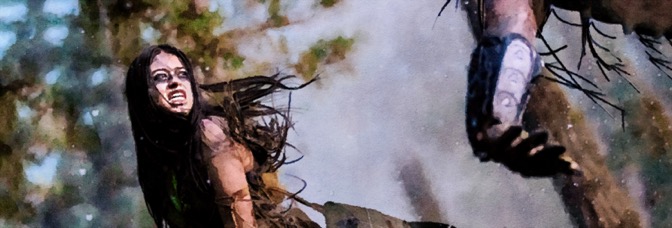
Prey is roughly thirty years late. It’s a Predator prequel with ties to the existing franchise (mainly the second one), but it’s a conceptual no-brainer and one they’ve been doing in the Predator licensed comics for decades. The movies established the Predators had been to Earth before, so why not show one of their earlier…
-

The Hoodlum Saint is a surprisingly long ninety-four minutes, though since it takes place over eleven years (at least), I suppose some plodding is to be expected. There’s plenty not to be expected about Hoodlum Saint, starting with the time period. It begins in 1919, with a fifty-four-year-old William Powell returning from the Great War…
-
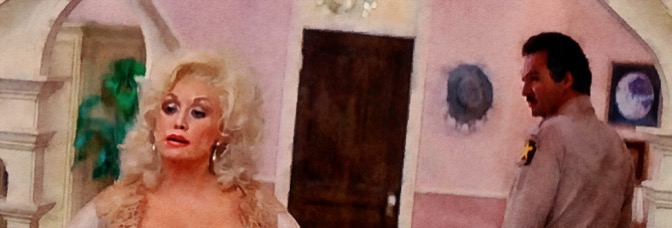
The funny thing about The Best Little Whorehouse in Texas is how much doesn’t actually work and how much of it appears to be entirely director Higgins’s fault. Higgins is no good at storytelling in summary (affable but bland narrator Jim Nabors can’t be helping things), and the musical numbers suggest he’s more an occasionally…
-
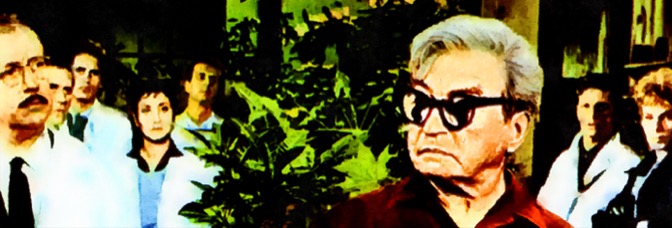
Battle of the Worlds is, thankfully, fifteen minutes or so shorter in its dubbed American version than the original Italian. While the film’s got its low budget, early sci-fi charms… another fifteen minutes would’ve been long. Though they might have sorted out Umberto Orsini’s seeming love triangle with Maya Brent and Carol Danell, which actually…
-
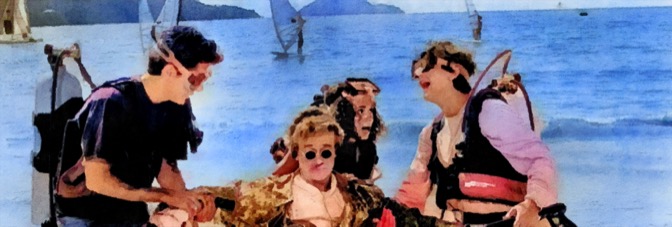
Suppose one makes it to the third act of Weekend at Bernie’s II, which is not a suggestion or recommendation to undertake such a burden. In that case, one will see some bewilderingly competent underwater photography. Including what appears to be Terry Kiser doing takes without any oxygen nearby. Maybe it’s Kiser, maybe it’s not.…
-

It’s not hard to pinpoint what’s wrong with Jurassic World Dominion, the inglorious (hopefully) end of a twenty-nine-year-old franchise. Director Trevorrow does a bad job directing, he and co-writer Emily Carmichael do a bottom-of-the-barrel job with the script, the actors all seem contractually bound and miserable (even the new additions, with one exception), and Michael…
-

Director Badham intended Whose Life Is It Anyway? to be black and white, which would probably help with the staginess. It’s a play adaptation. Badham handles the relatively big, busy cast well, but he doesn’t know how to shoot lead Richard Dreyfuss. Dreyfuss is playing a recently paralyzed sculptor who, after approximately six months, realizes…
-
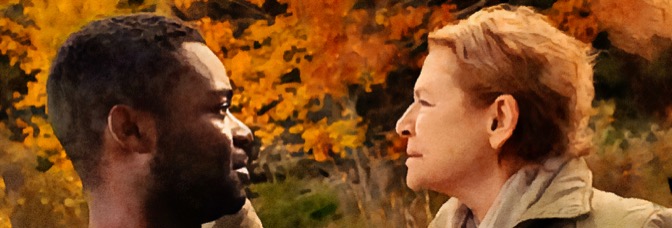
So, it turns out sometimes you do actually need a story. No matter the locations, no matter the photography, the music, the actors, the editing, even the directing, sometimes you can’t get away with eighty minutes without some kind of narrative. Five Nights in Maine is the story of newly widowed David Oyelowo. He becomes…
-
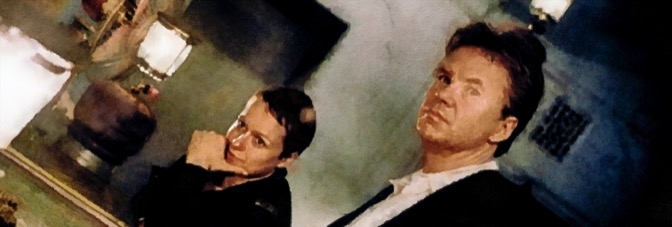
Code 46 is a budget future-noir, down to the male lead being a fraud investigator (though it’s unclear why there’d be a third-party contractor investigating identity theft). But it’s not just a budget future-noir; it’s also a future eugenics thriller; the title refers to the legal code forbidding procreating with your near relatives. Cousins would…
-
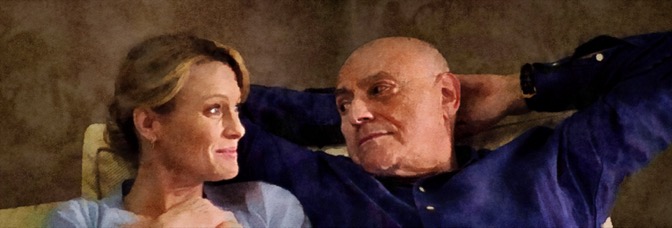
The Private Lives of Pippa Lee is a narrated character study. Protagonist Robin Wright is talking herself through her life while the film observes her, seeing where she’s gained the perspective of time and where she hasn’t. The film starts in the present, with Wright and husband Alan Arkin having just moved to a retirement…
-
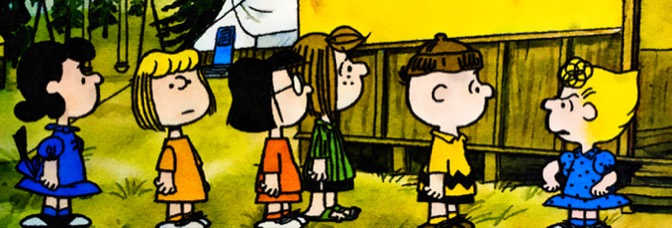
There’s only one adult referenced in Race for Your Life, Charlie Brown. When the bus leaves Charlie Brown (voiced by Duncan Watson) stranded, they’ve established the driver’s silhouette. Not having any adults makes a lot of sense since, somehow, the Peanuts parents all decided to send their kids to a camp on the other side…
-
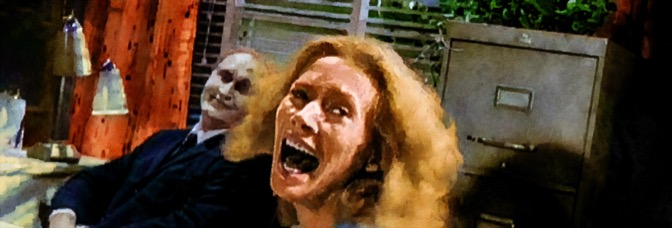
Carnival of Souls is another film in the “way too literal ending” genre. After seventy-five minutes (of seventy-eight) recounting its protagonist’s bewildering, terrifying experiences, the finish is a big wink and shrug. Though there’s a seemingly unintentional casting gaffe to tie the disparate narratives together. Unfortunately, that low-budget coincidence doesn’t add anything to the ending.…
-
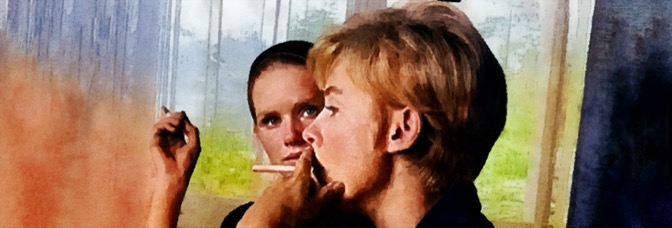
Persona begins with a series of unrelated, sometimes startling, sometimes disturbing images. It’s leader on the film reel, and it establishes the film’s narrative distance. We’re not just removed from the action; the action’s on display at multiple levels, including one involving a young boy, played by Jörgen Lindström, who provides bookends for the film.…
-

Abbott and Costello Meet Frankenstein makes a surprising number of Universal monster movie gaffes. Most obvious is director Barton’s fault—Dracula (a very fun Bela Lugosi) casts a reflection. After shooting the “vampire seduces lady” scene half in reflection, careful not to show Lugosi, the finish just has a visible Dracula in the mirror. So it…
-

Given its micro-budget and absurdity, The Brain from Planet Arous is often surprisingly okay. Director Juran was so embarrassed he took his name off the final product (using his middle name, Hertz, as his surname on the credits), and the movie does get goofy, but its biggest problem isn’t the budget in the end. Instead,…
-
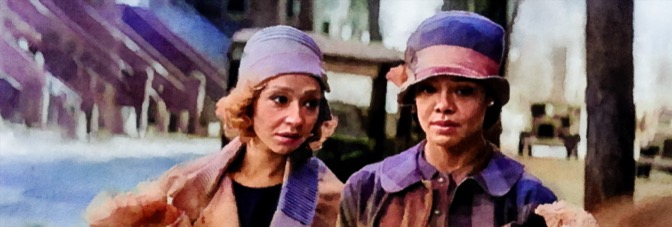
Passing is a genre-buster, which heavily contrasts the very strict mores the film’s subjects live within. The film is an occasional Southern Gothic (set in 1920s Harlem), occasional character study Hitchcock homage. Harlem Renaissance society lady Tessa Thompson has a peculiar day when shopping for her son’s birthday; the sometimes very shitty white folks just…
-
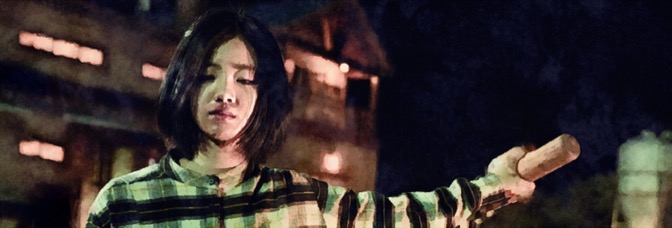
The Witch: Part 2. The Other One starts with a flashback to the very late nineties or very early aughts—someone’s still got a cassette walkman, but MP3 players do exist. Now, The Other One is a sequel, but it’s a “start from scratch” sequel, so for a while, it seems like this story will be…
-
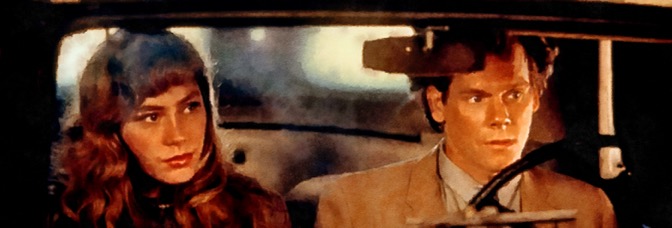
At its best, which isn’t often, The Big Picture is a vaguely charming Hollywood satire about young director Kevin Bacon discovering making it isn’t all it’s cracked up to be. But also not. Because Picture skips over Bacon’s “making it” period, other than being a dick to best friend Michael McKean and driving a Porsche…
-

The Last Days of Pompeii opens with a disclaimer. Despite sharing a title, it is not based on Edward Bulwer-Lytton’s 1834 novel. That disclaimer should be read as a warning. The film runs ninety-six minutes. The last days of Pompeii are the third act; the first two acts… wait, no. The timeline doesn’t even work…
-
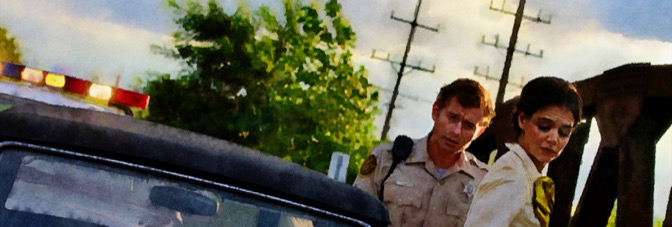
There are so many things wrong with Miss Meadows, it’s hard to know where to start. There are easy pickings, like Jeff Cardoni’s music. There are complicated pickings, like the film’s suburban mama bear fascist “everywhere you look there’s a pedophile no one will take care of, check that pizza shop basement” message. There’s the…
-

El Topo means “The Mole.” There’s some opening text explaining it, but it’s not until the film's second half where the title really makes sense. There are some earlier nods—the nameless protagonist (played by director Jodorowsky) starts the film telling his son to bury his childhood. Then later, Jodorowsky will magically find just what he…
-
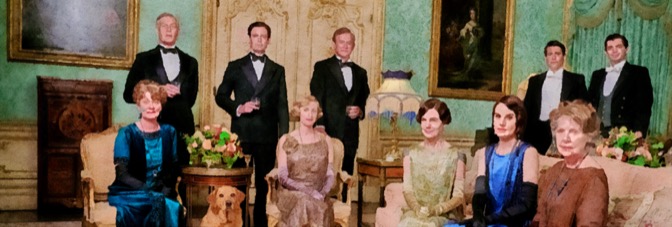
Downton Abbey, the film franchise, has some singular traits (they’re not all problems); most of them related to it being an immediate sequel to a television show, but also the television show’s viewer demographics. Thanks to those demographics, A New Era can get away with a slightly disingenuous subtitle—it’s more of a “sure, maybe, come…
-
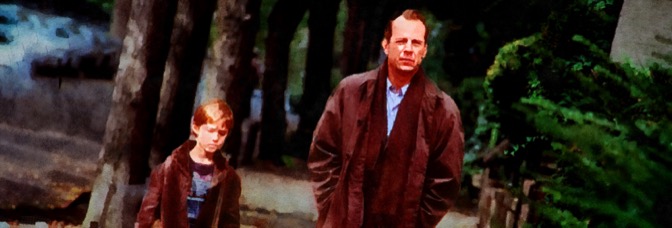
Setting aside the twists and reveals, The Sixth Sense is about three character relationships. There’s child psychologist Bruce Willis and troubled youth Haley Joel Osment, there’s Osment and mom Toni Collette, there’s Willis and wife Olivia Williams. The film opens with Willis and Williams celebrating him receiving an award for his work, which she thinks…
-
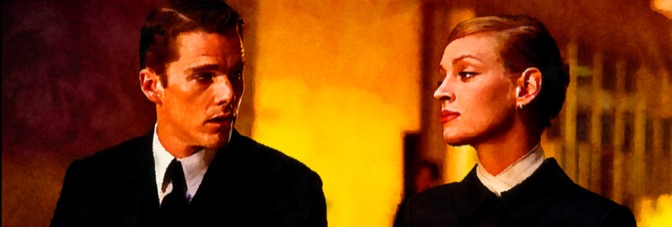
Gattaca is a science fiction triptych character study by way of film noir. And while the film’s a murder mystery, it only uses the film noir device—narration—for a non-mystery section of the film. The narration ends with the murder mystery, not coming back until the finale. It’s an absolutely fantastic structure from writer and director…
-
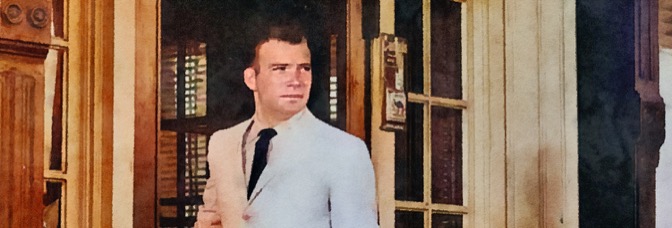
The Intruder has third act problems of the deus ex machina nature, and they’re actually welcome. If the film figured out how to finish better, it’d be more challenging to talk about. It’s already an exceptionally unpleasant experience. William Shatner gets top-billing as the title character. He’s a slick, charming, clean-cut Northern (well, Western—he’s originally…
-

The first half of George Carlin’s American Dream is a history lesson. Big history and little history; it’s the history of comedy in the second half of the twentieth century; it’s the story of Carlin and his family. It’s the story of his career and how success changed his life; how some things got better,…
-
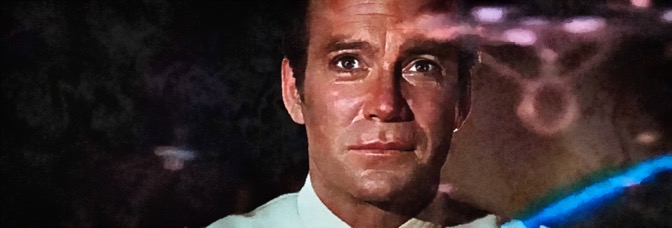
Star Trek: The Motion Picture: The Restored Director’s Edition occasionally feels like a fan project. Or at least a temp project. Like the new opening titles, set in gold. They look like they were done using an iPhone app. Then there are shots where they couldn’t find the original materials, so the picture suddenly looks…
-
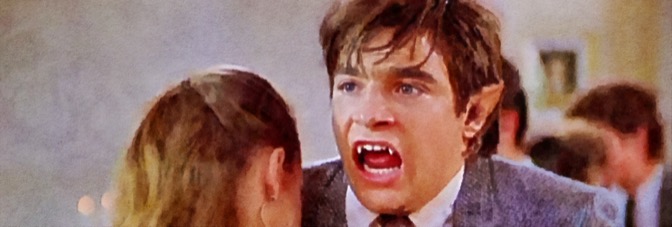
There are worse movies than Teen Wolf Too. There have to be worse movies than Teen Wolf Too. It’s a mantra you can use when watching Teen Wolf Too. Of course, given the era, there may be even a worse theatrically released movie from the same year (1987). But Teen Wolf Too is just the…
-
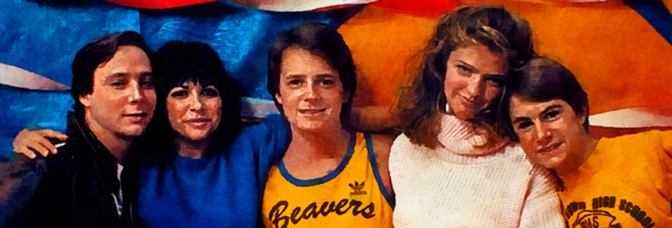
Teen Wolf is a rather dire Wolf. The best things about the movie are James Hampton as the dad and the werewolf makeup, which seems entirely designed to allow for a stuntman to play Michael J. Fox when he’s decked out. Otherwise, it’s never better than middling and often much worse. Some of the problem…
 The Stop Button