Category: Film
-
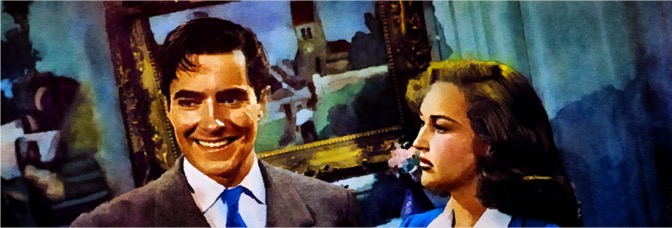
Betty Grable has a rough time in A Yank in the R.A.F. through no fault of her own. Her love triangle arc is the only thing going on for long stretches of the film. Despite being about brash narcissist Tyrone Power (the Yank) going over to England and joining the R.A.F.—while the U.S. was still…
-
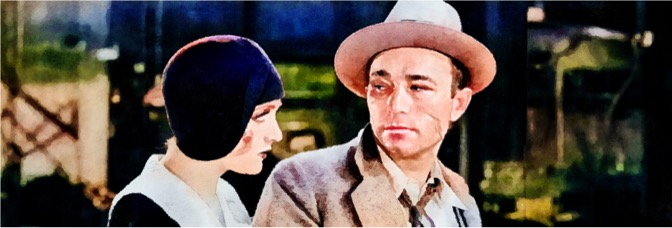
Big News is a successful talking picture, meaning they do a good job recording the synchronized vocals. It’s not successful at really anything else, but the sound’s decent. Someone had the idea of keeping the number of actors low in most scenes, which helps with vocal clarity. Possibly too much because editor Doane Harrison and…
-
In a more modern context, The Con Caper and the Curse of Rava take on additional depth. First, there’s convicted state or federal senator (or congressman) William Smithers. He’s a white guy who once upon a time gave Black woman Chip Fields her first chance in the early seventies after she would’ve spent most of…
-
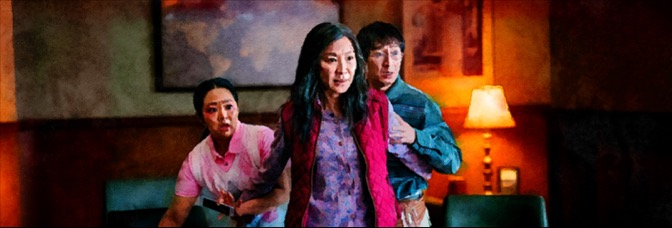
Quite appropriately, Everything Everywhere All at Once is all the things. At once. And more. The film’s a relatively simply told multiverse comic book action-comedy-family-drama-romance-horror story with time to do a traditional hero arc, then deconstruct it. The film gives stars Michelle Yeoh, Stephanie Hsu, and Ke Huy Quan constantly changing roles as we meet…
-
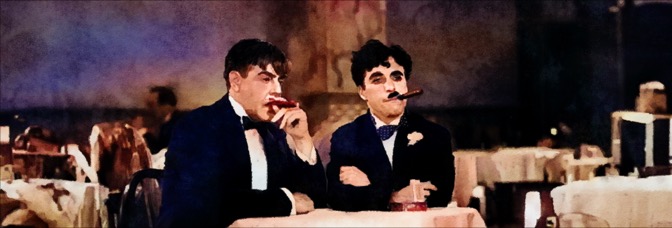
About halfway through City Lights, I realized most of the gags repeat. Especially when it’s Chaplin and his de facto sidekick, Harry Myers. But instead of making the bits seem rote, the repeat value just makes them funnier. There are some differences in how the jokes work, but not very much; Chaplin also lays into…
-

Bride of the Incredible Hulk is just the season two two-part opener, “Married,” as a theatrical release (for overseas). But it’s also a remarkably self-contained outing for Bill Bixby (and even more so for series costar Jack Colvin, who gets a single scene). The movie opens with Bixby arriving in Hawaii to consult with preeminent…
-
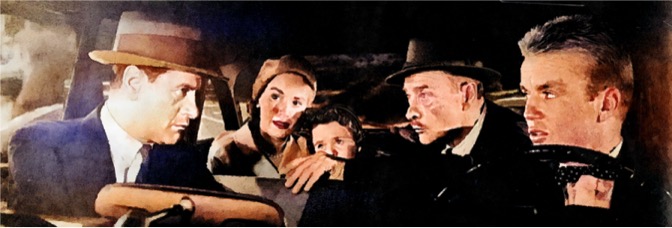
The Lineup is a spin-off of a TV series, an adaptation of a radio show. What is the difference between spin-off and adaptation? The movie has some of the same actors as the TV show, while the radio show didn’t share stars with the TV series. The movie came out before the series was even…
-
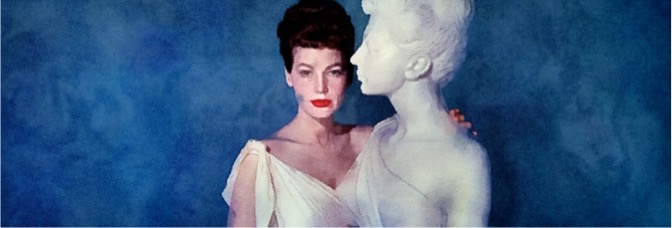
While One Touch of Venus only runs eighty-two minutes, it manages to do three sets of romantic arcs. It’s able to fit them all because lukewarm towel and ostensible lead Robert Walker disappears for long stretches of the movie. Sometimes Walker goes so Dick Haymes can serenade Olga San Juan; sometimes he goes so the…
-
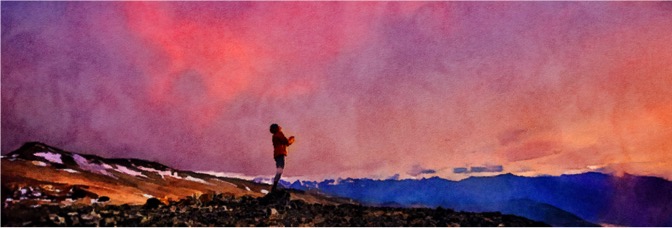
Wild Life has a “what if Douglas Sirk did an epic filmed over multiple years” feel to it. And Wild Life, though the film never acknowledges it, was filmed over multiple years. And not by directors Vasarhelyi and Chin. The subject of the film—Douglas Tompkins (the lead is his widow, Kris Tompkins, but it’s all…
-

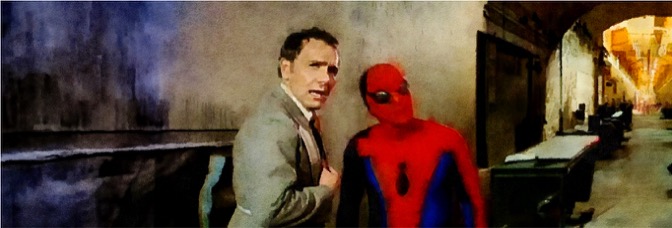
Night of the Clones and Escort to Danger is a strange way to watch a couple episodes of “The Amazing Spider-Man.” Without anywhere near enough episodes for syndication, the show’s producers packaged a couple episodes together so they would have TV movies for syndication. Well, TV movie length, anyway. Some of these duets would come…
-
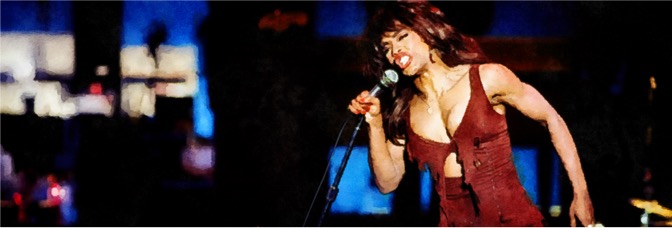
Not counting the ill-advised, if still not wholly unwelcome epilogue, What’s Love Got to Do with It ends about ten years before the film came out. Love’s a biopic of Tina Turner (played by Angela Bassett except for the adorable then rending prologue), almost entirely focusing on her time with Ike Turner (Laurence Fishburne). Just…
-
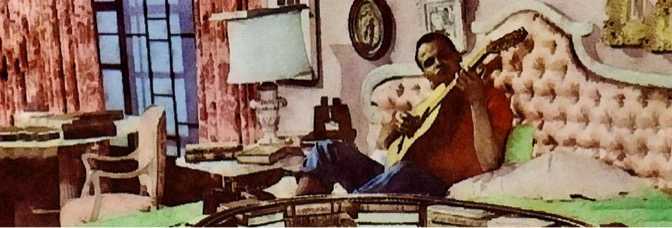
The World, the Flesh and the Devil is one of those rare films where even the opening titles are spoilers. Devil is an end-of-the-world picture, all about coal miner Harry Belafonte emerging from a cave-in to discover he’s the last man alive. Except we’ve had the titles, so we know we’re also watching a movie…
-
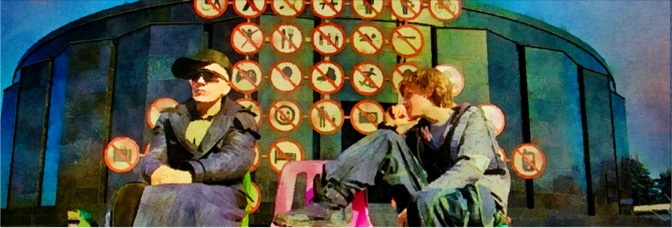
I had been planning on opening this post about The MacGuffin—sorry, I mean The Zero Theorem—with a quip about how it’s faster to just Google “Terry Gilliam Brexit” than to watch the movie but Gilliam’s actually not one of the bad Pythons on Brexit. So I had to fall back to The MacGuffin quip. Zero…
-
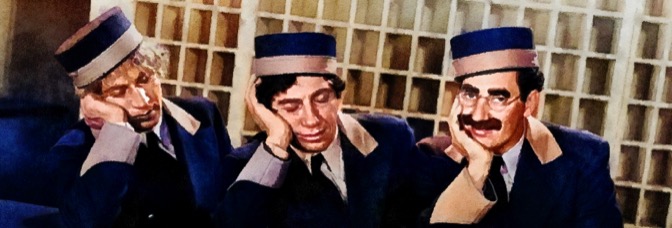
Room Service appears—well, sounds like—it sounds like it ends with Groucho Marx singing along to a spiritual in a stage play and breaking into occasional mimicry of a Black woman singing. For no reason. Like there was a subplot about a racist parrot they cut from the movie (it runs seventy-eight minutes, so it’s not…
-
Between film festival premiere and eventual U.S. release, Penelope went from 104 minutes to just under ninety, apparently to get a family-friendly PG release, which makes sense since it’s based on a kids’ book. Except it’s not. Leslie Caveny’s screenplay is an original, meaning some of the film’s problems no longer have reasonable excuses. Penelope…
-
Black Rain features one of the worst action movie fight scenes. It’s unnecessary—they could’ve just worked around it since participants Michael Douglas and Matsuda Yûsaku are bad at it, the fight choreography is terrible, and it manages to be the most embarrassing thing director Scott oversees in the film and Black Rain’s chock full of…
-
The funniest part of My Name is Julia Ross is when May Whitty, just after having local vicar Olaf Hytten visit, says son George Macready needs to kill Nina Foch before a doctor shows up because while they might be able to convince no-nothings like the vicar, a doctor would be able to tell she’s…
-
Night of the Lepus is about giant bunny rabbits. The movie’s got lousy special effects. The composite shots of regular-sized bunny rabbits blown up to giant-ish size are bad, but the life-size giant killer bunny rabbit arms and body parts—only used for rapid-cut action sequences—are worse. When they have the bunny rabbits run around on…
-
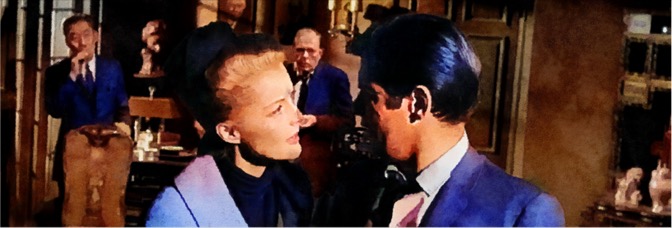
Writer, director, and producer Fuller ends Shock Corridor’s main plot so quickly, it’s like he’s in a hurry to get to the epilogues. Except the epilogues are where Corridor falls flat and doesn’t have the time to get back up. As the film progresses, Fuller makes some significant achievements and builds up such an incredible…
-
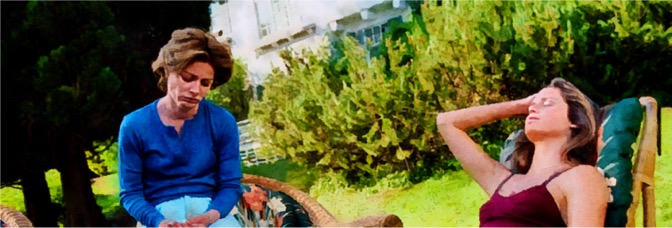
The Babysitter is too technically proficient for its own good. It’s a wannabe prestige lurid TV movie about eighteen-year-old girl with a past (early twenties Stephanie Zimbalist) worming her way into a seemingly perfect family only to reveal all the cracks within. Except it’s not a seemingly perfect family—and not even by the end, actually—with…
-
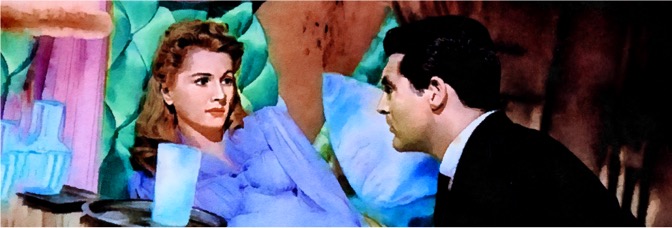
Suspicion is a peculiar picture, both in terms of content and context. It’s one of those Hollywood pictures from late 1941, before Pearl Harbor, but it takes place in England, which was already in the war. So it’s set before the war. It’s an all-British cast (not to mention director Hitchcock) making an American film,…
-
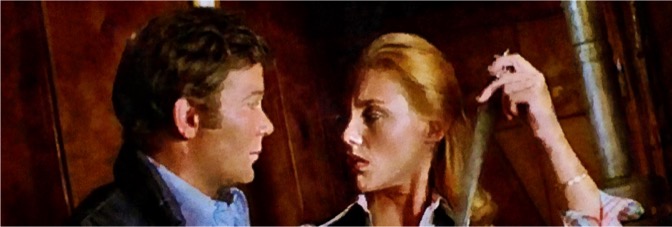
Kingdom of the Spiders opens with some scary music for the title reveal, then an original country song by Dorsey Burnette starts playing over the titles, extolling the virtues of Verde Valley, where Kingdom takes place. It’s a terrible opening titles sequence, followed by the film’s first failed attempt at suspense. Unfortunately, it will not…
-
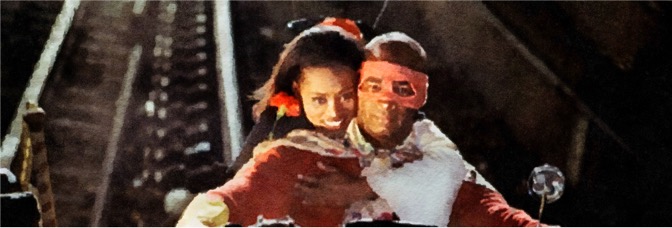
Blankman is surprisingly good. Even after showcasing its initial strengths, then taking a second act tumble, the movie picks itself up for a strong finish. Given the subject—a neurodivergent-coded man becomes a superhero—there are plenty of poorly-aged, ableist jokes. But the jokes made at hero Damon Wayans’s expense always say more about the teller, with…
-
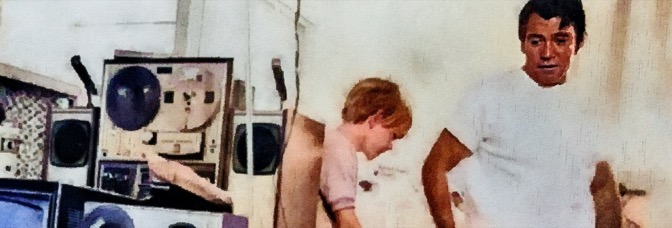
A Whale of a Tale is very much not a “whale” of a tale. The film’s about a little kid (Scott C. Kolden) who spends a summer working at Marineland of the Pacific. While Marineland clearly let the film production shoot on location, it also feels very much like the whole venture is Marineland-produced. At…
-
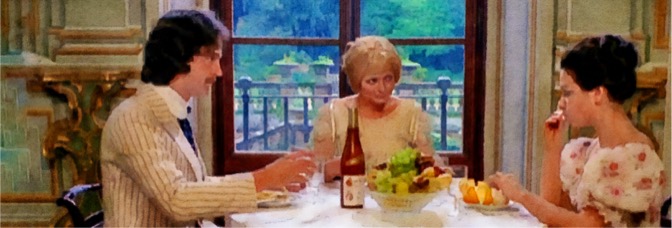
Until Death Smiles on a Murderer gets so inane it’s exasperating, at least the music (by Berto Pisano) isn’t terrible, and the editing (Piera Bruni and Gianfranco Simoncelli) is excellent. I don’t think either of them get worse once the rest of the movie does, but at that point, the film’s so bad it’s not…
-
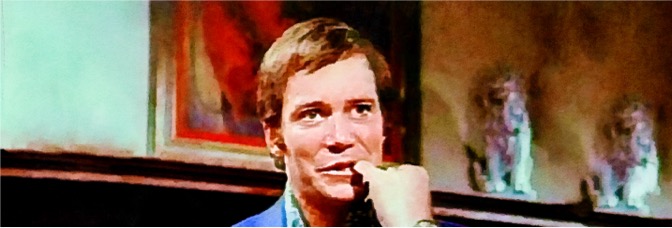
It’s an insult to hacks to describe Impulse director Grefé as such. There are very few directors with less sense of how to direct a movie (or anything) than Grefé. But then he’s simpatico with cinematographer Edmund Gibson at least in terms of skill. Grefé’s got terrible shots, Gibson shoots them terribly. But Gibson’s credited…
-
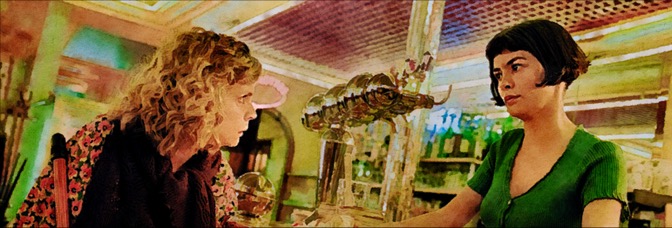
I’m hesitant to call Amélie whimsical, though it’s the closest adjective. The film’s kind of a French New Wave-inspired fairy tale, except instead of being about magic magic, it’s about the magic of the everyday and, especially, its residents. There’s also something decidedly not fairy tale about protagonist Audrey Tautou’s quests. Broadly, Amélie is about…
-
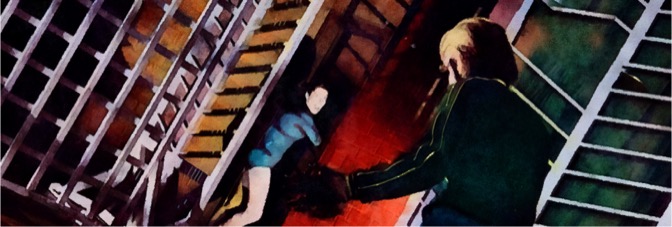
I Was a Teenage Werewolf opens with a reasonably impressive—for 1957–schoolyard fight. Throughout the film, director Fowler will have these entirely competent low-budget action sequences, with much thought put into them by Fowler and his uncredited editor. It’s not because they’ve got ambition with Werewolf; they’re just trying to pad the runtime. To its seventy-six…
-
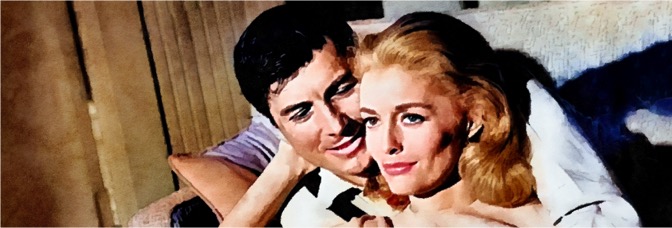
The Naked Kiss is an exceptional motion picture. However, it’s never not without its problems: it’s an astoundingly classy exploitation picture about an ex-prostitute (Constance Towers) who tries going straight, only to discover the other side of the tracks just hides their secrets in different places. The film will also explore the lack of honor…
-
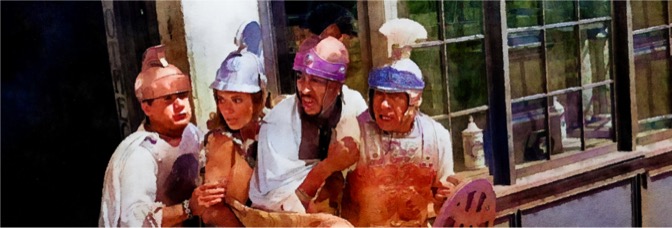
History of the World: Part I is funny about twenty percent of the time. The eighty percent of the time, it isn’t funny, it’s either because the jokes are too homophobic, sexist, racist, or punny. If you’re not laughing out loud, you’re ready to hiss. Since twenty percent doesn’t quite qualify as a mishmash, it’s…
 The Stop Button