Category: Film
-
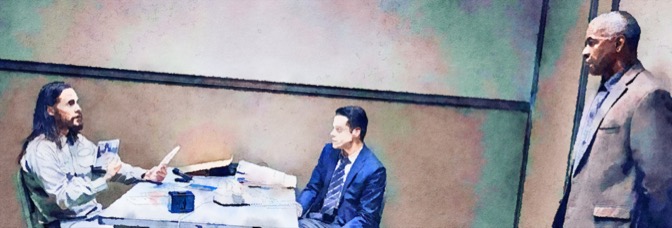
There’s a point where Rami Malek gets exasperated at having to stake out suspected serial killer Jared Leto and it’s the most real moment of The Little Things because it’s been exasperating having to watch Malek stake out suspected serial killer Jared Leto. The scene’s somewhere near the end of the film’s second act but…
-

There are a lot of great shots in Destry Rides Again, with director Marshall finding a lot of raw human emotion in a comedic Western; it starts with opening titles, which are a long tracking shot introducing the setting—the town of Bottleneck. The tracking shot is at night (cinematographer Hal Mohr’s black and white photography…
-
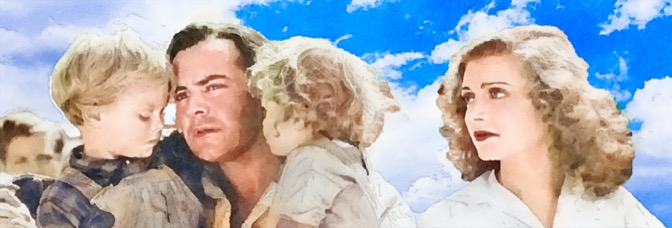
If it weren’t for the “fallen woman” third act, Deluge would probably stay afloat at the end. Instead, it flops out in the really protracted finale, which involves a survivor camp deciding on a credit system in an effort to get capitalism back. It’s a real let down considering the second act is all about…
-

Mr. Smith Goes to Washington runs two hours and nine minutes, with the last thirty minutes and change giving star (but second-billed) Jimmy Stewart a big, long scene; sure, it’s intercut with various asides but as far as Mr. Smith Stewart is concerned, it’s a single long scene. Stewart’s had some significant scenes before, but…
-

Sean Connery, who’s so important to the workings of Hunt for Red October he could easily be “and special guest star” credit instead of top-billed, has his last scene on the bridge of his ship, giving a very Captain Kirk read of a quote. It’s something about sailing and it’s got to break the cultural…
-
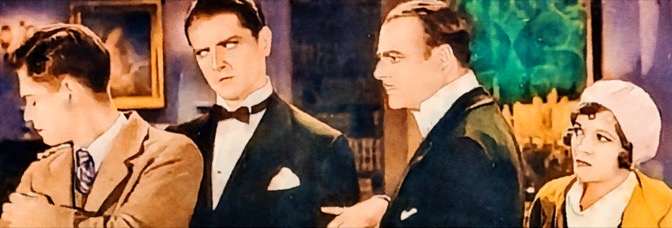
The Pay-Off opens with young lovers William Janney and Marian Nixon in Central Park, snuggle-napping on a bench in the middle of the night because they’re got to maintain their chastity. Everything’s about to change for them because Janney’s finally saved up enough money they can get married, only he talks about it too loud…
-
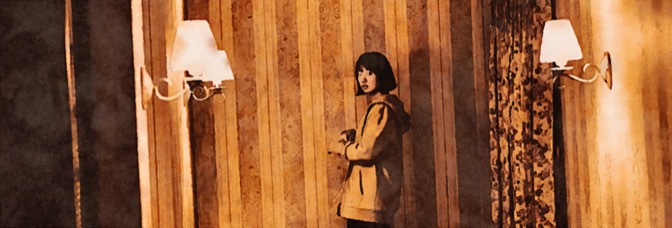
It’s unclear for a while but what The Call needs more than anything else is a great villain. It’s got its villains, starting with very bad mom Lee El, but she’s not great. She’s kind of one note too, with writer and director Lee cutting away from her when she’s going to be establishing the…
-
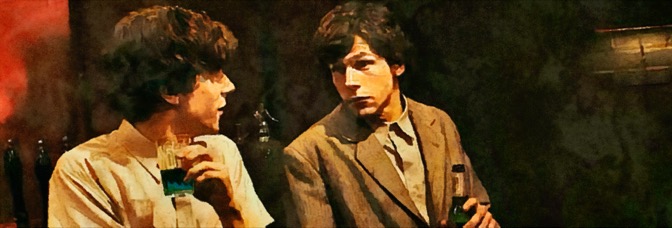
The Double opens with a look at lead Jesse Eisenberg’s monotonous, solitary life. He takes the train to his job, where he’s worked for seven years and only one person has bothered to learn his name, he’s got a crush on a girl (Mia Wasikowska) at work who doesn’t seem to know he exists, and…
-

“Death to 2020” has twenty credited writers. And its show creators aren’t among them. Twenty writers. It’s seventy minutes and the narration jokes either all flat or so many of them fall flat I can’t remember any not falling flat. Larry Fishburne is the narrator, it’s not his fault, they’re just not good jokes. They…
-
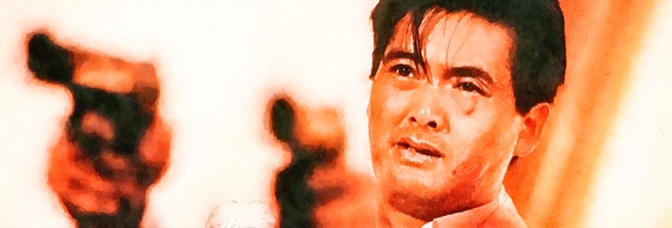
When The Killer introduces second-billed Danny Lee, it certainly seems like Lee’s arc is going to be the most important in the film. He’s a Hong Kong cop who starts chasing professional hitman Chow Yun-fat and gets in the middle of Chow’s fight with crime lord Shing Fui-on, with tragic results for everyone involved. And…
-

When Leon Errol saves lead Jon Hall from drowning, even though they’ve previously established The Invisible Man’s Revenge takes place in England, I was sure they’d teleported to Australia. Errol is very Australian. Openly Australian. He’s also the closest thing to amusing as Revenge gets. Despite being the fourth in the series, starring the same…
-

Just about an hour into Invisible Agent, Axis allies Cedric Hardwicke and Peter Lorre have a falling out. See, Lorre’s smart, actually, while Hardwicke’s just devious. The film had been establishing those traits from the first scene—when they try to strong-arm the Invisible Man formula out of Jon Hall—but what I didn’t realize was Lorre…
-
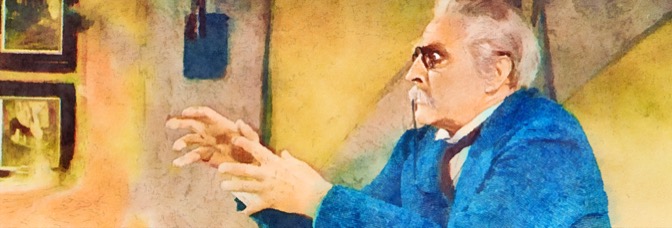
It’s entirely possible The Invisible Woman’s concept is a good one—instead of a horror movie, doing a screwball comedy where the female lead is invisible most of the time. Woman is—at best—indifferently acted, poorly directed, atrociously written, without even reasonable special effects. But the idea itself isn’t necessarily bad. The film opens with suffering butler…
-

The best thing about The Invisible Man Returns is quite obviously Cecil Kellaway. He’s a Scotland Yard inspector who’s spent the eight years since the last movie preparing for another invisible man attack, making sure the Yard’s ready to go technologically. Worst thing about The Invisible Man Returns? It’s a little long? There’s nothing really…
-
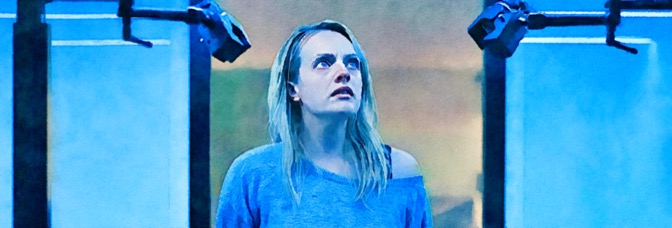
The Invisible Man is surprisingly okay. I mean, once you realize it’s just going to be lead Elisabeth Moss in constant terror of an invisible abusive partner lashing out at her and Moss is good at being terrified for long periods, it seems like a bit of a gimme, but until the middle of the…
-

It makes sense director Lorenze never made any other films after Back Page because there’s no easy way to describe the disinterested direction. Well, outside Lorenze and cinematographer James S. Brown Jr. using the same exact camera composition for what seems like ninety percent of the film. When there’s an actual reaction close-up of someone…
-

The best scene in The Falcon and the Snowman is when Sean Penn tries to sell his Russian handlers—a wonderfully bemused David Suchet and Boris Lyoskin—on a coke enterprise. They’ve got embassies all over, Penn figures, so why not make some money moving blow through them up from Peru or whatever. It’s maybe halfway through…
-

I wasn’t aware of Red Scorpion’s production history, which has original distributor Warner Bros. pulling out because it filmed in Namibia, under apartheid South African control at the time, as well as the investors and producers being pro-apartheid… you’d think Warner would’ve checked. You’d hoped Warner would’ve checked. And, now, if we can “but anyway”…
-

Outside allowing Chris Pine to charmingly mug for the camera while doing an eighties men’s fashion parade, there’s not much reason for its 1984 setting. Unless they thought it would be absurd if Wonder Woman Gal Gadot pined after dead WWI love Pine for more than sixty-five years or so. No reason for the setting…
-
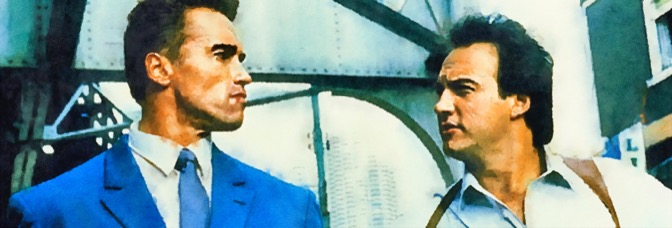
Walter Hill really likes to make movies about racist white cops (oxymoron, sorry, racist even for a movie) partnering with unlikely people and having big action sequences involving buses, huh? The racist white cop in this case is Jim Belushi, who’s never overtly racist (just overtly transphobic in a homophobic way—it’s the eighties after all),…
-
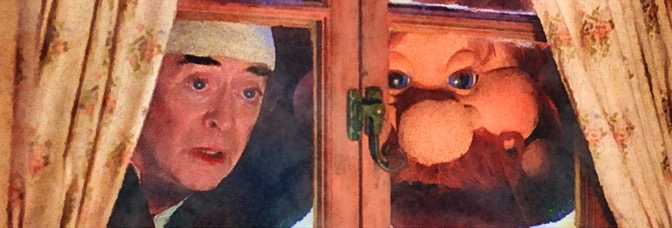
There’s a lot great about Muppet Christmas Carol: obviously the Muppet performers (their first outing after Jim Henson died—Rowlf is silent in memorial), Brian Henson’s fine direction, Jerry Juhl’s inventive script, strong special effects, Val Strazovec’s production design, Michael Jablow’s editing, the Paul Williams songs (the repetition even helps); but what makes it so special…
-

Murders in the Rue Morgue buries the ledes a little too often. First, it hides it’s Expressionist until we get to Bela Lugosi’s mad scientist lair and then the production design is absurdly Expressionist. There’s eventually a scene with Noble Johnson (who I thought was in white face, but I guess not based on his…
-

The Bee Gees deserve a more comprehensive documentary thanHow Can You Mend a Broken Heart. The film skips over a lot of specifics in the early years, then ends its main narrative in the late 1970s with the Disco Demolition, which could have been a major turning point in the film as they’re talking about…
-

All WarGames really needs to be better is a good script rewrite, a better director (apparently there are some leftover shots from when Martin Brest tried directing it but got fired), and more John Wood. The Arthur B. Rubinstein music is a little iffy too but has its charms. And WarGames has its charms. Matthew…
-
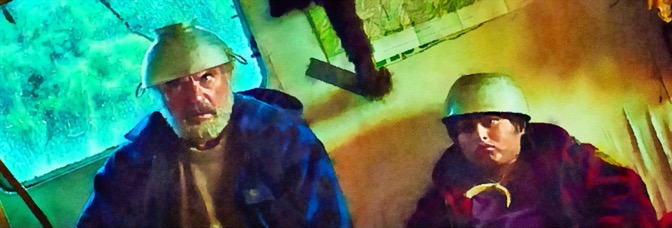
I kept waiting for something to go wrong in Hunt for the Wilderpeople. The first act is this exceptionally tight, efficient narrative—but with time for montage digressions as director (and screenwriter) Waititi gently examines lead Julian Dennison as his life goes through a pastoral upheaval. Dennison is a tween on the edge of teen and…
-

Absolute Beginners, the David Bowie song, is so good Absolute Beginners, this Julien Temple directed musical film adaptation of Colin MacInnes’s presumably autobiographical novel would have to be singular to be better than the song. Okay, singular in a good way. Because I suppose Beginners, which Temple stages as a Technicolor stage production, is singular…
-
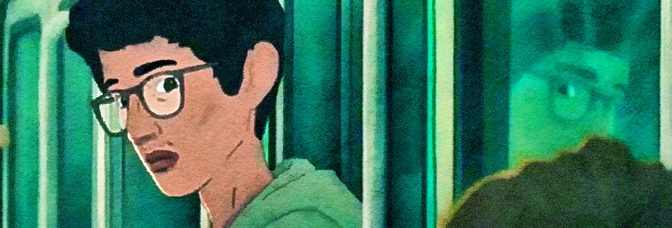
I Lost My Body is the profoundly vapid tale of a man (Hakim Faris) and his hand. The hand has been chopped off and as it travels through a computer animated Paris, the film flashes back to Faris’s tale and, presumably, how he lost his hand. Along the way, the hand kills a young mother…
-
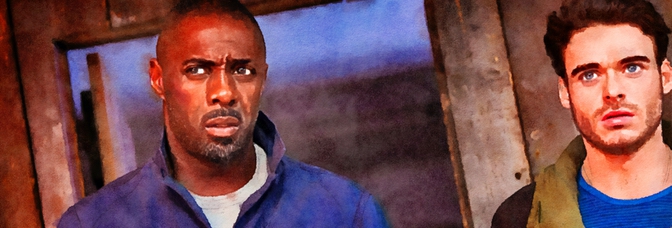
Bastille Day is an abject waste of time from the start, which opens with some very bad “video stock” only it turns out to be supposed to be “bad” video from a smartphone. Not even getting into the opening sequence, a terribly directed one, seems more appropriate for an eighties Porky’s rip-off more than a…
-

Once I’m Thinking of Ending Things makes it painfully, obviously clear what’s actually going on with nondescript Oklahoma intellectual artsy girl Jessie Buckley, her pseudo-intellectual, experience matters more but wait is actually smart or is he boyfriend Jesse Plemons, his weird parents—Toni Collette (who somehow manages to be the only person in the not-untalented cast…
-
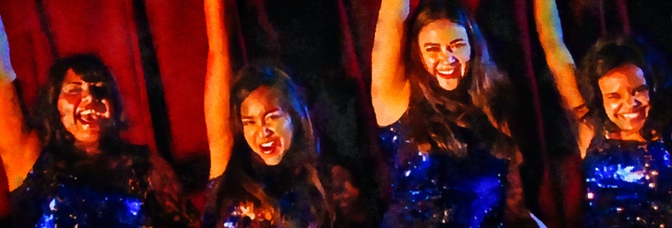
When we were about halfway through The Sapphires I figured something must go wrong otherwise the film would have a better reputation. Though you never know; music biopics do have their unfortunately hidden gems (no pun). Sapphires doesn’t succeed as a music biopic or a music pic or a biopic but it’s got some excellent…
 The Stop Button