Category: Mystery
-
The Swiss Conspiracy opens with a lengthy title card and voice-over explaining—broadly—the Swiss banking system. Then, the movie’s opening titles, an absurdist, almost silly montage of Swiss postcards, set to composer Klaus Doldinger’s least funky music in the film. Doldinger’s score is always fun and cool (and often quite good), even when it doesn’t precisely…
-
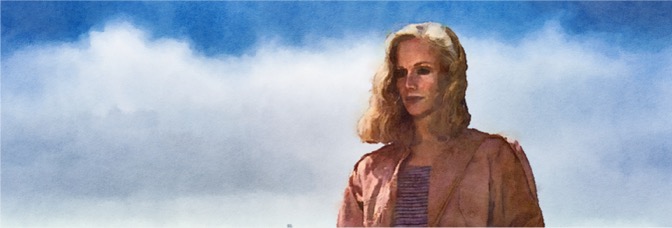
At least a third of Sudden Impact is director, producer, and star Eastwood doing a Hitchcock homage starring Sondra Locke. Locke doesn’t speak during the Hitchcock homage sequences; she just walks silently, staring at various things, remembering her horrific origin story, then shooting some rapist in the balls and then the head. Now, Sudden Impact…
-
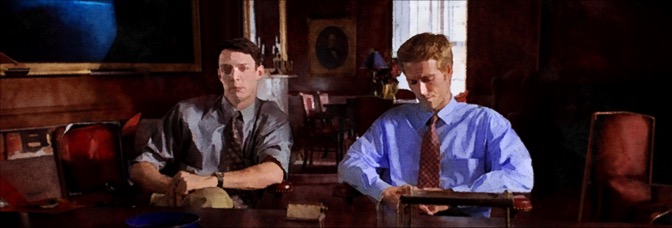
Dead Man’s Curve’s opening titles are intercut with someone meeting with Dana Delany—playing a college campus therapist—and asking questions about signs of suicidal thoughts. Delany makes a joke about how first-time efforts from writer-directors might do it. Then the title card cuts to director Rosen’s writing and directing credit. All his other references are on…
-
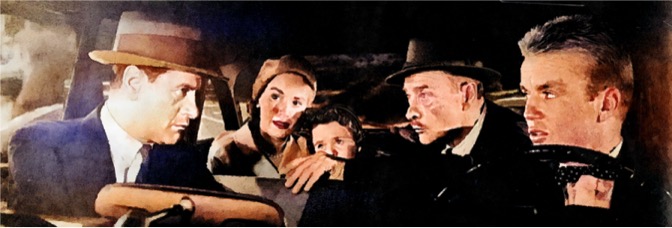
The Lineup is a spin-off of a TV series, an adaptation of a radio show. What is the difference between spin-off and adaptation? The movie has some of the same actors as the TV show, while the radio show didn’t share stars with the TV series. The movie came out before the series was even…
-
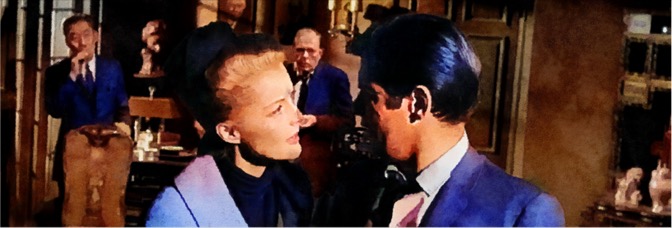
Writer, director, and producer Fuller ends Shock Corridor’s main plot so quickly, it’s like he’s in a hurry to get to the epilogues. Except the epilogues are where Corridor falls flat and doesn’t have the time to get back up. As the film progresses, Fuller makes some significant achievements and builds up such an incredible…
-
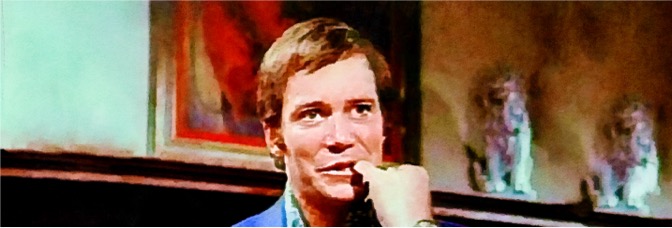
It’s an insult to hacks to describe Impulse director Grefé as such. There are very few directors with less sense of how to direct a movie (or anything) than Grefé. But then he’s simpatico with cinematographer Edmund Gibson at least in terms of skill. Grefé’s got terrible shots, Gibson shoots them terribly. But Gibson’s credited…
-

“Luther” show creator and Luther: The Fallen Sun writer Neil Cross started talking about him and Idris Elba doing a Luther movie for at least a decade before Fallen Sun. Like everyone else, Cross assumed the singularly charming, extraordinarily talented Elba would be too busy being a movie star to do another “Luther” TV series.…
-
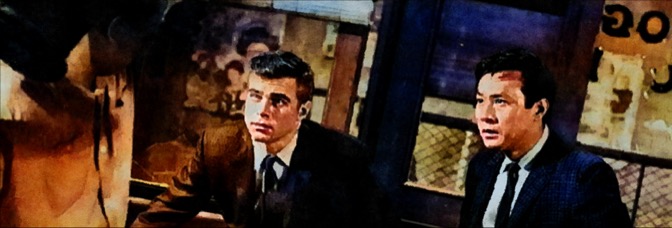
The most gracious explanation for The Crimson Kimono’s politics are it takes place in a universe where the U.S. didn’t concentrate 125,000 plus American citizens in camps during World War II. Even in that universe, there are problems, like white people Glenn Corbett and Victoria Shaw gaslighting Asian guy James Shigeta about his ability to…
-
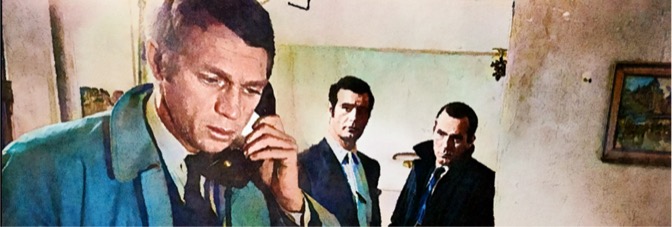
Bullitt is from the period when Hollywood wasn’t calling the Mafia the Mafia yet—it’s “The Organization” here—and none of the mobsters had Italian names, but they are mostly Italian (heritage) actors. It’s especially funny because part of Bullitt’s conceit hangs on WASPs like up-and-coming senator Robert Vaughn not being able to tell Italians apart. But…
-
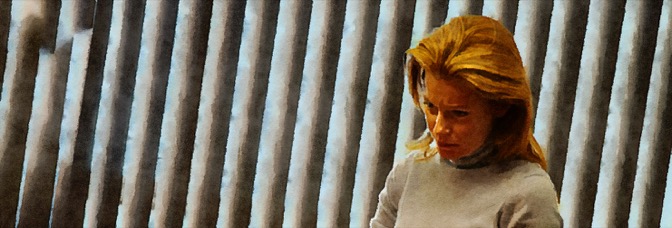
There’s a lot to say about Every Secret Thing and nothing to say about it. And some things can only easily be phrased as complimentary insults, like Rob Hardy’s photography is valuable because the movie’s an object lesson in how not to photograph a film. Or how director Berg’s a great example of why a…
-
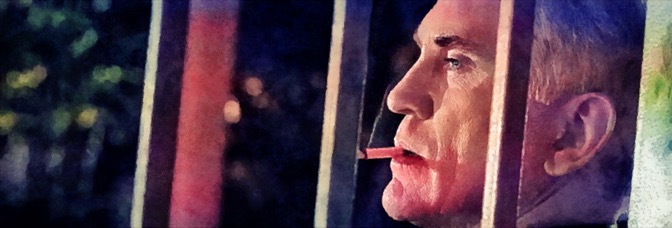
The Limey is all about the foreshadowing. It’s about flashbacks, flash-forwards, and flash asides, but the foreshadowing figures into all of those devices. It’s got a “twist” ending, which then informs previous scenes but not like figuring out Terence Stamp is a ghost or whatever. Instead, it’s knowing something about why he half-smiles—and only something,…
-
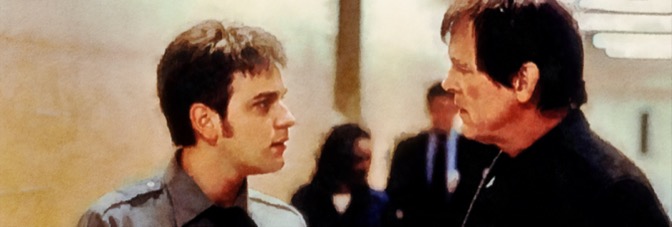
Thanks to a weak performance from lead Ewan McGregor and an obviously altered ending, Nightwatch straddles being a reasonably perverse suspense thriller and a scalding commentary on middle-class white male masculinity. McGregor is a third-year law school student who takes a job at the morgue to help pay for he and girlfriend Patricia Arquette’s giant…
-

It’s easy to pick out the “best” thing in Copycat because it’s almost entirely atrocious. Christopher Young’s highly derivative score is lovely—it’s a mix between John Williams and then Aliens whenever Sigourney Weaver is in thriller danger. Thanks to the score, Copycat makes some interesting swings, like emotive, romantic music during the most inappropriate sequences.…
-

Blow-Up is a day in the life picture. It opens with protagonist David Hemmings on his way out of a flophouse; he’s not a tramp; he’s a wonder kid fashion photographer who’s been undercover all night to snap pics. The film reveals all those details gradually. It takes until about halfway through the picture to…
-

During The Element of Crime, it never seems like the mystery will be particularly compelling. The film and the detective’s investigation are compelling, but the mystery itself seems rather pat. A serial killer has been targeting young girls selling lotto tickets, earning the moniker the “Lotto Murderer,” and the police are stumped. So they bring…
-
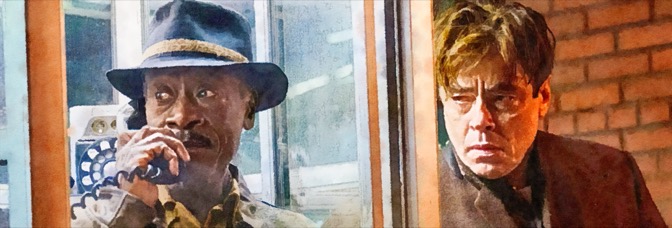
I spent most of No Sudden Move hoping against hope it’d somehow end well. Unfortunately, by the end of Move, I’d forgotten it started as a potential pulpy franchise for Don Cheadle (twenty-five years after Devil in a Blue Dress maybe he could get the one he deserved). The third act is such a slog,…
-

Psycho is a masterpiece of color. After forty joyfully plodding minutes of Janet Leigh going from fetching spinster in a torrid lunch hour romance to grand larcenist in precise black and white (and then another few minute as she moves to close that character arc), director Hitchcock and Psycho put Leigh in the color of…
-
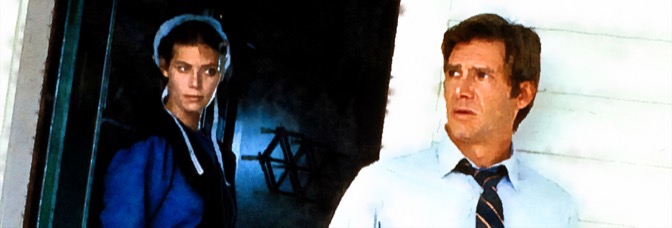
Witness has a beautifully directed scene or sequence every five to ten minutes. Just something director Weir is able to particularly nail, sometimes with John Seale’s photography’s help, sometimes with Thom Noble’s editing, then probably least of all, with Maurice Jarre’s score’s help. Jarre’s score is good, very pretty, and occasionally redundant; when it sells…
-
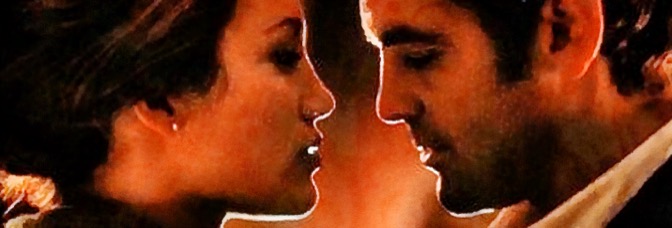
Right up until the third act, Out of Sight has a series of edifying flashbacks, which reveal important facts in the ground situation; almost enough to set the start of the present action back a few years. The film starts in flashback, which isn’t immediately clear, and then the series of consecutive flashbacks builds to…
-
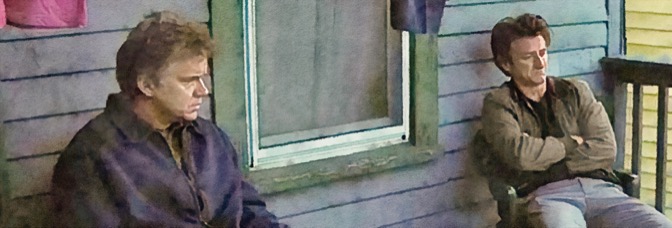
Mystic River is at all times a very American tragedy. Eastwood approaches it as such, both as director and composer (it’s Aaron Copland levels of romanticized, you eventually just have to go with it because Eastwood’s committed). But it’s also really just MacBeth in Bah-ston. A very, very cynical one. There’s not a single moment…
-
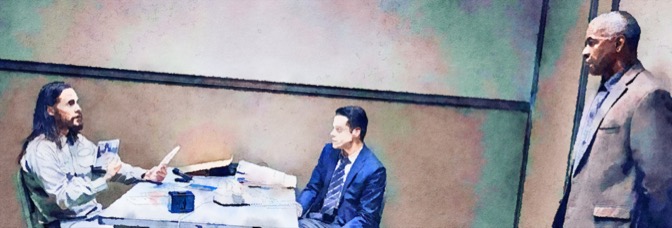
There’s a point where Rami Malek gets exasperated at having to stake out suspected serial killer Jared Leto and it’s the most real moment of The Little Things because it’s been exasperating having to watch Malek stake out suspected serial killer Jared Leto. The scene’s somewhere near the end of the film’s second act but…
-

The best scene in The Falcon and the Snowman is when Sean Penn tries to sell his Russian handlers—a wonderfully bemused David Suchet and Boris Lyoskin—on a coke enterprise. They’ve got embassies all over, Penn figures, so why not make some money moving blow through them up from Peru or whatever. It’s maybe halfway through…
-
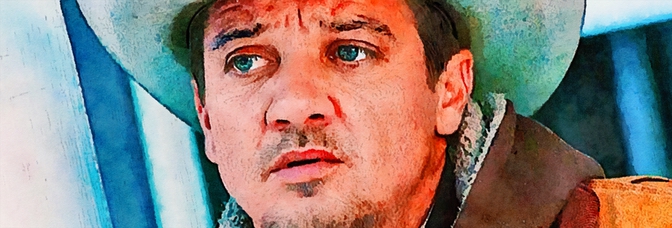
Wind River is almost manipulative enough to be effective. If writer and director Sheridan just could’ve made it through his muted epilogue to the end credits instead of pointing out just where he was manipulative and how what a cheap job he did of it…. But he can’t. Not unless you count Graham Greene basically…
-

If you’ve ever started watching To Live and Die in L.A. and turned it off because it’s terrible or just heard of it and thought you should see it, let me say… there’s no reason to see it. Or sit through it. Not even morbid curiosity. Or unless you want to see John Pankow’s butt.…
-

With forty minutes left in its way too long 124 minute runtime, Magnum Force starts getting real tiresome. The film’s already gone through multiple set pieces, with the Clint Eastwood ones pointless to the narrative but apparently what screenwriters Michael Cimino and John Milius think is character development, while the ones related to the a…
-
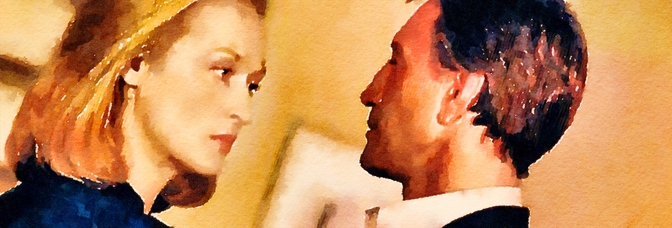
At the end of Still of the Night, the film puts aside the “whodunit” to give second-billed Meryl Streep—who’s playing the femme fatale part but not at all as a femme fatale—a lengthy monologue. It’s all one take, Streep just acting the heck out of this mediocre thriller monologue. It doesn’t make the film worthwhile,…
-
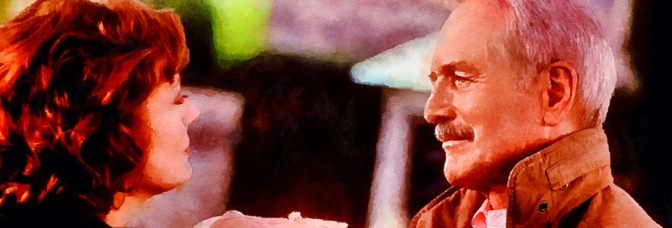
Unfortunate bit of trivia to start us off—Twilight is supposed to be called The Magic Hour, but just around the time of release, Magic Johnson’s high profile (and quickly cancelled) TV show had the same title and they changed the movie’s title. Titles are both important and not. They definitely establish a work’s intention—you may…
-

For most of The Guest, the script doesn’t matter. Either the acting or the filmmaking carry the scene. The first act is this fairly standard, fairly obvious—albeit beautifully produced—drama about an all American family in crisis after the death of the oldest son, a soldier, killed in action in the Middle East. Dad Leland Orser…
-
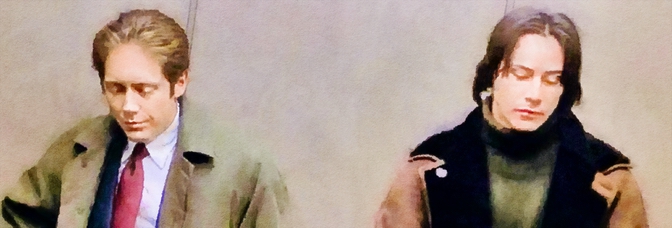
Rather terrible–but still on some levels competent–serial killer thriller about Keanu Reeves terrorizing Chicago in general and ex-FBI agent James Spader in specific. Really bad performance from Reeves (who did the film to fulfill a forged contract obligation) and Marisa Tomei (as Spader’s therapist and, natch, love interest). Rather elaborate Chicagoland filming but completely inept…
-
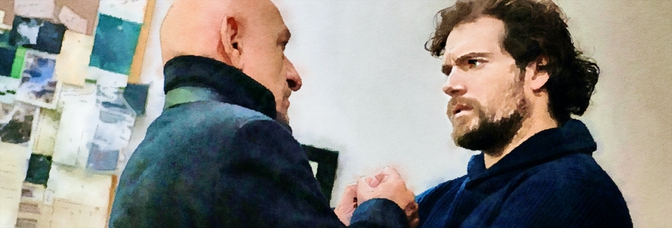
Bad, but not unwatchable serial killer thriller about ace detective Henry Cavill–a British guy working as a Twin Cities cop (as a British expat), all while filmed in Canada–having obviously guilty suspect Brendan Fletcher in custody only he’s got an accomplice killing cops now. So Cavill has to go to judge-turned-vigilante Ben Kingsley for help.…
 The Stop Button