The Stop Button
blogging by Andrew Wickliffe
Category: Horror
-
Tormented is the story of how the world’s greatest jazz pianist (Richard Carlson) lost it all because he wasn’t a forty-eight-year-old virgin. I mean, also because he let his former lover, played by Juli Reding, fall to her death without trying to help her. Good thing they’re on an island where any peculiar death results…
-
Devil’s Partner opens with an old man in his shack killing a goat to seal a deal with Old Scratch. The man’s arrangement is simple—his soul for two years. Wait, two years of what? Shh, watch the movie. We also never get to see any more of Old Scratch than his hand. It’s effective but…
-
The Terror is not camp, which is bewildering, not just because it’d be better if it were camp, but because, based on its vitals, it seems like it can’t not be camp. The film stars Jack Nicholson as a Napoleonic officer—he does not attempt an accent, thank goodness—who gets involved with some supernatural goings-on involving…
-
The Plague of the Zombies opens at its lowest point—the film involves Haitian-style voodoo (not really, the movie’s version of Haitian-style voodoo) being practiced in a Cornish village, and the high priest has a trio of Black men drumming. Throughout the film, we’ll learn about the voodoo setup (though not a lot, including what they…
-

Day of the Dead is a nightmare. Occasionally literally, with writer and director Romero not afraid to rely on a recurring “it was just a nightmare” bit. But more symbolically… Day is about a group of scientists working in a secured location in the Florida Everglades, ostensibly protected by the U.S. Army; they’re on a…
-
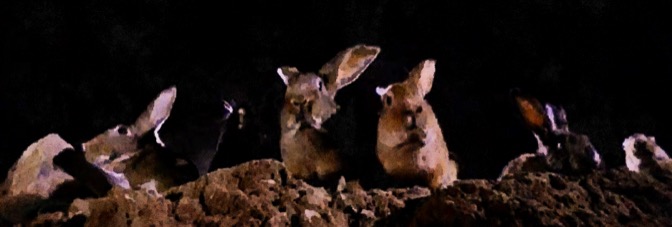
Night of the Lepus is about giant bunny rabbits. The movie’s got lousy special effects. The composite shots of regular-sized bunny rabbits blown up to giant-ish size are bad, but the life-size giant killer bunny rabbit arms and body parts—only used for rapid-cut action sequences—are worse. When they have the bunny rabbits run around on…
-
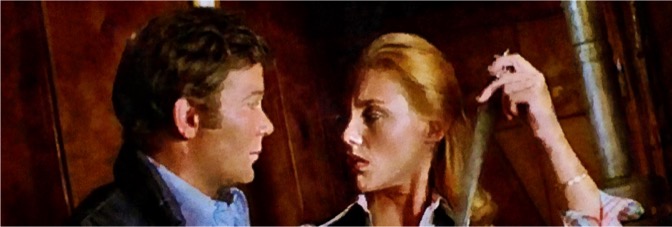
Kingdom of the Spiders opens with some scary music for the title reveal, then an original country song by Dorsey Burnette starts playing over the titles, extolling the virtues of Verde Valley, where Kingdom takes place. It’s a terrible opening titles sequence, followed by the film’s first failed attempt at suspense. Unfortunately, it will not…
-
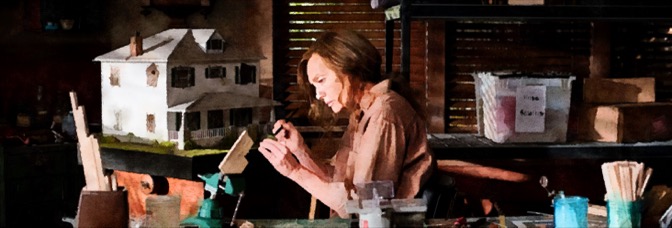
For better or worse, once the film proper starts, Hereditary doesn’t have a single wasted moment. Every little thing is important in the end, whether it’s how dead grandma wanted favorite grandchild Milly Shapiro to be a boy or Toni Collette’s justified fears of hereditary schizophrenia. I mean, the title’s Hereditary and she’s got a…
-
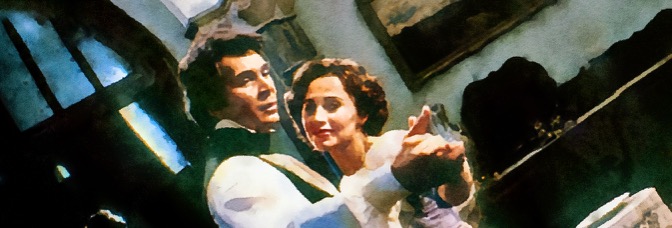
This Dracula adaptation takes place in 1913, which is only important so leading lady Kate Nelligan (battling and sometimes winning her English accent) can be a suffragette, and her beau, Trevor Eve, can drive a motorcar. So there can be a car chase. Or three. The film begins already in England. A ship is having…
-

While I had some expectations about Halloween Ends’s plot going in, based on the previous entry, the franchise, and behind-the-scenes scuttlebutt, nothing prepared me for a soft remake of Nightmare on Elm Street II. Halloween Ends is not about Jamie Lee Curtis getting out the butcher knife granddaughter Andi Matichak gave her in the last…
-
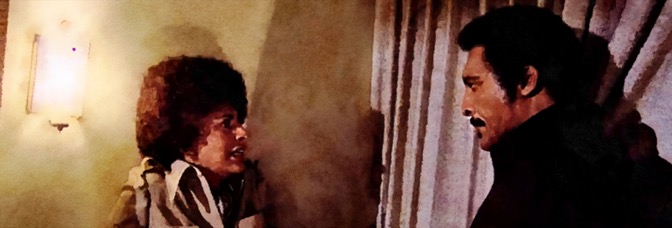
Scream Blacula Scream has a dreadful moment during a crucial sequence, and even though the film takes the hit, it somehow can build up almost enough goodwill—in mere seconds—it could easily succeed. The ending’s a little too confused, though, with a very questionable end credits song and design. But the film’s excellent throughout, surviving a…
-

Blacula gets by on novelty and hero Thalmus Rasulala’s effortless charm. Rasulala is a medical examiner with the LAPD; the movie’s got a hilariously silly name for the job and department; it just means he gets to go around and flash an ID card and get things done. He’s also the only Black cop in…
-
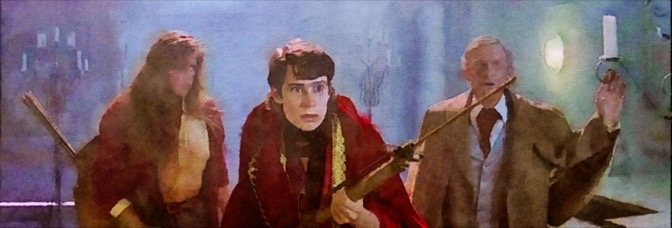
At first glance, it appears Fright Night Part 2 is the rare example of a film saved by a mullet. Lead William Ragsdale doesn’t have much more onscreen charisma than last time, but with his gloriously juvenile late eighties wavy mullet, his lack of appeal becomes charming. Or it may be another thing director Wallace…
-
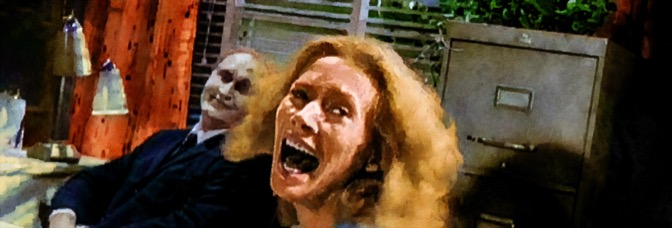
Carnival of Souls is another film in the “way too literal ending” genre. After seventy-five minutes (of seventy-eight) recounting its protagonist’s bewildering, terrifying experiences, the finish is a big wink and shrug. Though there’s a seemingly unintentional casting gaffe to tie the disparate narratives together. Unfortunately, that low-budget coincidence doesn’t add anything to the ending.…
-

From Dusk Till Dawn doesn’t have any great performances; it has a bunch of decent ones, a couple good ones, thankless ones, middling ones, bad ones, maybe problematic ones, but no great ones. And it could use a great performance because the script’s full of scenery-chewing dialogue courtesy second-billed Quentin Tarantino. Tarantino writes a movie…
-
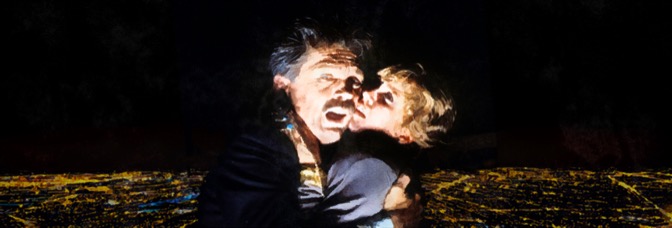
Poltergeist III is about as thrilling as watching someone wash a window. Literally. Outside ostensible protagonist Heather O’Rourke and special guest star Zelda Rubinstein, no one from the previous films returns. The film opens with O’Rourke living in Chicago with aunt Nancy Allen, a yuppie recently married to Tom Skerritt, presumably a widower with a…
-
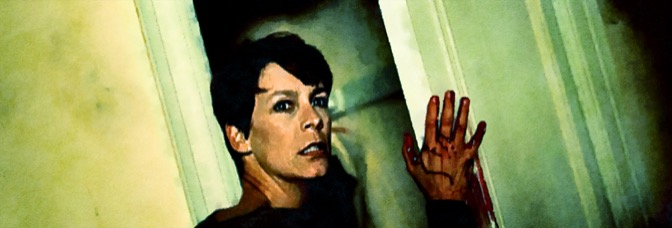
Halloween H20 is an impressively short motion picture. It’s got an eighty-six-minute runtime, but the end credits run four minutes plus. The opening titles run three minutes, plus the cold open teaser runs ten. So the main action barely runs seventy minutes, thirty minutes of story, forty minutes of slasher suspense. It’s been twenty years…
-
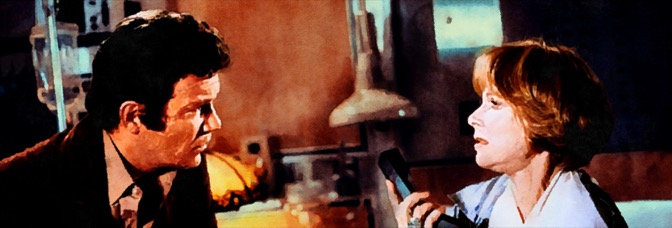
At the beginning, Visiting Hours pretends it will be about network news commentator Lee Grant. Despite being openly Canadian, the film also pretends it takes place in Washington D.C., based on the hate mail responses protagonist Michael Ironside frames on his wall. They never specify, so maybe he did write Grant when she worked in…
-

Oh, no, Scream 4 is Wes Craven’s last movie. At multiple times throughout, I remember thinking, “at least this isn’t Wes Craven’s last movie.” Not sure what I thought his last movie would have been, but I didn’t really think it would be this mess of a too-late sequel. Though I guess I’m curious if…
-
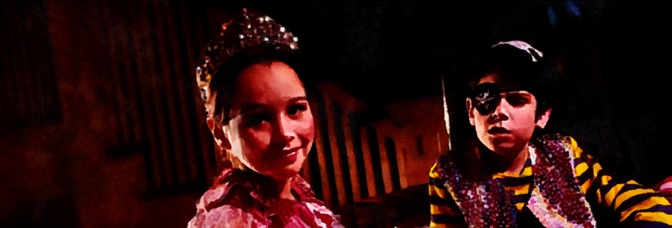
What is it with Halloween sequels and hospitals? This time it’s Danielle Harris spending most of the movie in the hospital. Sure, it’s officially a children’s clinic and appears to be shot in a converted house, but it’s still a Halloween movie where the lead damsel in distress is in a hospital bed. The plot…
-

Halloween Kills is a fascinating sequel. It’s a terrible movie—though probably better than the previous one just because there’s so much less Jamie Lee Curtis, so you’re not watching her embarrass herself the entire time (though she’s got some really embarrassing moments). But given it’s the ninth Halloween sequel and the second remake of Halloween…
-
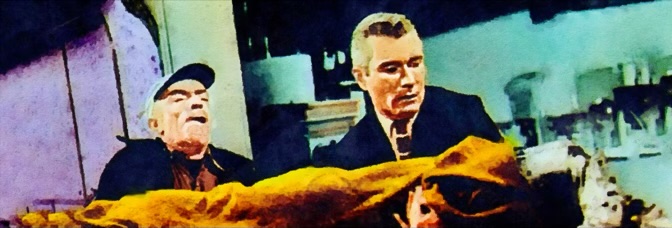
Frankenstein’s Daughter ought to be good camp. If the rest of the movie could keep up with Donald Murphy (as Doctor “Frank”), it’d be something to behold. Because Murphy gives it his all opening to close, seemingly more aware of the picture than the picture’s aware of itself. Though he’s never quite good—he’s better than…
-

It Follows is a monster movie. Somewhere in the second half of the film, the monster starts acting with more malice towards its targets, like it’s frustrated it hasn’t been able to kill them yet. Given it’s an invisible sex monster—or, I guess, possibly an invisible sex demon—there’s a particular energy to it. There’s always…
-

The extended director’s cut of The Exorcist runs ten minutes longer than the theatrical version. The last time I saw the theatrical, I thought the movie needed some more time to figure itself out. Turns out I was wrong. The ten extra minutes just make it sort of tiresome. Like, the third act of the…
-

I spent much of Flatliners’s first half trying to figure out if there was anything technically redeeming about Jan de Bont’s photography. While it’s easy to qualify certain failings—with Schumacher’s bad directing, with Eugenio Zanetti’s obnoxiously ostentatious production design, could de Bont actually shoot it well? No, he couldn’t. But it also doesn’t somehow excuse…
-
Despite not watching the horror franchises of the eighties while growing up in the eighties, I was familiar enough with them to know most franchises—so long as they started with an A list cast—had a generally well-received first installment before going to heck. And I knew The Amityville Horror was an exception; no one thought…
-

Despite Dana Andrews and Peggy Cummins being perfectly serviceable leads, Night of the Demon never really comes to life without antagonist Niall MacGinnis around. MacGinnis is a Satanic cult leader who conjures forth demons from Hell—hence the title—to deal with his enemies and—while he never explicitly confesses to his enemies… he takes a delight in…
-
Most of The Bay is tolerably tedious and mediocre. Levinson’s doing a found footage documentary—he may also provide the voice of filmmaker—about a bunch of sea cockroaches eating its way through a little Maryland town. It plays like a combination low rent Michael Crichton adaptation—the action skips to various government agencies and their internal camera…
-
The Invisible Man is surprisingly okay. I mean, once you realize it’s just going to be lead Elisabeth Moss in constant terror of an invisible abusive partner lashing out at her and Moss is good at being terrified for long periods, it seems like a bit of a gimme, but until the middle of the…
-
As Above, So Below is a combination of a Goonies rip-off, a Tomb Raider rip-off, an Indiana Jones spin-off (which might just be the Tomb Raider rip-off), and, I don’t know, either Blair Witch or every other found footage horror movie where the third act just decides it’s time for image overload in lieu of…
 The Stop Button