Category: Drama
-
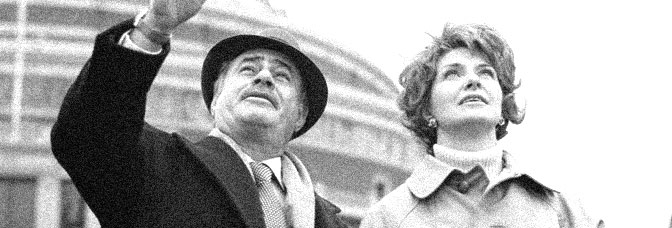
What is this film and how have I never heard of it. Summer Wishes, Winter Dreams is somewhat indescribable in terms of plot. I mean, it obviously isn’t indescribable–I could list the scenes (there are about fifteen in the film, which means it averages a scene every six minutes and that calculation sounds about right)…
-

Hopefully, Lions for Lambs will be the most topical film ever made. Hopefully. In fifteen years, hopefully it won’t make any sense. It probably will. As a dramatic narrative, it’s pretty limp. Most of the scenes with the big three are dialogue scenes, written by someone not incompetent but without much gift for it. It’s…
-
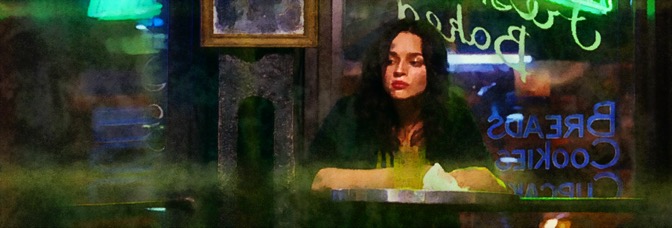
I wonder what the reaction to My Blueberry Nights would have been if it were Wong Kar-wai’s first film instead of just his first English language film. Everything I’ve seen in way of critical reaction is polite, when it really ought to be anything but. My Blueberry Nights suggests a filmmaker for sale–nothing in Wong’s…
-

Despite its title, The Loneliness of the Long Distance Runner doesn’t really concern itself with loneliness and the only long distance running is secondary in the narrative. The film’s really something of a social piece, made rather conspicuous in the third act, with the comparison between the public school and the reform school. That moment,…
-

Greystoke ought to work. From the opening, it really seems like it might. It survives a massive narrative hiccup–switching perspective from young Tarzan to explorer Ian Holm. It establishes people in ape costumes as believable, sympathetic, feeling characters. It’s got beautiful cinematography, Hugh Hudson’s a fine director, and John Scott’s got one great score for…
-
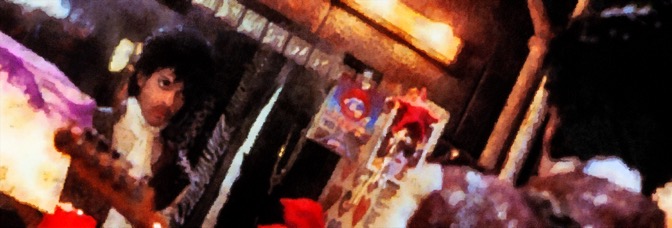
I’m glad I’m not the only one who observed the pervasive misogyny in Purple Rain. Apparently, it’s a well-known feature of the movie. It’s constant from the start and frequently surprising in its intensity. At some point, that frequency wears down any reaction–the only intensifies over the running time. By the end, it’s worn the…
-
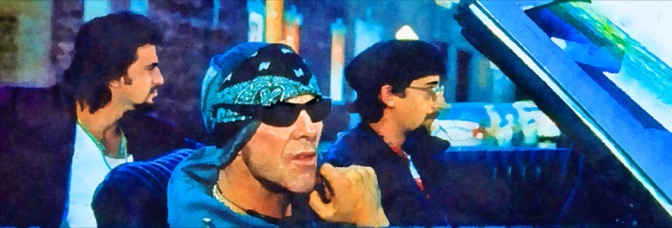
The tragedy of Mickey Rourke is not his failed mainstream career. Rather, it’s how he’s never been able to get any filmmakers of note involved in his vanity projects. Bullet‘s an incredibly ambitious, sensitive film… or, with the right production team, it would have been. What remains hints at what could have been–the film’s a…
-
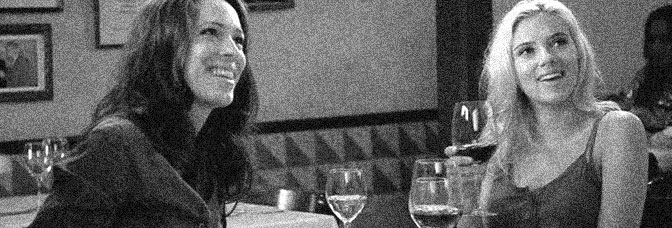
Vicky Cristina Barcelona feels like old Woody Allen. The defining characteristic implying a throwback is the narration… which actually isn’t a throwback to old Woody Allen, but to Jules and Jim or Two English Girls. The film could practically be called Two American Girls, but I think then it’d be a little obvious. The only…
-
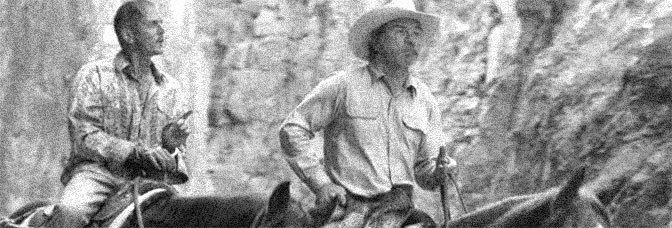
People really started noticing Tommy Lee Jones fifteen years ago, with The Fugitive. He was recognizable, given his long career to that point, but it was after The Fugitive, people started talking. Since then, Jones has done some good work and some bad work. He’s not usually bad in that bad work, but come on……
-
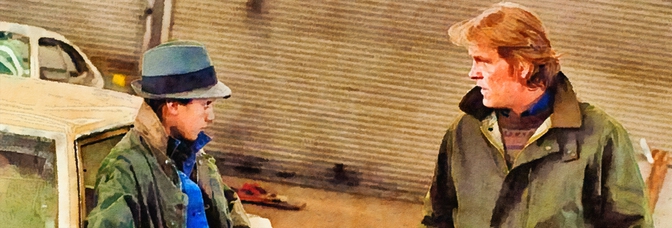
It must have been Bette Midler’s former manager, Aaron Russo (Teachers‘s producer), who somehow confused Arthur Hiller as the creative force behind The Hospital. Teachers is very much like The Hospital, but in its stoic protagonist, the stoic protagonist’s ultimate choice in the end, and the strange hijinks. However, as is clearly evidenced by JoBeth…
-
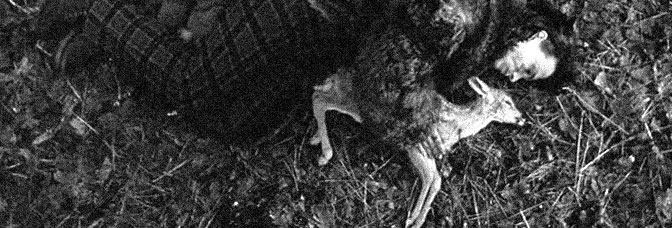
Dead Man is not a strange film. I haven’t seen it in ten years and I’ve probably seen the majority of the Westerns I’ve seen in that interim. So the opening, as Johnny Depp watches the familiar Western trappings pass from a train window, probably didn’t resonate on my last viewing. What Jarmusch doesn’t get…
-
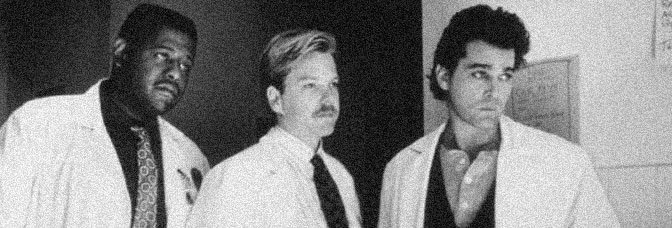
Director of not one, not two, but three 1980s John Hughes movies, Howard Deutch applies those hard-earned skills to remaking M*A*S*H and, shockingly, doesn’t do too bad of a job. Sure, Article 99 is absurd and Lea Thompson as a doctor is a hoot, but its well-intentioned and sensitive to its characters. I’d heard of…
-

August clocks in, with end credits, at eighty-four minutes. I didn’t know the running time going in, so I wasn’t thinking about it. I would have guessed, just based on the perceptive passage, around two hours. My wife, not being a fan, probably would say three and a half. Doing a good movie in ninety…
-

Besides opening with that long, awkward and confusing title, Butterfly on a Wheel opens a lot like a 1980s thriller would. Robert Duncan’s score is quite effective throughout the film, but during the opening titles–knowing very little about the movie–I think I got a little more hopeful than I should have. Butterfly takes place over…
-
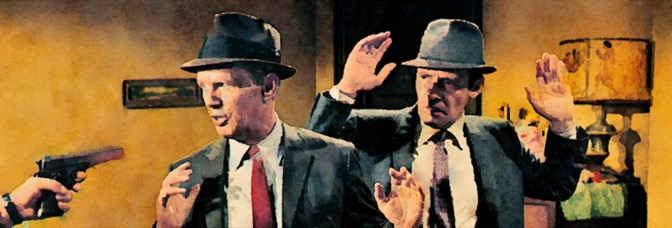
Madigan ends really well, deceptively well, but the whole film is rather well-written. The problems are plot and production related. I suppose there’s some problems with unbelievable character relationships too–for example, Richard Widmark’s workaholic cop and Inger Stevens’s would-be social climber are never a credible couple. There’s also a big problem with the brief implication…
-
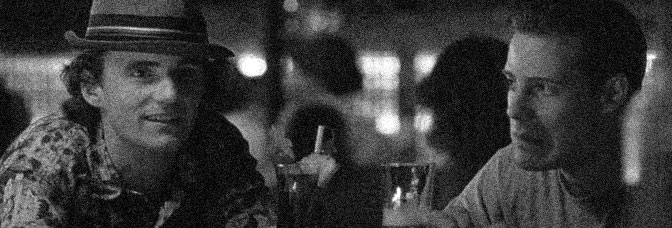
I’d forgotten grown men used to wear cut-off, midriff-revealing shirts. Adrian Pasdar does in the final scene of Vital Signs. It’s horrifying. Pasdar also bulks up throughout the picture, maybe for his shirtless scenes in the late second act, or for that closing shot. And even though Vital Signs is tripe, another failed studio attempt…
-

Hollywoodland is not a narrative mess. It’d be a far more interesting (and far less boring) two hours if it were. Instead, Paul Bernbaum’s plotting is intentional and considered. Neither Bernbaum nor director Allen Coulter seem to understand the problems with having two protagonists, not having anything to do with each other, juxtaposed for a…
-

I was apprehensive about Redbelt–mostly due to the awkward trailers–but it was totally unfounded. The film’s story, Mamet’s narrative, resists being abbreviated or advertised. It’s all very gradual, very quiet, which each scene building on the one previous. It’s probably Mamet’s finest film as a director, his widescreen composition is wonderful–there’s this one shot where…
-
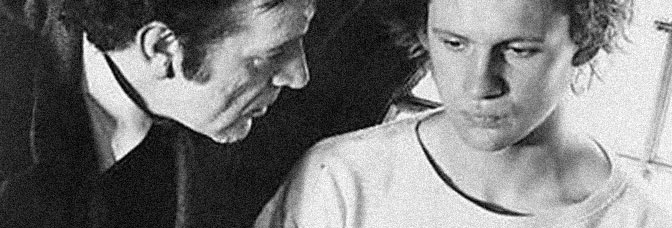
The inevitable unpleasantness in Equus, which is promised from the second or third scene, manages to be more horrifying than I expected. At the beginning of the film, it’s possible to steel oneself for it, but by the end, it becomes a lot more like the sensation of striking one finger against the other. At…
-

Two major things about Soderbergh’s approach to a memoir adaptation. They’re somewhat connected, so I might not manage to separate them out. King of the Hill has no frame, it has no narration. It has no context. It does not feel, at all, like a “true” story because there’s no attempt to classify itself as…
-
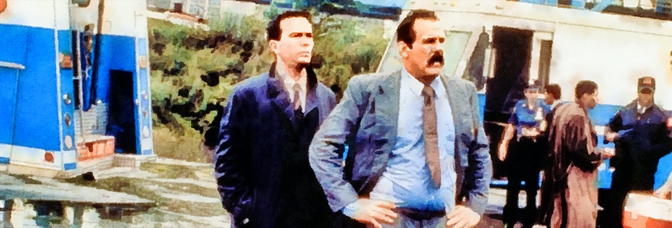
Sidney Lumet’s awkward examination of political corruption and race in New York City hits some bumps it shouldn’t. One of the major problems–because the film, after all the minor problems, only has two major problems–is the ending. Lumet has a perfectly well-intentioned ending, but he doesn’t quite get it. There’s not enough groundwork for it…
-
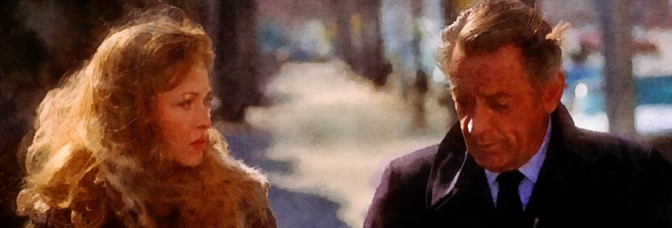
Network lost Oscars. It doesn’t really matter what it lost them to, because the absurdity of the Academy Awards is summed up in that one statement. Network lost Oscars. I’m not sure what shot is Sidney Lumet’s best in the film, because I’m remembering two of them from the last half. These aren’t necessarily the…
-

According to IMDb, it took Howard Franklin ten years to get his script produced. In that time, I wonder if he worked on it, because the finished product does not appear to have been considered. The Public Eye is beyond tedious. The combination of Franklin’s plotless script and Mark Isham’s nap-inducing score make the whole…
-
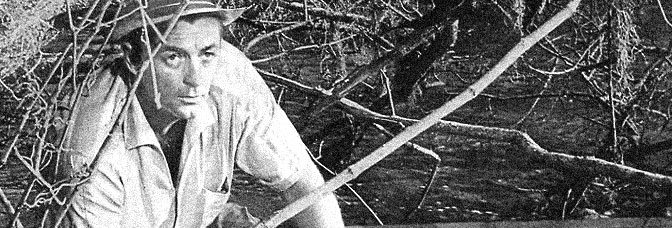
Maybe half of J. Lee Thompson’s shots in Cape Fear are good. Unfortunately, the other half aren’t mediocre, they’re bad. He’s given to iconic shots of Robert Mitchum, some of which make Cape Fear look like stills from an old Universal horror picture, with Mitchum as Frankenstein’s Monster. As a horror film–Mitchum’s Max Cady is…
-

It’s amazing what can be done with cinematography and makeup. In Bugsy, specially lighted and caked with makeup, fifty-something Warren Beatty can play late thirties something Ben Siegel, albeit specially lighted and caked in makeup. The lighting is incredibly distracting, particularly in the scenes where Beatty is the only one getting the attempt at age-defying…
-
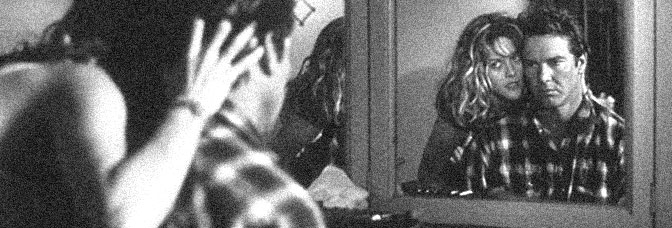
Dennis Quaid’s performance in Flesh and Bone is complicated. The character, the hints the film offers into him, is more complicated, but Quaid’s performance somehow encapsulates all those unknowns without defining them. The film has some really strange touching scenes, as Quaid’s character lets down the wall long enough to express himself. And the anguish…
-

An utterly depressing Mean Streets knock-off–but beautifully directed by Ted Demme, who manages to make it both derivative and affecting–which might not have much potential, but certainly has the cast for it. Even though Denis Leary is over forty as the guy who wants to get out but they keep pulling him back in–and, honesty,…
-

The Natural is a strange one. It’s a cheap success. The story is incredibly simple–you have the golden-haired hero and the evil monster who lives in the dark–and looking for anything more will leave one wanting. Even though the film taps into the baseball mythos, it’s superficial. The Natural is the superhero movie Robert Redford…
-

Movies with lots of conversation–made up primarily of conversation–used to be rare. Then came Reservoir Dogs and Clerks. While Tarantino and Smith can still make it work, the world now has to suffer through films like London, which appears to be ninety-two minutes of bad dialogue. It’s obvious the dialogue’s going to be terrible from…
-

There’s something about A History of Violence from the first scene, something about the way the titles become part of the motel exterior. It’s a nice long tracking shot from Cronenberg, with a great (small part though) performance from Stephen McHattie. After the opening, Cronenberg spends a lot of time introducing Viggo Mortensen, Maria Bello…
 The Stop Button