Category: Classics
-
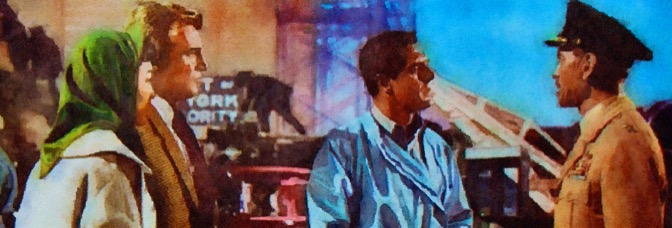
The best directed parts of The Deadly Mantis are when the film is propaganda for the military. Director Juran–and editor Chester W. Schaeffer–show more enthusiasm when putting together those brief expository segments than they do anywhere else in the film. Given it’s about a giant praying mantis thawed out from the Artic who eats people,…
-

The Creature Walks Among Us is a surprising disappointment. It never has potential exactly, but it does have something. Arthur A. Ross’s script is rather good for this production. Right off, Ross has decent science dialogue. His character interactions are good. And then it’s clear the cast is fairly solid too. I mean, sure, they’re…
-

Max Steiner does the music for Caged, which is strange to think about because Caged barely has any music. Director Cromwell instead emphasizes the silence, especially as the film opens. Right after the opening credits, which do have music, Caged gets very quiet. “Silence” reads all the walls in the women’s prison where protagonist Eleanor…
-

House of Dracula is immediately disappointing. The film opens on man of science Onslow Stevens as Dracula (played by a boring John Carradine) comes visiting, hoping for some cure to vampirism. Will Carradine try to seduce Martha O’Driscoll’s fetching nurse? Will something go wrong with Stevens’s cure for Carradine? Unfortunately, yes to both. Director Kenton…
-
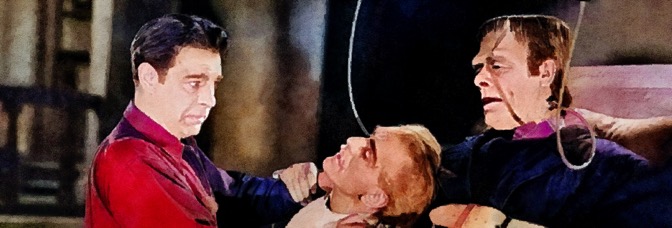
Just over half of House of Frankenstein is glorious. Kenton’s direction is outstanding, the sets are imaginative, the actors are doing great. Beautiful photography from George Robinson. House is a scary movie, what with physically but downright evil Boris Karloff running the proceedings. What doesn’t work–like John Carradine’s “just okay” Dracula–gets smoothed out by unexpected…
-

Son of Frankenstein is a mostly wasted opportunity. For everything good, there’s something significantly wrong with it. The script is good, director Lee doesn’t direct actors well. The German Expressionist-influenced sets are great, Lee shoots it so stagy, the sets go to waste. Lee likes his long shots. He and editor Ted J. Kent do…
-
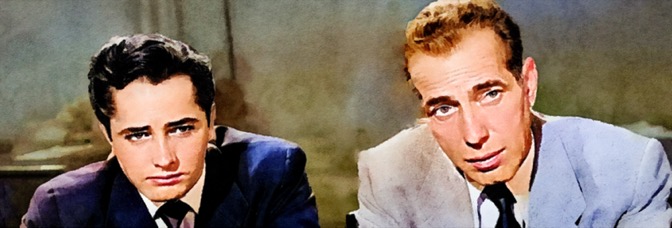
Knock on Any Door opens with Humphrey Bogart, then heads into a lengthy flashback detailing the life of young thug John Derek. Bogart’s his attorney, defending him on a murder rap; Bogart’s opening statement leads to the flashback. It’s a lengthy flashback, introducing not just Derek but Bogart and the assorted Skid Row denizens who…
-
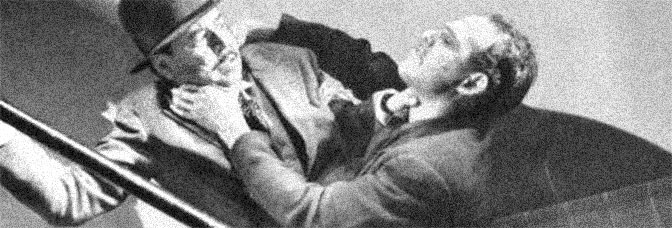
Werewolf of London. He actually does need a tailor, because he’s a gentleman and gentleman dress for the evening. For whatever reason, director Walker seems to spend more time on lead Henry Hull getting dressed while a werewolf than doing much else while a werewolf. There are a couple effects shots in the film involving…
-

Murder, My Sweet takes a peculiar approach to the detective story. Lead Dick Powell graciously lets everyone overshadow him in scenes; he doesn’t exactly fumble his way through his investigation, but he does befuddle his way through it. He’s the audience’s point of entry into the mystery and he’s just as confused as anyone else.…
-

I have a long nostalgic history with The Mole People, which I won’t get into, but there will be tangents. Because The Mole People’s one of the reasons I got into classic film. It’s one of the reasons I prefer watching black and white films for concise intellectual pleasure, usually in run time but sometimes…
-
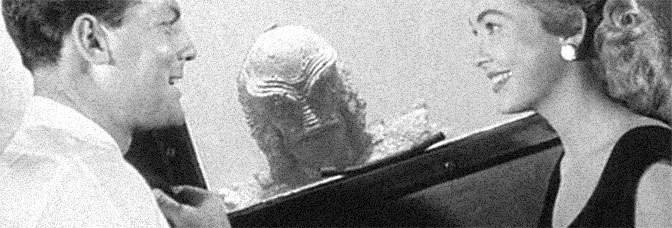
Revenge of the Creature has three parts. The first part involves Nestor Paiva (the only cast member from the original to return) and John Bromfield as the guy who’s going to capture the Creature, the second part involves Bromfield, John Agar and Lori Nelson all studying the Creature in captivity, the third part has Agar…
-

Unfortunately, I feel the need to address some of the behind the scenes aspects of The Magnificent Ambersons. Not because I plan on talking about them, but because director Welles’s career is filled with a lack of control. There are always questions–what did editor Robert Wise do on his own, what did he do with…
-
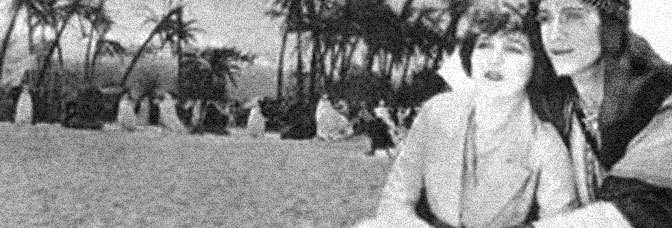
The uncredited editor of The Sheik had a thankless task–during the first act, director Melford is packing in so much expository information all the cuts to introduce new information. The Sheik’s silent, the editing of the first act is always important in a silent film. There needs to be a certain pace, there needs to…
-

D.O.A. is a wonderful example of a gimmick having nowhere to go. Edmond O’Brien is a small town accountant who decides to spend a week in San Francisco drinking and carousing (leaving girlfriend and secretary Pamela Britton back home). Out of the blue, he gets poisoned and has to solve his own murder. His investigation…
-

Penthouse is a lean mystery masquerading as a class melodrama. Most of that class melodrama stuff comes at the front–and is only really ever alluded to later–making the film front-heavy. Unfortunately, so much time goes towards the melodrama, the mystery suffers. Luckily, there’s a whole bunch of charm–from the cast, from the script, from director…
-

There’s something off with Meet John Doe. Director Capra can’t find a tone for the film, but he also can’t find a pace for it. He tries to find the tone, over and over, usually with excellently directed sequences, but he just throws up his hands as far as finding the pace. If Robert Riskin’s…
-
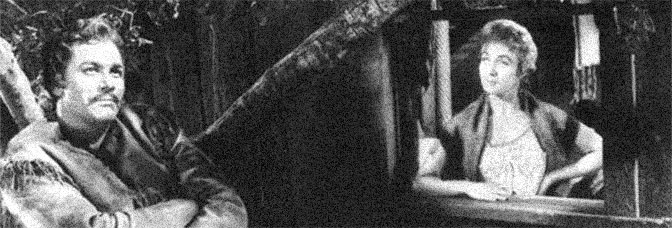
Seven Brides for Seven Brothers is a lot of fun. The songs are always pretty good, with some standouts and the dance numbers are fantastic (ditto the choreographed fight sequences–director Donen and cinematographer George J. Folsey shoot it all beautifully), and the cast is likable. But there’s not much ambition for the film. Based on…
-

Laura is a film with multiple twists and a brilliant screenplay by Jay Dratler, Samuel Hoffenstein and Elizabeth Reinhardt but none of it would work without Preminger’s direction of his cast. Preminger’s direction, in terms of composition, is fantastic. Thanks in no small part to cinematographer Joseph LaShelle, every moment of Laura looks wonderful. Preminger…
-

The Flame and the Arrow is an unfortunate effort. Most of the fault is Waldo Salt’s strangely tone-deaf screenplay. There’s narrative rhyme and reason, but none of it takes the actual resulting film into account–characters played by actors with no chemistry get thrown together. Director Tourneur doesn’t seem suited for the material. It’s a big…
-
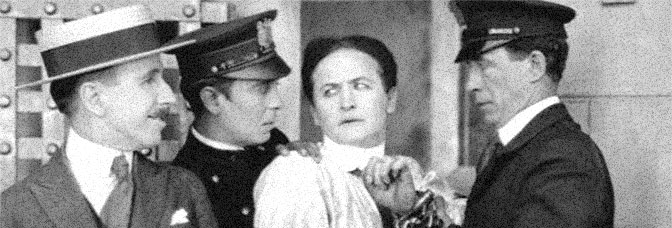
Some of The Grim Game is spent on Harry Houdini’s illusions. The film puts Houdini, playing a reporter, in various tight spots where he has to escape from one thing or another. By the third act of the film, Houdini’s escapes aren’t even the focus–though there is a fantastic mid-air plane sequence. The plot gets…
-
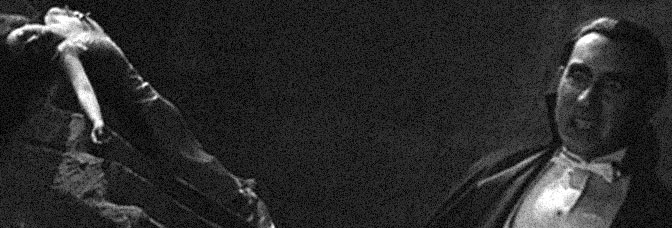
A lot of Drácula’s hundred minute runtime is spent with Eduardo Arozamena talking really slow to José Soriano Viosca and Barry Norton. Arozamena’s Professor Van Helsing (so nice to have such a familiar “brand” you can just talk about the characters and assume some passing familiarity) and Viosca and Norton are the guys who need…
-
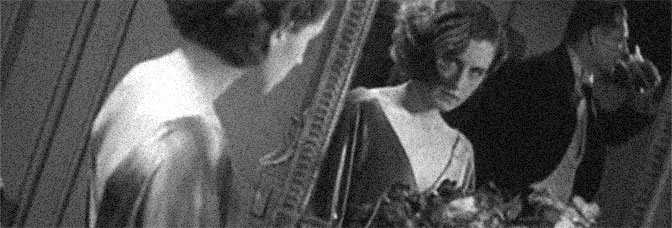
The first hour of A Free Soul is this extremely engaging, if occasionally melodramatic, story about Norma Shearer and Lionel Barrymore. They’re rebellious blue bloods–Barrymore’s Shearer’s father and he’s raised her to be an independent woman. He’s a defense attorney and a drunk. She’s his ambassador to their disapproving relations. She takes up with mobster…
-
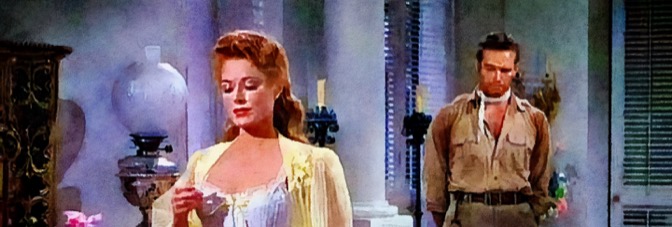
If there are faults with The Naked Jungle, ones not the result of having to follow the Hays Code–which the film skirts thanks to Ben Maddow and Ranald MacDougall’s excellent dialogue, Eleanor Parker’s fantastic, intelligent performance and Charlton Heston’s brute force approach–they fall on director Haskin. The film is well-directed with Parker and Heston’s character…
-
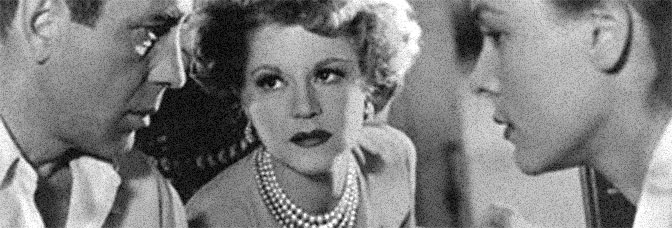
Key Largo is a grand affair. Humphrey Bogart versus Edward G. Robinson with Lauren Bacall and Claire Trevor in the wings. Not to mention Lionel Barrymore. The film plays beautifully. Director Huston and co-screenwriter Richard Brooks give Bogart and Bacall some lovely, ever so gentle; Bogart’s a vet, Bacall’s the widow of one of his…
-
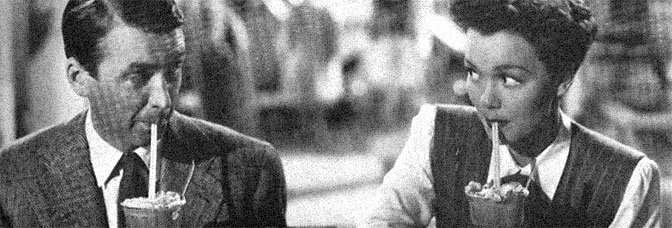
Magic Town is too much of one thing, not enough of another, but also not enough of the first and too much of the latter. There’s a disconnect between Wellman’s direction and Robert Riskin’s script. While Wellman can handle the broad humor of the script–there isn’t much of it and it stands out like a…
-

Anastasia manages that fine line between being dramatic and a constant delight. Ingrid Bergman’s performance is magnificent, with Arthur Laurents’s screenplay–and Litvak’s direction of her–never quite letting the viewer in. It’s a mystery after all–is Bergman’s Anastasia really the last Romanov. Laurents and Litvak construct a narrative where that question doesn’t matter anywhere near as…
-

The Man Who Came to Dinner is, a little too obviously, an adaptation of a play. There are occasional moments outside the main setting–the home of Grant Mitchell and Billie Burke–but director Keighley doesn’t do anything with them. All involve Richard Travis’s character, which suggests maybe his subplot (local reporter in the center of a…
-
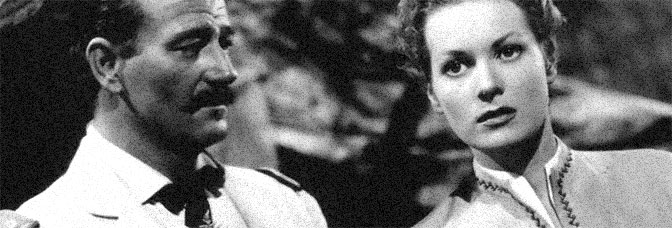
Rio Grande doesn’t have much going for it. The best performance is probably Ben Johnson, who isn’t even very good, he’s just not as bad as everyone else. Harry Carey Jr. and Victor McLaglen aren’t good, but they’re likable. Carey’s performance is just weak, while McLaglen gets saddled with the silly, comic relief role of…
-

Grand Hotel opens with an expository sequence–director Goulding cuts between each of the film’s major players as they talk in the hotel’s telephone booths. It’s a brief, fantastic sequence, thanks to Goulding’s direction and William H. Daniels’s photography, but most importantly, Blanche Sewell’s editing. The editing of this sequence brings the viewer into the hotel,…
-
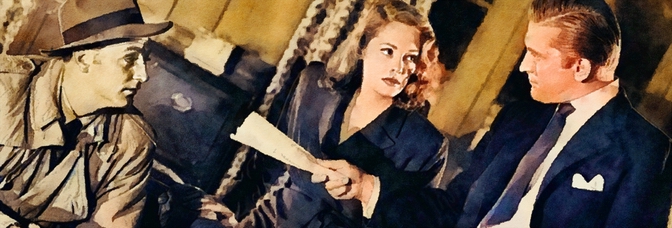
Out of the Past always has at least two things going on at once. Not just the double crossings, which is so prevalent lead Robert Mitchum even taunts the bad guys with it, but how the film itself works. Daniel Mainwaring’s script–which gives Mitchum this lengthy narration over a flashback sequence–gives the impression of telling…
 The Stop Button