The Stop Button
blogging by Andrew Wickliffe
Category: Directed by Don Siegel
-
The Lineup is a spin-off of a TV series, an adaptation of a radio show. What is the difference between spin-off and adaptation? The movie has some of the same actors as the TV show, while the radio show didn’t share stars with the TV series. The movie came out before the series was even…
-

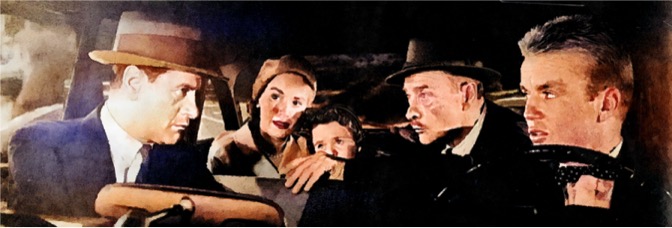
The longest continuous stretch of Invasion of the Body Snatchers is about fifteen minutes (the film runs eighty). Small California city doctor Kevin McCarthy and his long-lost lady friend Dana Wynter have just spent the night holed up in his office, hiding from their neighbors, who have all been replaced by “pod people.” The pods…
-

Dirty Harry only has one significant problem. It has a bunch of little problems, but it gets past those–sometimes manipulatively, sometimes just nimbly thanks to director Siegel and star Clint Eastwood–but the big one. It can’t overcome the third act. Villain Andy Robinson (I can’t forget to talk about him) has kidnapped a bunch of…
-
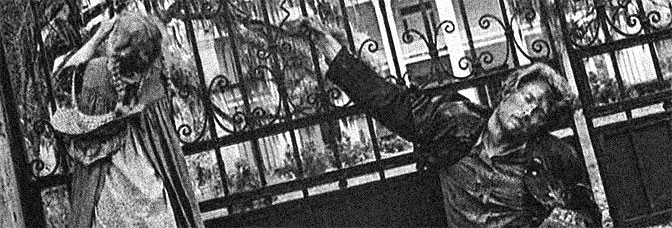
While The Beguiled is a thriller, the film keeps the thrills exceptionally grounded. The film’s set during the Civil War, with wounded Yankee sniper Clint Eastwood taking refuge at a girls school in Confederate territory. The school is quite literally set aside from the war. The war is outside the gates and everyone wants to…
-
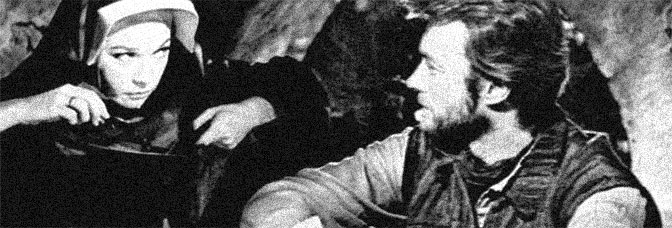
Two Mules for Sister Sara opens playfully. Then it gets serious. Then it gets playful. Then it gets serious. Then it gets playful. Director Siegel never lets it keep one tone for too long, not until the end, when he shows what happens when you take it all too seriously. After a hundred minutes of…
-

Don Siegel can compose no matter what ratio, so his shots in The Self-Improvement of Salvadore Ross are all fine. There’s a lack of coverage and the edits are occasionally off, but it’s a TV show (an episode of “The Twilight Zone”); it’s expected. And Siegel does get in the occasional fantastic shot. He’s got…
-

Star in the Night opens with cowboys, but it’s not a cowboy story. It’s a nativity told at a roadside motel. The dialogue for the cowboys is so bad, one has to wonder if they’re just cowboy impersonators and that detail got cut. The film proper begins when J. Carrol Naish meets up with angel-in-disguise…
-
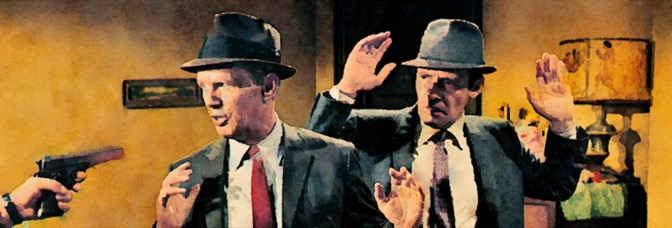
Madigan ends really well, deceptively well, but the whole film is rather well-written. The problems are plot and production related. I suppose there’s some problems with unbelievable character relationships too–for example, Richard Widmark’s workaholic cop and Inger Stevens’s would-be social climber are never a credible couple. There’s also a big problem with the brief implication…
-

It took me a second to remember what the ominous theme in Count the Hours reminded me of—Plan 9 from Outer Space. Count the Hours seems like it was done on the cheap, something about the first half’s composition suggests Siegel had to be real careful with what he got in (or kept out of)…
-

The Black Windmill features Michael Caine and John Vernon shooting it out with Uzis. I’m sorry, I’m wrong. They’re shooting it out with MAC-10s. It’s an absurdity worthy of Siegel’s directorial protege Clint Eastwood–actually, Eastwood might have been paying homage to Siegel’s choice of lunacy here in Blood Work (when the serial killer happened to…
-

Walter Matthau hated Charley Varrick. He must have been stuck in a contract or something. It’s understandable why he did, however. Matthau’s whole image is one of the likable curmudgeons. Varrick casts him as a gum-chewing (for that Matthau effect) bank robber… who doesn’t do it because he needs the money, but because crop dusting…
-
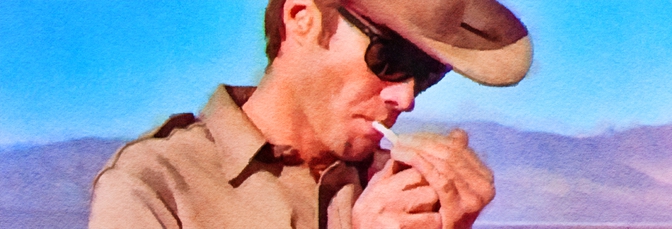
Arizona sheriff’s deputy Clint Eastwood goes to New York in pursuit of fugitive Don Stroud; his macho demeanor causes friction with New York cop Lee J. Cobb as well as sizzles with probation officer Susan Clark. More a character study than an action/thriller, though the Hollywood hippies stuff doesn’t age well. Nice performances from Eastwood…
 The Stop Button