Category: Directed by Sidney Lumet
-
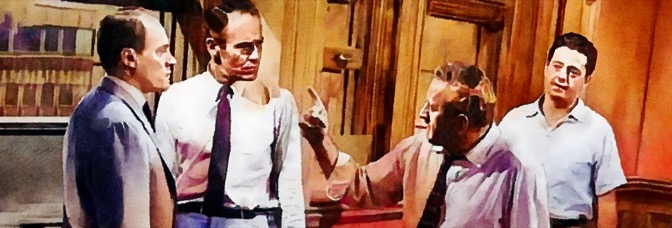
Director Lumet wrote at length about his compositional decisions for 12 Angry Men in his book about filmmaking, aptly titled Making Movies. The camera starts up high, looking down at the jury room and its jurors, then gradually moves down and in; by the third act, it’s in tight, low-angle close-ups. It’s beautiful, sublime work…
-
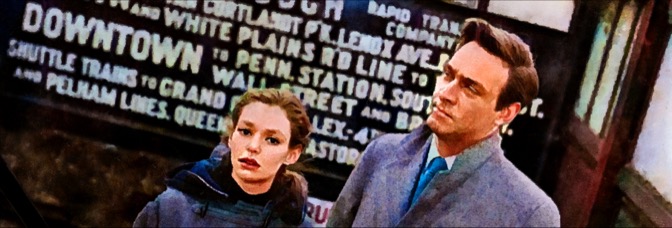
Conservatively, Stage Struck has six endings. They start about fifty-eight minutes into the film, which runs ninety-five minutes. Actually, wait, there are probably—conservatively—seven. I forgot how many there are mid-third act before the actual (ending-laden) finale. For a while, the false endings add to the film’s charm. Maybe if the third act hadn’t reduced lead…
-
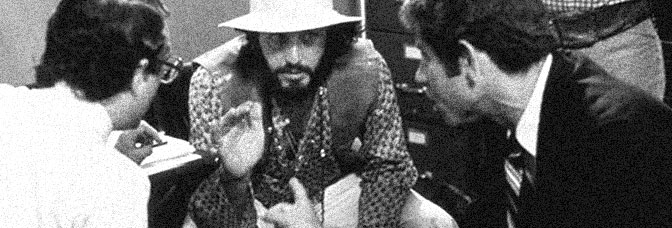
There’s a strange disconnect between director Lumet and actor Al Pacino on Serpico. The film, at least in how Pacino plays it, is a character study. Yes, it’s a character study of someone in a great deal of transition–Pacino’s cop, over twelve rather poorly paced years, goes from idealism to resignation at the corruption he…
-
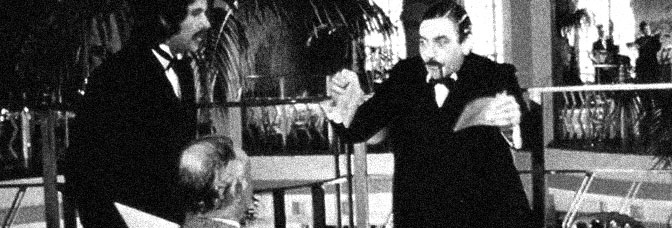
There are two significant problems with Murder on the Orient Express. Unfortunately, both of them are aspects of the film’s genre. Well, one of them is an aspect of the genre and the other is related to the film’s extremely high quality acting. So, neither of them are “problems” in the traditional sense. First, the…
-
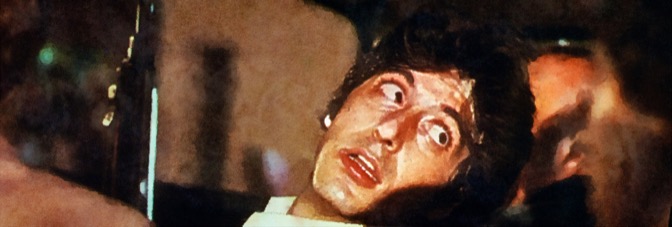
Besides Al Pacino, there are other actors in Dog Day Afternoon. Some of them give fantastic performances too. But, even with those fantastic performances, every time Pacino is alone on screen, whether closeup or not, monologue or not, it feels like there’s no one else in the film besides him. He doesn’t command it or…
-
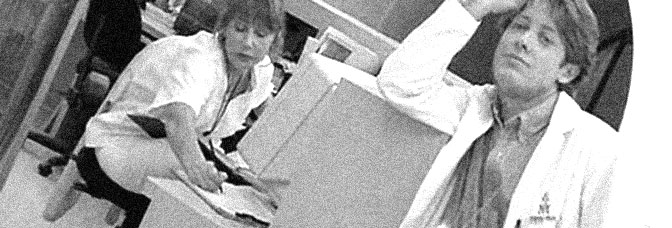
Critical Care opens on its main set–sets are important in Critical Care–with Helen Mirren (as a nurse) checking up on ICU patients. The ICU is a circle, Mirren rounding it by the end of the titles, returning to the station at the center, where James Spader (as a resident) naps during a thirty-six hour shift.…
-
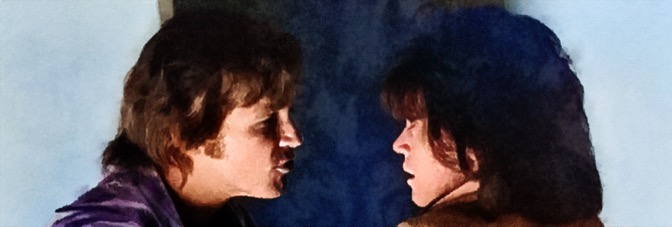
The Morning After is an awkward combination of thriller and adult drama. As a thriller, with Paul Chihara’s enthusiastic and bombastic score, it’s frequently annoying. Jane Fonda can scrub a crime scene of every thread of evidence, but the simple things–like dropping a succeeding lie or leaving all her personal belongings for the police to…
-
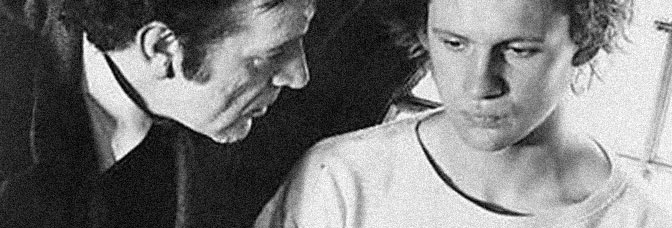
The inevitable unpleasantness in Equus, which is promised from the second or third scene, manages to be more horrifying than I expected. At the beginning of the film, it’s possible to steel oneself for it, but by the end, it becomes a lot more like the sensation of striking one finger against the other. At…
-
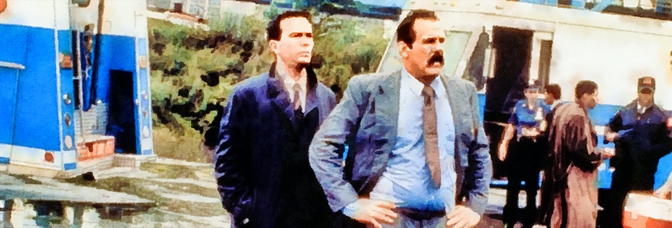
Sidney Lumet’s awkward examination of political corruption and race in New York City hits some bumps it shouldn’t. One of the major problems–because the film, after all the minor problems, only has two major problems–is the ending. Lumet has a perfectly well-intentioned ending, but he doesn’t quite get it. There’s not enough groundwork for it…
-
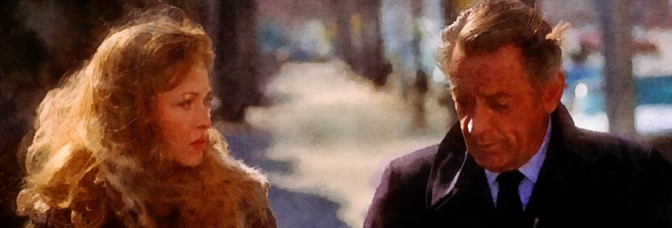
Network lost Oscars. It doesn’t really matter what it lost them to, because the absurdity of the Academy Awards is summed up in that one statement. Network lost Oscars. I’m not sure what shot is Sidney Lumet’s best in the film, because I’m remembering two of them from the last half. These aren’t necessarily the…
-
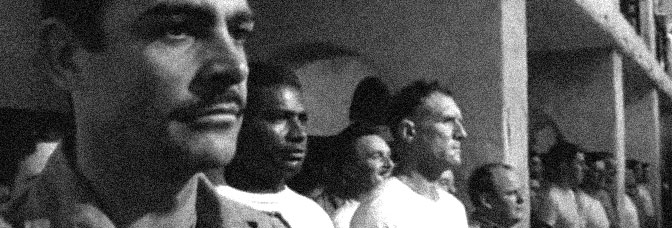
The Hill is quite a few things–Sidney Lumet doing another stage adaptation, almost in real time, a la Twelve Angry Men, a prison drama, a race drama, a military drama, and an example of a decent Sean Connery performance (not a particularly good one, but a decent one). It’s incredibly contrived–desert British prison camp in…
 The Stop Button