Category: Directed by Stanley Kubrick
-
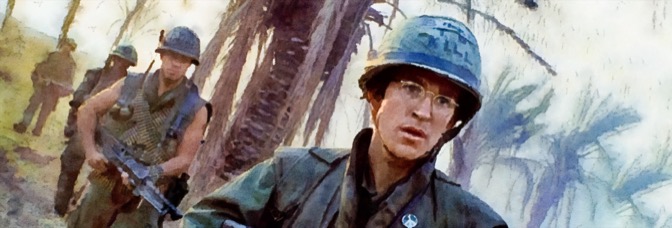
Full Metal Jacket is a film of big swings. Director and co-writer Kubrick hits them all. The three most prominent are the structure, the character study, and the whole arc. The structure and arc are different because the film's got two distinct sections. Minutes one to forty-five or so is a "We're in the Marines…
-

The first half of Barry Lyndon, very nicely delineated on screen with a title card and then an intermission, is a black comedy. The second half is a tragedy. The epilogue explicitly reconciles the two, but there’s also Michael Hordern’s narration, which does the most expository work of anything in the picture. For the most…
-

Flying Padre has three types of impressive shots. The first two types involve an airplane. The short is about a New Mexico priest who flies around his 4,000-square mile parish. There are interior and exterior shots of the plane and director Kubrick gets some fantastic shots from inside out. He’s also got some great shots…
-
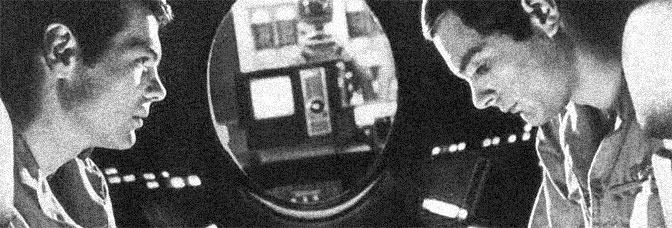
Phenomenal science fiction epic chronicling humanity’s (sometimes unknown) interactions with a mysterious interstellar slab; it shows up at a couple salient historical points. The second, in the title year, kicks off a space exploration mission, which then becomes backdrop to ruminations about the human condition. A technical pinnacle–direction, editing, photography, special effects–and a singular performance…
-
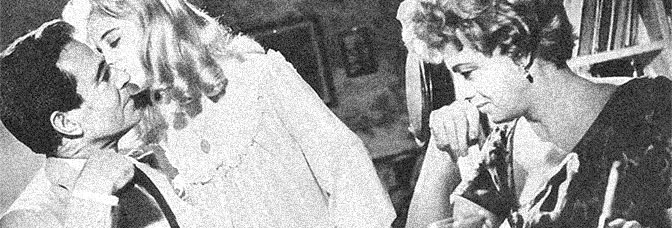
The first half of Lolita is a wonderful mix of acting styles. There’s James Mason’s very measured, very British acting. There’s Shirley Winters’s histrionics; she’s doing Hollywood melodrama on overdrive but director Kubrick (and Winters) have it all under perfect control. And then there’s Sue Lyons as the titular character. She’s far more naturalistic than…
-

Paths of Glory takes place over four days, runs just under ninety minutes and has thirteen or so significant characters. It’s hard to identify the most significant character–Kirk Douglas’s protagonist the viewer’s way into the film, but he’s not the most significant. The film opens with George Macready (who, along with Wayne Morris, is my…
-
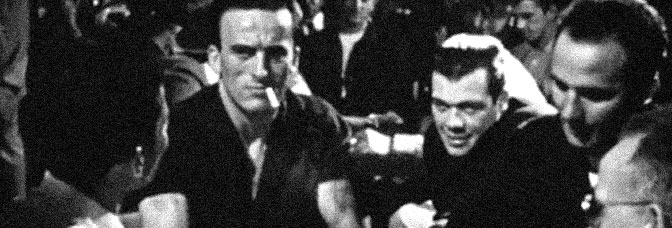
Only half of The Seafarers really feels like Kubrick. While he handled photography and editing on the entire film, the second half moves out of his comfort zone (or interest level). The film’s a promotional for the Seafarers International Union; the second half has most of that promoting. Kubrick stays interested during the first half,…
-
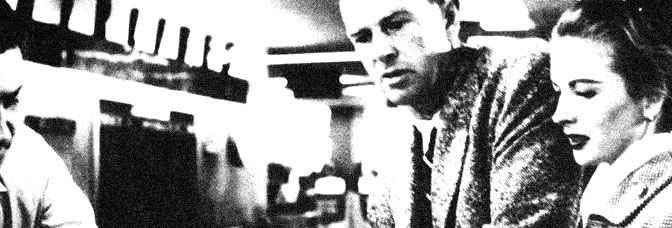
I first saw The Killing when I was in high school. I had a great video store and one of the employees–lots of the employees were film school students–recommended the film to me, raving about Kubrick’s use of fractured narrative. He didn’t call it a fractured narrative, I don’t remember what he called it, maybe…
-
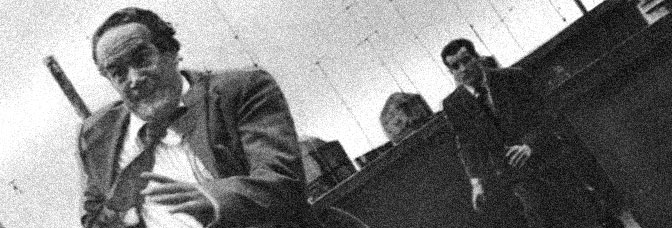
The chase scene in Killer’s Kiss, which occupies almost the entire third act, is a marvel. From the moment Jamie Smith jumps out the window and hits the pavement, the film leaps beyond the potential Kubrick has instilled it with until that point. Before, there’s a lot of great low budget filmmaking, there’s a lot…
-
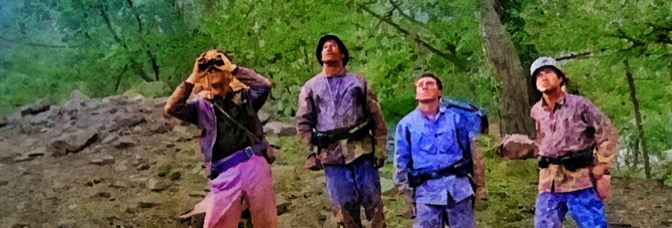
Fear and Desire‘s a mess to be sure, but it’s hard to understand why Kubrick later strove to have it willfully forgotten. The film’s greatest faults–the script and the acting–pale when compared to Kubrick’s success as a director and editor. He described the film as amateurish and that adjective certainly does describe the script well…
 The Stop Button