The Stop Button
blogging by Andrew Wickliffe
Category: Directed by Clint Eastwood
-
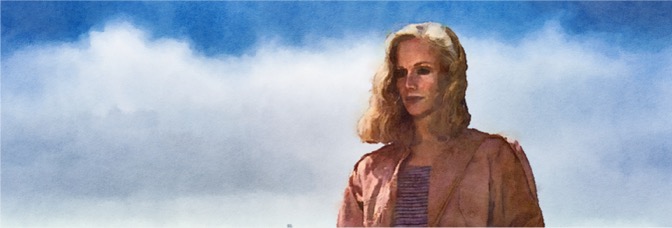
At least a third of Sudden Impact is director, producer, and star Eastwood doing a Hitchcock homage starring Sondra Locke. Locke doesn’t speak during the Hitchcock homage sequences; she just walks silently, staring at various things, remembering her horrific origin story, then shooting some rapist in the balls and then the head. Now, Sudden Impact…
-
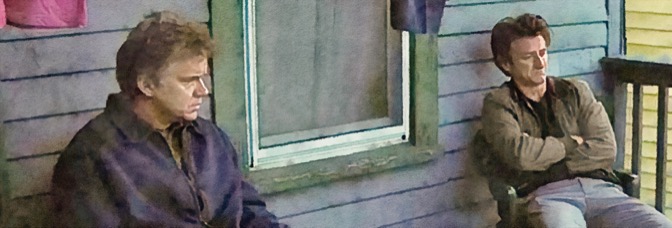
Mystic River is at all times a very American tragedy. Eastwood approaches it as such, both as director and composer (it’s Aaron Copland levels of romanticized, you eventually just have to go with it because Eastwood’s committed). But it’s also really just MacBeth in Bah-ston. A very, very cynical one. There’s not a single moment…
-
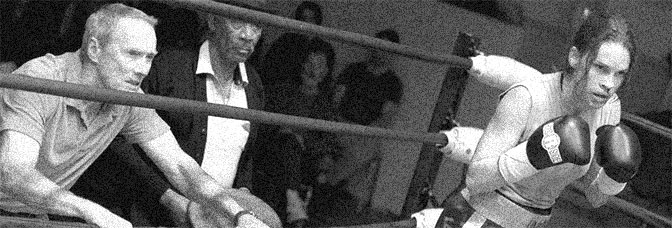
Million Dollar Baby has a somewhat significant plot twist. Well, it actually has a couple of them. And neither comes with much foreshadowing. A little in Paul Haggis’s script, which director Eastwood visualizes appropriately, but they’re in the background. The film has its larger than life story to worry about–Clint Eastwood as a stogy old…
-

The Bridges of Madison County is many things, but it’s definitely an adaptation of a best-selling novel. Thanks to director Eastwood, it’s not a cheap adaptation of a best-selling novel, but it’s still an adaptation. There’s still a frame. No matter how much Eastwood deglamorizes it, no matter how well Richard LaGravenese writes most of…
-

Absolute Power has a number of narrative issues. Well, less narrative issues and more narrative slights. As the film enters the third act, director Eastwood and screenwriter William Goldman decide the audience has gotten enough out of the movie and it’s time to wrap things up. It’s a shame because the film goes into the…
-
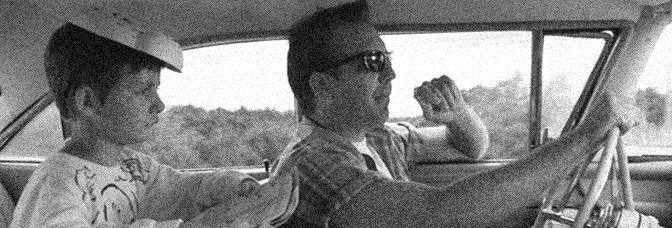
A Perfect World runs almost two hours and twenty minutes (it does with end credits). The last act of the film is a seventeen or so minute showdown in real time. Until that point in the film, John Lee Hancock’s script flirts with occasional sequences in real time, but there’s a lot of summary, a…
-
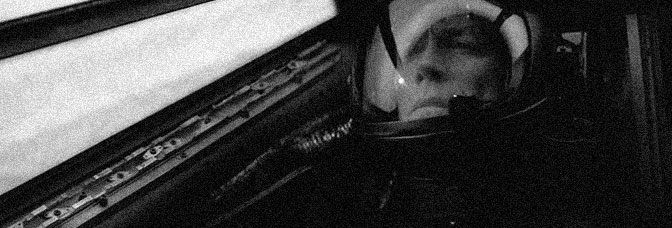
Firefox has three distinct phases. First, there's retired Air Force pilot Clint Eastwood getting recruited into an espionage mission. This part of the film barely takes any time at all–there's three missing months–Eastwood, as the director, does not like montage sequences. Even the opening exposition setting up the movie is cut together quickly; Ron Spang…
-
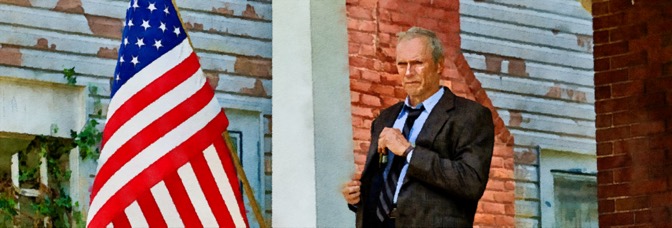
When Bruce Springsteen did his 9/11 response record, The Rising, he was in an odd position–given the gravity of his intent, he couldn’t misstep. He might get excused for it, but then the record would be (albeit well-meaning) propaganda. It wouldn’t be art. Clint Eastwood’s in a similar situation with Gran Torino. He’s dealing with…
-

During the lousiest parts of Changeling–easily identifiable by Jeffrey Donovan’s increased presence–there should be a disclaimer running across the bottom of the screen: “It doesn’t stay this bad… promise.” Changeling is the worst film Clint Eastwood’s made in years. It’s easily the worst of his serious films–afterwards, I realized his last film before this one…
-

I think I watched The Gauntlet for masochistic reasons, namely screenwriters Michael Butler and Dennis Shryack, the late 1970s, early 1980s version of Mark Rosenthal and Lawrence Konner–incompetent Hollywood writers. Even so, the film’s not wholly terrible. It’s rarely exciting, just because the action sequences are so poorly written, and Clint approaches the whole thing…
-

It’d be absurdly obvious to point out Letters from Iwo Jima is an anomaly in Clint Eastwood’s body of work. Outside, well, some Japanese directors in the 1950s and 1960s, it’d probably be an anomaly in anyone’s oeuvre. It reminds me of a dream movie–some movie I watch in a dream and wake up and…
-

When my friend saw Flags of Our Fathers and I asked him about it, he described it–I’m paraphrasing–as an unexciting four. Seeing it, I can fully understand. It’s a great film, but its greatness is somewhat inevitable and uninteresting. Clint’s way too good of a filmmaker at this point to turn in something less, especially…
-
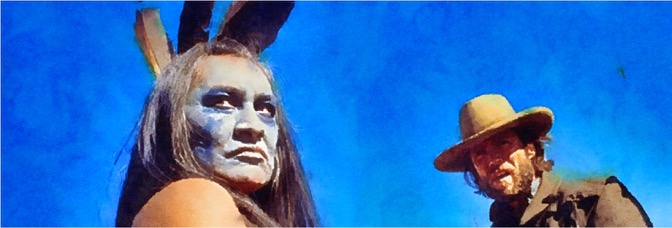
There are a couple kinds of Westerns, once you break it down enough. Ones where people go places, ones where people don’t. The Outlaw Josey Wales is a going places Western. It’s about a man on a trip and what the trip does to the man on the trip. I’ve seen Josey Wales before, probably…
-
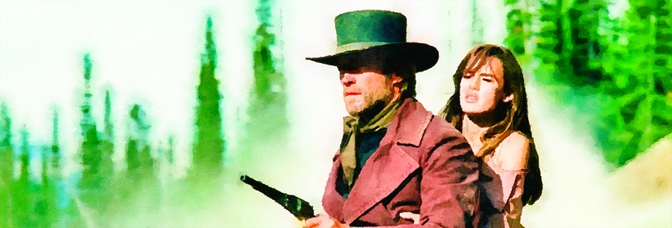
Pale Rider is an interesting Eastwood–while it is a milestone in Eastwood coming together as a filmmaker–it’s also one of the few films where he really offered up so much for another actor to do. The film’s some kind of homage to Shane–as well as a colder, more mountainous version of High Plains Drifter–but Michael…
 The Stop Button